Why Blinkit, Zepto, and Instamart face FDA action in 2026
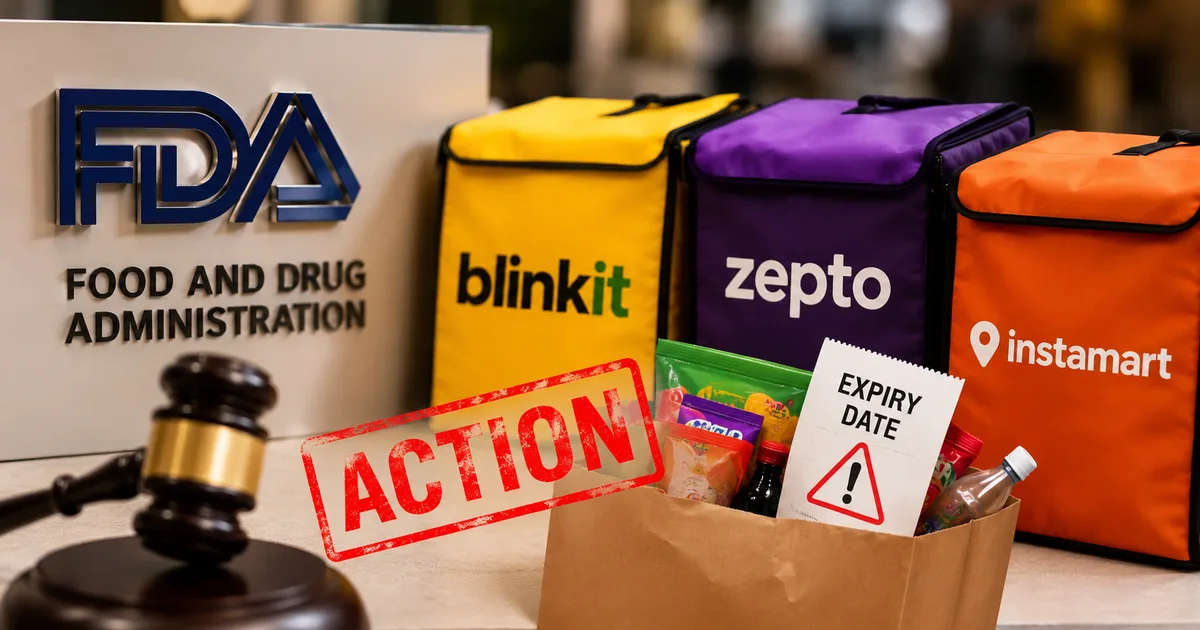
So, the Maharashtra Food and Drug Administration just dropped a massive reality check on our 10-minute grocery habit. If you order from quick commerce apps, you need to read this. The news is that Blinkit, Zepto, and Instamart face FDA action 2026 after state inspectors raided 86 different delivery hubs, or "dark stores" as they call them. And honestly, the details are pretty gross.
We all love the convenience. I order milk and bread on Zepto at least twice a week. But what happens behind those closed shutter doors in your neighborhood is finally getting some regulatory attention. The FDA suspended 14 specific licences across Maharashtra. They didn't just find a little dust. They found cockroaches. They found expired chicken and rodent droppings.
Let that sink in for a second.
I dug into the actual inspection reports from the Maharashtra FDA raids. It's not pretty. The inspectors found food packets lying directly on dirty floors. They discovered rotten vegetables mixed with fresh stock, and they noted heavily rusted storage racks holding everyday grocery items. But the most alarming part is how these places handled meat and dairy.
According to the official findings, these dark stores failed basic food safety 101. They lacked proper segregation for vegetarian and non-vegetarian items. Raw meat was kept right next to cooked food and dairy products (which makes sense, actually, if you assume they just don't care). Honestly, in my experience, keeping raw meat away from dairy is the absolute bare minimum.
The real problem with 10-minute delivery hubs
To understand why this is happening, we need to look at how these companies operate. Quick commerce runs on thin margins and high volume. When a platform promises to get a packet of chips and a bottle of Coke to your door in under ten minutes, they have to maintain small warehouses incredibly close to where you live. These aren't massive climate-controlled supermarkets. They're often cramped basements. Sometimes they're just converted garages crammed into dense urban neighborhoods in Mumbai and Pune.
When you try to stuff 5,000 different products into a 2,000 square foot room, hygiene often takes a back seat to speed. The warehouse workers (called pickers) have about 60 seconds to run around, grab your items, and pack them into a bag. They're heavily penalized for delays. In that chaotic environment, nobody is taking the time to wipe down a dusty can of beans or check if the chicken packet has a tiny hole in it. The setup itself is basically a mess.
And here's the thing about those expired items. The inspectors specifically noted expired chicken sitting in the refrigerators of these hubs. When you buy from a local kirana store, you can physically check the expiry date before handing over your cash or scanning the UPI QR code. On an app, you trust the picker in the dark store to check it for you. But this investigation shows that trust is sometimes misplaced.
The suspension of these 14 licences is a direct warning to the industry. The FDA is clearly sending a message that quick commerce can't bypass basic Indian food safety laws just because they're heavily funded tech startups. These companies process millions of orders daily. And a lot of middle-class Indian families rely on them for their primary groceries. If you ask me, the platforms got too big, too fast.
What this means for your daily grocery orders
You might be wondering if you should delete these apps right now. I'm not saying you need to panic, but you absolutely need to change how you use them. The way we shop online has fundamentally shifted. But our vigilance hasn't kept up.
If you live in Maharashtra, there's a very real chance that the dark store servicing your pin code was part of this FDA sweep. Even if it wasn't shut down, the conditions across these 86 inspected establishments were broadly concerning. The lack of proper segregation between vegetarian and non-vegetarian food is a massive issue for a huge segment of the Indian population.
Think about it. If you're a strict vegetarian, you don't want your paneer stored on the same rusted rack as a leaking packet of raw mutton. Yet that's exactly the kind of disorganized storage the FDA flagged during their surprise visits.
How to protect yourself when using quick delivery apps
First, stop ordering easily spoilable items like fresh chicken or cut fruits from these platforms unless you absolutely have to. Stick to packed goods and sealed staples. The manufacturer packaging provides a solid barrier against whatever is crawling on the warehouse floor.
- Wash all your produce immediately. Do not just put the vegetables straight into your fridge. Soak them in warm water with a pinch of baking soda or salt.
- Check the packaging carefully. Look for bite marks or tiny holes in plastic packets of dal or rice. If you see anything suspicious, request a refund immediately.
- Verify expiry dates the second your delivery arrives. I know it is annoying to check 15 items while the delivery partner waits, but do it anyway, especially for dairy and meat.
- Wipe down cans and tetra packs. If they were sitting on a dirty rack, you do not want that touching your kitchen counters.
If you get spoiled food, don't just complain to their customer support chatbot. You can actually report severe food safety violations directly to the FSSAI through their official portal or app. Most people don't know this, but tech companies take official regulatory complaints much more seriously than Twitter rants.
The business impact of the FDA crackdown
This is a major headache for the quick commerce sector. These companies are burning through cash to acquire customers, and bad press about cockroaches in their warehouses is a PR nightmare. They're expanding rapidly into tier-2 Indian cities, and this Maharashtra FDA action might trigger similar inspections in states like Karnataka and Delhi.
"The inspections were carried out across Maharashtra on Thursday, with 86 establishments involved in the storage, sale and delivery of food through online platforms."
That's a massive sweep. It shows the government is finally catching up to the reality of dark stores. For years, these warehouses operated in a regulatory grey area. They aren't restaurants, but they handle fresh food. They aren't traditional retail stores, because customers never walk inside. Now, the FDA is forcing them to comply with strict storage norms.
I suspect we'll see some changes in the apps soon. They might start promoting their certified clean warehouses, or add more quality check steps that could slightly increase delivery times. Honestly, I'd gladly wait 20 minutes instead of 10 if it means my food wasn't sitting next to raw chicken.
Will prices go up?
Upgrading these dark stores to meet proper FDA standards will cost money. Fixing rusted racks and installing proper segregated commercial refrigeration isn't cheap. Given that most of these platforms already charge a delivery fee and a handling charge, it's very likely they'll pass these new compliance costs down to us.
We've already seen delivery fees creep up from 15 rupees to 35 rupees during peak hours in cities like Mumbai and Bengaluru. If these companies are forced to overhaul their entire storage infrastructure, expect those sketchy platform fees to increase by a few rupees on every order. I'm not sure exactly why it always works this way, but when investors demand profitability, the cost of regulatory compliance always trickles down to the end consumer (annoying, I know).
The unit economics of a 10-minute delivery are already incredibly tight. A delivery boy gets roughly 15 to 20 rupees per drop. The platform makes money by charging brands for visibility and taking a small margin on the MRP. If you add regular pest control and premium refrigeration units into that equation, the math gets very difficult for a 200 rupee order of milk and eggs. The numbers here are a bit fuzzy, but the margins are definitely razor thin.
What happens next for Zepto, Blinkit and Instamart?
The 14 suspended facilities can't resume operations until they fix the issues and clear another round of FDA inspections. But this is just the tip of the iceberg. The Maharashtra FDA has stated that their drive against food safety violations in online platforms will continue.
We're going to see a ripple effect across the country. Health departments in other states are definitely watching this. Delhi and Karnataka represent massive markets for these apps, and they might launch their own investigations before the festival season kicks in later this year.
These companies will likely form a task force and release public statements about their commitment to hygiene. You might even see a new feature on the app showing the hygiene score of your local dark store. But the core problem remains. You can't run a perfectly sterile warehouse when you're optimizing for 60-second packing times in a cramped urban space.
Your rights as a consumer in the quick commerce era
Look, a lot of us feel helpless when a delivery app sends us a bad product. You raise a ticket on the app, the automated bot apologizes, and maybe they refund your 65 rupees into a digital wallet. But that doesn't fix the underlying issue of hygiene.
Under Indian consumer protection laws, you have the right to safe food. This applies whether you bought it from a massive hypermarket or a 10-minute delivery app. The Food Safety and Standards Authority of India (FSSAI) mandates that all food business operators, including online delivery platforms, maintain strict hygiene standards.
If you get a product that is expired or infested with insects, take photos immediately. Document the delivery time and the order number. If the platform refuses to take meaningful action, you can file a grievance on the National Consumer Helpline app or website. You can also tweet at your local FDA or municipal corporation with the evidence.
It's easy to brush off a rotten tomato as bad luck. But when you look at the scale of operations, with millions of orders delivered across India every single day, these isolated incidents add up to a massive public health concern. The Maharashtra FDA action is a wake-up call not just for the companies, but for us as consumers.
We trade our data and our money for the magic of getting groceries delivered before our tea gets cold. We shouldn't have to trade our health for it too. For more updates on how tech companies are navigating Indian regulations, check out our recent explainers. You can also read our news section for daily tech updates, or look through our guides on how to get the most out of your digital services.