Look, we've all been tapping that little lightning button on our phones for years. The Pi Network Binance listing 2026 has been the great white whale of the crypto world. Honestly, I remember my college friends sending me referral links back in 2019 promising we'd all be driving Mercedes by 2021. Well, it's 2026. We're still riding the metro. But things are finally starting to shift.
Binance and Kraken are dropping heavy hints about listing Pi coin. And if you're sitting in India with thousands of Pi coins locked in your app, you probably have questions. How much will it actually be worth in INR? Can you even trade it legally in India right now? Will that endless KYC process ever finish? We need to look at the facts about where Pi stands in August 2026. No hype. Just the reality of the situation.
The big question: what is the Pi coin price prediction in India?
This is what everyone wants to know. Right now, Pi is trading in a weird gray market. Some exchanges list IOUs. That's basically a promise to give you real Pi later when the network opens up. Protocol v25 just went live, and data from CryptoRank shows the PI rally stalled below $0.10 on these derivative markets recently.
So, realistically, what are we looking at for a proper open mainnet launch? The numbers here are a bit fuzzy. Thing is, predicting a price is tricky because we don't know the exact liquid circulating supply yet. If everyone dumps their coins on day one, the price will tank.
But let's look at some sensible numbers. Recent market analysis from CoinDCX puts the initial listing price somewhere between ₹30 and ₹85. That's roughly $0.35 to $1. I know, that sounds low if you were dreaming of Bitcoin prices. But think about it. There are tens of millions of users holding this coin. If it launched at $100, the market cap would break the global economy.
A ₹50 opening price is actually quite healthy. It's sustainable for a utility token. If you're new to how market caps work, you can check out our explainers section. It's basic math. Total coins multiplied by the price equals the market cap. Pi has billions of coins in total supply. The math simply doesn't support a high price per coin right out of the gate.
Understanding the Pi network KYC process in India
Here is where most Indian users get stuck. The KYC process is a nightmare for many people.
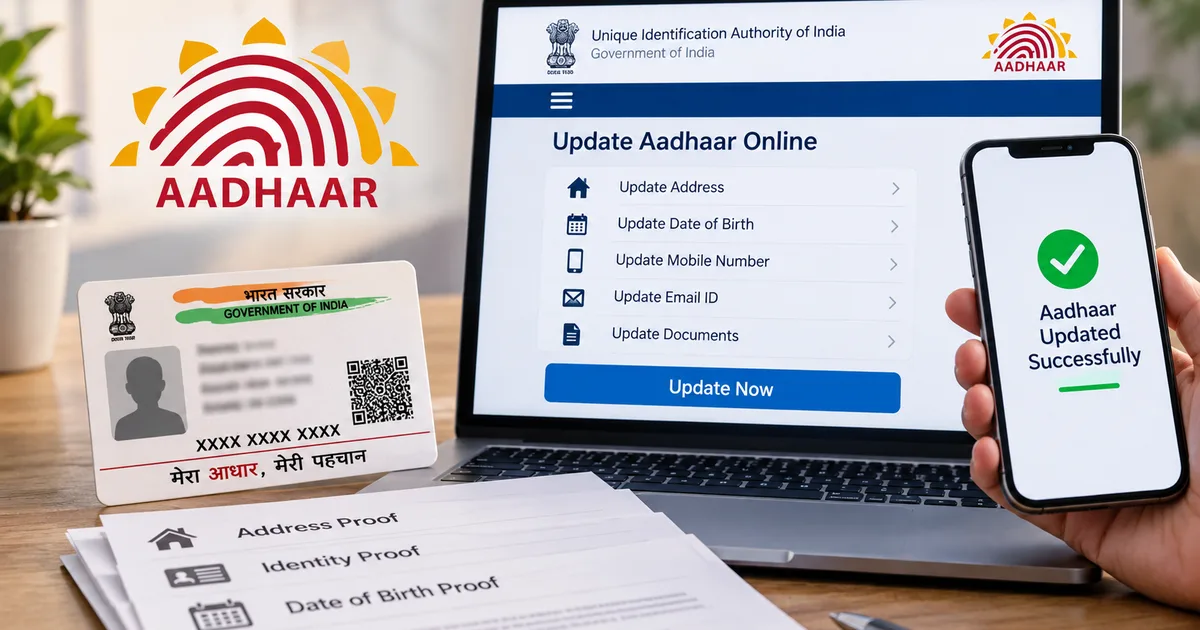
Basically, the Pi Core Team needs to verify you're a real human. They want to know you aren't a bot farm sitting in a basement somewhere (annoying, I know). But their system has struggled with Indian documents historically. Aadhaar cards sometimes fail the automated checks. PAN cards get rejected if the photo is old or faded. I think they just didn't train the software on enough local IDs at first.
How to get your KYC approved quickly
If you're still stuck in the review phase, try these specific steps.
- Update your Pi browser to the latest 2026 version. They patch the document recognition software constantly.
- Use a physical Aadhaar card, not a printout of the e-Aadhaar. The hologram helps the system recognize it as a real, government-issued document.
- Make sure your lighting is perfect. Daylight is best. Do not use flash because it creates a glare on laminated cards.
- If your name on Aadhaar has a middle name, your Pi account name must match it exactly. This is the main reason for rejections in India.
- If you use a DigiLocker document, ensure you are uploading the official PDF export and not just a screenshot from your phone.
Honestly, if you're still stuck after doing all this, you just have to wait. The decentralized validator system is getting faster. Some users report getting approved in minutes now, compared to the months of waiting back in 2024.
Binance India trading rules and taxes for 2026
Now, let's talk about the regulatory side. Even if Pi lists on Binance, can you actually trade it without getting a notice from the tax department? The Binance Crypto Exchange India return in 2026 changed the landscape entirely. Binance is now officially registered with the Financial Intelligence Unit, or FIU, in India. This is a massive deal.
It means they're legally operating. You won't have to use sketchy VPNs to access your account. But it also means the rules are incredibly strict now. You'll have to pay the 1% TDS on every sell transaction. Binance will deduct this automatically before the money hits your wallet.
You'll also be liable for the 30% flat tax on any crypto profits when you file your returns. There's no escaping this. If you sell ₹10,000 worth of Pi, the exchange will deduct ₹100 right away. Then they report the transaction against your PAN to the Income Tax Department.
(I know, paying a 30% tax hurts, which makes sense, actually, given the hassle. But it's far better than dealing with peer-to-peer trading and getting your bank account frozen because the buyer was involved in a cyber scam.)
Also, don't fall for fake tax calculators floating around online. We have a whole section on scams where people get tricked into giving away their banking passwords just to calculate their crypto taxes. Always use official government portals or your CA.
Will Kraken list Pi before Binance?
There's a lot of chatter about the Pi network Kraken listing date confirmed rumors. Kraken has been making aggressive moves in 2026. Their recent roadmap definitely sparked new listing speculation across Twitter and Telegram. Kraken tends to be a bit more experimental with new tokens compared to Binance.
If they list first, expect a massive price swing. The liquidity will be lower on Kraken compared to Binance. This means smaller trades will push the price up or down violently. I wouldn't be surprised if Kraken lists it first to grab the trading volume, forcing Binance to follow quickly. But remember, neither exchange will list the actual coin until the Pi Core Team drops the mainnet firewall.
Right now, any exchange claiming to trade real Pi is just trading IOUs.
"The transition to the open mainnet is the only trigger that will allow genuine exchange listings. Until the firewall drops, all Pi trading happens in enclosed ecosystems or as derivatives."
Technical updates: Protocol v25 and Stellar integration
If you're wondering why it's taking so long, you have to look at the tech. Pi is built on a modified version of the Stellar Consensus Protocol. Pi's big Stellar upgrade just kicked in recently. This isn't just a cosmetic update. They had to upgrade the nodes to handle the massive transaction volume expected when the network goes fully public.
If they opened the mainnet on old architecture, the network would crash on day one. The transition to Protocol v25 is a technical necessity. It improves the sync speeds between nodes and prepares the ledger for smart contracts.
So yes, the waiting is annoying. But the technical groundwork is actually being laid. I'm not sure exactly why they delay communication sometimes, but the code updates are visible. You can read more about network protocols in our tools section to understand how this works behind the scenes.
How to protect your Pi coins from scammers
Whenever there's hype about a Pi Network Binance listing 2026, the scammers come out in full force. It's like clockwork. I've seen dozens of WhatsApp groups popping up in India, offering to buy your Pi for ₹500 per coin today. It's a complete scam.
They ask you to transfer your Pi to their wallet first, promising UPI payment immediately after. You transfer the coins. Then they block you. Your money is gone forever. Never transfer your coins to someone you don't know personally. Here are the warning signs of a Pi scam.
- Anyone asking for your 24-word passphrase. Never give this to anyone. Not even if they claim to be from Pi support.
- Apps claiming to be Binance Pi Integrators or similar fake names. If it is not the official Binance app, do not touch it.
- People offering prices that are way above the current IOU market rate. If someone offers you ₹800 per Pi today, they are lying.
If you spot a scam, report it on the official cybercrime.gov.in portal or call the 1930 helpline. It's actually quite responsive these days. We regularly update our guides on securing your digital assets, so keep an eye on those.
What should you do now?
So, what's the actual game plan here? First, make sure your KYC is done and your coins are migrated to the mainnet wallet. You need to complete all the steps on the Mainnet Checklist in the app.
If your coins are still sitting unverified in the mining app, it doesn't matter if Binance lists it tomorrow. You won't be able to sell them. Second, secure your passphrase. Write it down on a piece of physical paper and put it somewhere safe. Don't save it in a random Google Keep note or email draft that could get compromised if your phone is hacked. If you lose those 24 words, you lose your Pi. Forever.
Third, temper your expectations. The Pi Network Binance listing 2026 is exciting, but it isn't going to make you a millionaire overnight unless you have hundreds of thousands of coins. Think of it as a nice bonus for pressing a button on your phone for a few years.
And finally, just wait. The core team has been slow, yes. But the recent technical upgrades show they're actually doing the work behind the scenes. In my experience, these massive rollouts always take twice as long as promised. Keep tapping that button if you want, but don't quit your day job just yet. We'll be tracking the actual listing data closely on our news page as soon as anything official drops. Keep your app updated, keep your passphrase safe, and ignore the WhatsApp scammers.