You pull up to an Indian Oil or BPCL pump in Delhi today. Right next to the usual petrol nozzle, there's a new one with a bright green sticker. It says E85. You look at the price board. It's sitting at around ₹82 a litre. That's a flat ₹20 cheaper than regular petrol. Naturally, you're tempted to fill up your tank and save some cash.
Stop right there. Don't put that fuel in your standard Activa or Swift. It'll completely ruin your engine.
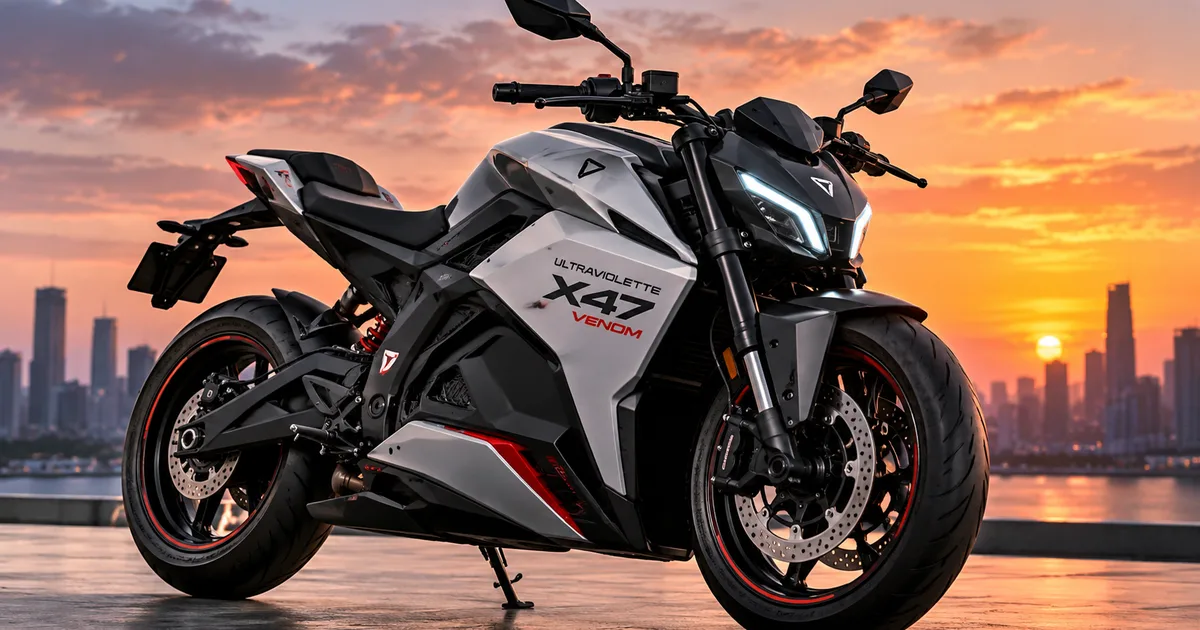
On June 5, 2026, the Indian government officially launched E85 fuel across 48 outlets. They have a massive plan to hit 5,000 pumps by 2027. It's a big shift for how we drive, if you ask me. Companies like Maruti Suzuki are already making cars like the WagonR Flex-fuel to handle it. Hero is building compatible bikes.
But there's a lot of confusion about what this actually means for the everyday driver. So let me break down exactly what E85 is. I'll explain the mechanics of flex-fuel engines, and why the math on that ₹20 discount is actually pretty messy.
What exactly is E85 fuel?
The name basically gives it away. E85 is a blend of 85 percent ethanol and 15 percent standard petrol. That's a massive shift.
For context, the regular petrol you've been using for the last couple of years is usually E20. That means it has 20 percent ethanol mixed in. Bumping that up to 85 percent completely changes the chemical makeup of what's sitting in your fuel tank.
Ethanol is basically alcohol. Specifically, it's ethyl alcohol made from fermenting plant materials. In India, we have a massive agricultural sector. We produce mountains of sugarcane and maize. (Sometimes rice gets damaged and can't be sold for food, too.) Instead of letting that farm waste rot or burning it, distilleries process it into high-grade ethanol.
This is where the magic happens for the economy. We mix this locally grown farm alcohol with imported crude oil. The higher the ethanol blend, the less crude oil we have to buy from the Middle East. It's literally fuel grown in Indian fields.
Why standard cars hate E85
You might be wondering why you can't just take advantage of the cheaper fuel right now. The problem is chemistry. Ethanol is highly corrosive to certain materials.
If you put E85 into a normal petrol car from 2019, bad things start happening almost immediately. Standard fuel lines and rubber seals will begin to dissolve. Ethanol also loves water. It sucks up moisture from the air. If a car sits unused for a while, that moisture separates inside the fuel tank. Then it causes rust from the inside out.
Also, ethanol burns differently than petrol. It needs a different air-to-fuel ratio to combust properly. I'm not exactly sure how the ignition timing gets mapped, but a normal car's computer doesn't know how to handle an 85 percent alcohol mix. The engine will knock. Then it'll stall. Eventually, you get severe internal damage.
How a flex-fuel engine actually works
This brings us to the hardware solution. You've probably seen headlines about the new Maruti Suzuki WagonR Flex-fuel or upcoming Hero bikes. These are flex-fuel vehicles (FFVs).
A flex-fuel engine looks identical to a standard internal combustion engine from the outside. The magic is in the plumbing and the brain.
First, the manufacturer upgrades all the physical parts. The fuel tank, pumps, fuel lines, and injectors are made from specialized plastics and stainless steel. These materials offer extreme corrosion resistance. The fuel system becomes completely immune to alcohol degradation.
Then comes the software. This is honestly the coolest part.
Inside the fuel line, there's a tiny sensor. As the fuel flows from the tank to the engine, this sensor analyzes the liquid in real time. It tells the car's computer exactly what you just pumped.
- If you pumped normal E20 petrol, the sensor reads 20 percent ethanol.
- If you pumped E85, the sensor reads 85 percent.
- If you mixed them half-and-half because the pump ran out, it might read 50 percent.
The computer takes this data and instantly alters the engine mapping. It adjusts the spark plug timing and changes how much fuel the injectors spray into the cylinders. The transition is completely seamless. You, as the driver, feel absolutely nothing. The car just drives.
The mileage problem nobody wants to talk about
Here's the reality check about that ₹20 discount.
Ethanol has a lower energy density than pure petrol. Basically, a litre of ethanol has less explosive energy than a litre of petrol. When your car burns E85, it has to burn more of it to get the same amount of horsepower.
This means your fuel efficiency is going to drop.
If your regular petrol car gets 15 kilometres to the litre, running that same car on E85 might drop your mileage to 11 or 12 kilometres to the litre. This is just physics. No amount of clever engineering can bypass it.
So, does the cheaper price actually save you money?
It really depends on the math. At ₹82 a litre compared to ₹102 a litre, the price is roughly 20 percent lower. Your mileage drop will likely be around 20 to 25 percent. In my experience with daily driving scenarios in Indian city traffic, the running cost per kilometre ends up being almost identical. Sometimes you save a few paise per kilometre. Sometimes you break even.
"The government is pricing E85 aggressively precisely to offset the mileage drop. If it wasn't cheaper, no one would buy a flex-fuel car because their monthly fuel bill would go up."
I highly recommend reading our recent guides on car buying if you're trying to figure out total ownership costs.
Why the Indian government is pushing this in 2026
You might be asking why we're doing all this if the cost per kilometre is basically the same for the driver. The answer is national economics and security.
India imports over 85 percent of its crude oil. We spend billions of dollars every single year paying foreign countries for oil. Every drop of ethanol we blend into our fuel is a drop of oil we don't have to buy from outside.
Union Minister Hardeep Singh Puri made this clear during the launch. The goal is to hit a 26 percent aggregate ethanol blending target nationwide. By rolling out E85 fuel across major cities via Indian Oil and BPCL, as well as HPCL, the government creates a guaranteed market for Indian farmers.
Instead of money flowing out to oil-producing nations, it flows to sugar mills. Then it eventually goes to sugarcane and maize farmers in Uttar Pradesh and Maharashtra, plus Karnataka. It's a massive wealth transfer from foreign oil giants right to the local rural economy.
What this means for your next car purchase
We're currently in a weird transition phase. If you're buying a car right now, you have to think carefully.
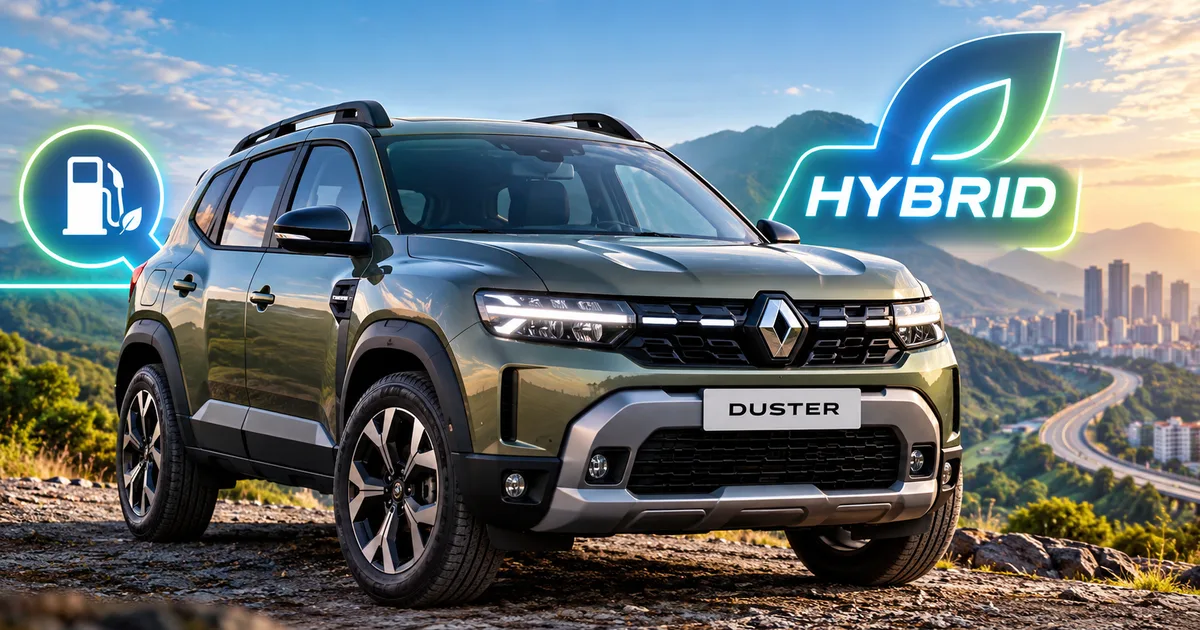
EVs are great, but charging infrastructure outside major highways is still a headache (annoying, I know). Standard petrol cars are reliable. But fuel prices are always at the mercy of global conflicts. Flex-fuel cars offer an interesting middle ground.
With a flex-fuel car, you get absolute freedom. If you find an E85 pump and want to support local farmers while paying less per litre, you can. If you're driving through a rural area and can only find standard petrol, the car takes that too without any complaints.
Right now, the rollout is limited to 48 outlets. Finding an E85 pump requires actively looking for one. But with the target set for 5,000 pumps by next year, it's going to become a common sight very quickly. If you keep your cars for seven to ten years, buying a flex-fuel compatible model today is a smart hedge against future fuel shocks.
Just remember to check the nozzle before you squeeze. Green sticker for the new cars, and standard sticker for the old ones. Mixing them up is a sketchy mistake you only make once. Stay updated with our daily tech news coverage to track which pumps in your city get E85 next.