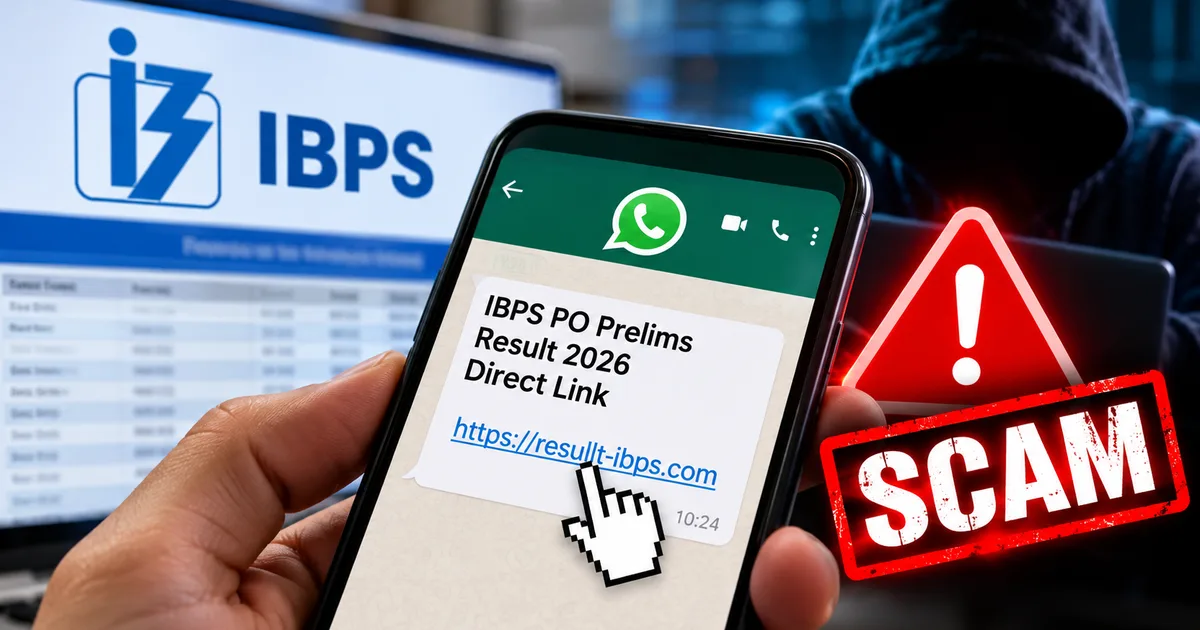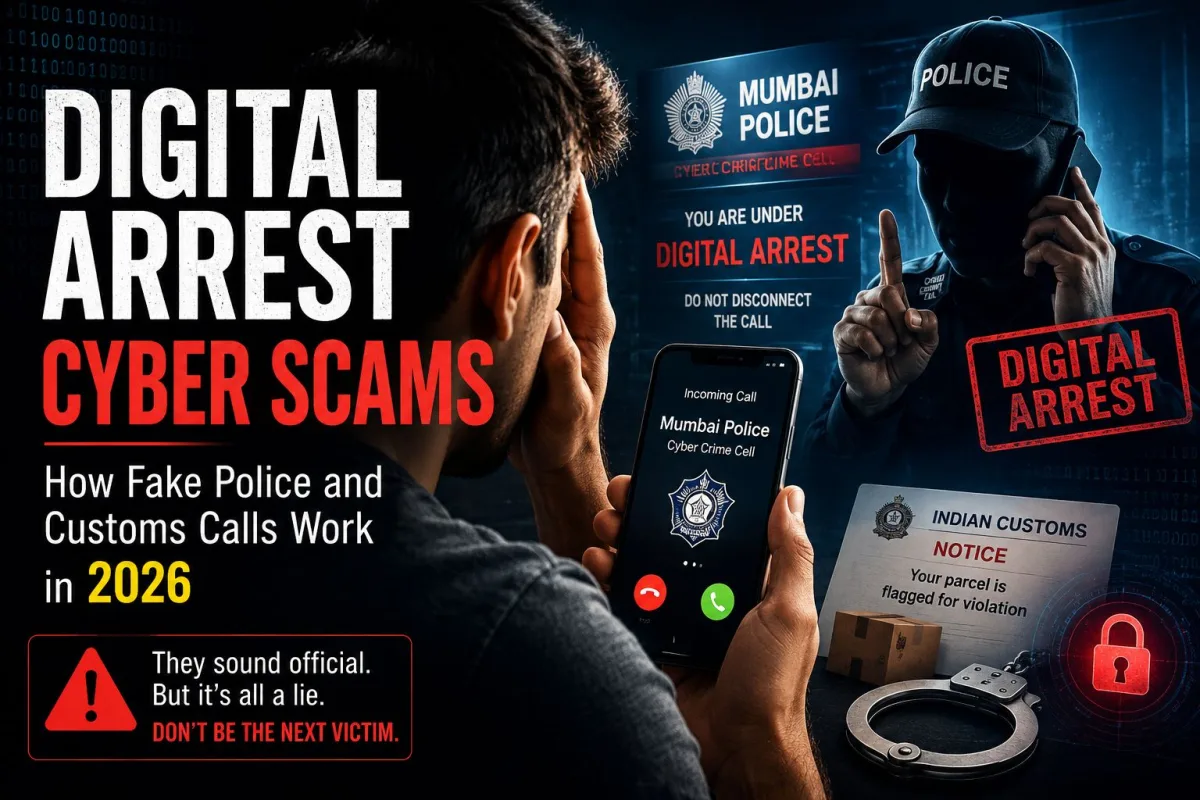
Chief Justice of India Surya Kant recently called the digital arrest a crime against human dignity. I completely agree with him. It is a brutal form of psychological manipulation that turns your own fear against you. If you think you are too smart to fall for it, you need to understand how sophisticated these digital arrest cyber scams have become in 2026.
The central government recently informed the Supreme Court that WhatsApp banned over 9,400 accounts linked to these specific frauds in just a 12-week period. These are not simple phishing texts. These are elaborate, multi-actor stage plays designed to terrify Indian citizens into emptying their bank accounts. The scale is massive. Recent reports highlight that cyber fraud losses have hit ₹52,000 crore, with a significant chunk driven by these fake law enforcement calls.
You probably read our other fraud alerts, but this one requires your immediate attention. Criminals operating from locations like Cambodia are cloning WhatsApp accounts, using AI deepfakes, and setting up fake police stations to ruin lives. Here is exactly what you need to know about how these calls operate and how to shut them down.
What exactly is a digital arrest?
A digital arrest is a fabricated legal concept. Indian law does not have any provision for a "digital arrest." It is a term invented by cybercriminals.
In this scam, criminals contact you and claim you are implicated in a serious crime. They force you to stay on a video call, usually on WhatsApp or Skype, for hours or even days. They forbid you from contacting your family or logging off. They tell you that you are under arrest digitally until they verify your innocence. The ultimate goal is to force you to transfer all your savings into their bank accounts for "verification" by the Reserve Bank of India or the CBI.
They create a high-pressure environment where panic overrides your logical thinking. A woman in Lucknow recently had to intervene to stop her father from transferring ₹60 lakh to these scammers. Many others have not been so lucky.
How the fake police call works step by step
These scams follow a highly scripted playbook. The criminals are trained professionals who know how to escalate tension. The process usually happens in four stages.
The initial hook
The scam almost always starts with an automated phone call or a message from an everyday service provider. You might get an IVR call claiming your mobile number is about to be blocked by TRAI because it was used for illegal activities. Or, you get a call from someone claiming to be from FedEx or DHL. They will tell you a parcel sent in your name containing illegal passports, MDMA, or tiger skin has been intercepted by Customs.
When you deny sending the package, the caller acts helpful. They suggest your Aadhaar card might have been misused and offer to connect you directly to the cyber police to file a complaint.
The fake police interrogation
Your call is transferred to someone pretending to be a police officer or a CBI official. This person will speak aggressively. They will recite your Aadhaar number, your home address, and sometimes even your bank details to prove they have a dossier on you. They accuse you of money laundering or drug trafficking.
The video call and the set
They will demand that you switch to a video call for a formal statement. This is where the visual manipulation starts. The person on the screen will be wearing a police uniform. You will see police logos, Indian flags, and sometimes even a fake police station set in the background. Criminals are increasingly using AI deepfakes to make themselves look like senior IPS officers. They will send you fake arrest warrants on official-looking letterheads with forged stamps.
They will explicitly order you to lock yourself in a room. They tell you that discussing this with anyone will lead to immediate physical arrest for obstruction of justice.
The extortion phase
After breaking down your resistance, the "officer" offers a way out. They claim your bank accounts are compromised and the money needs to be audited. They instruct you to transfer all your funds to a "secretariat account" or an "RBI safe account." They promise the money will be returned in 48 hours once you are cleared of the charges. The moment you hit send on your banking app, your money is gone. It gets routed through multiple mule accounts and converted to cryptocurrency.
Warning signs you should watch for
You can stop this scam in its tracks if you know what to look for. Keep these indicators in mind the next time your phone rings.
- Police and investigative agencies do not conduct interrogations over Skype or WhatsApp video calls.
- Government officials will never demand that you isolate yourself from your family members.
- No legitimate authority will ever ask you to transfer money to a "safe account" for verification.
- Real arrest warrants are delivered physically by local police, not sent as PDFs over messaging apps.
- Any urgency demanding immediate payment to avoid jail time is a guaranteed fraud attempt.
How to protect yourself and your family
The most powerful weapon you have against a digital arrest is the disconnect button. You need to train yourself to hang up the phone.
If you receive a call about a seized package or a blocked phone number, just disconnect. Do not press 1 to speak to customer care. If you are already on the line and they mention police or customs, hang up immediately. Real police officers have the jurisdiction to find you at your home if there is a genuine issue.
You should also talk to your parents and elderly relatives. They are frequent targets because they respect authority and fear legal trouble. Walk them through our online safety guides and explain that no government official will ever ask for their bank balance over a video call.
Never transfer money under the pressure of an ongoing phone call. Take a breath, call a family member, and physically visit your local police station if you are genuinely worried.
Where to report a digital arrest attempt
If you lose money to this scam, time is your biggest enemy. You must report the fraud immediately to freeze the mule accounts.
Call the national cybercrime helpline at 1930 right away. The faster you call, the higher the chance banks can block the transaction. You must also register a formal complaint on the official government portal at cybercrime.gov.in. Make sure you take screenshots of the WhatsApp numbers, the Skype IDs, and the fake warrants they sent you. Save the transaction reference numbers.
You can also refer to advisories from CERT-In for updates on how criminals are modifying their tactics. Law enforcement agencies are actively working to dismantle these networks, as shown by the recent massive block of WhatsApp accounts, but your first line of defense is your own awareness. Read up on our security tools to learn how to block spam calls before they even reach you.