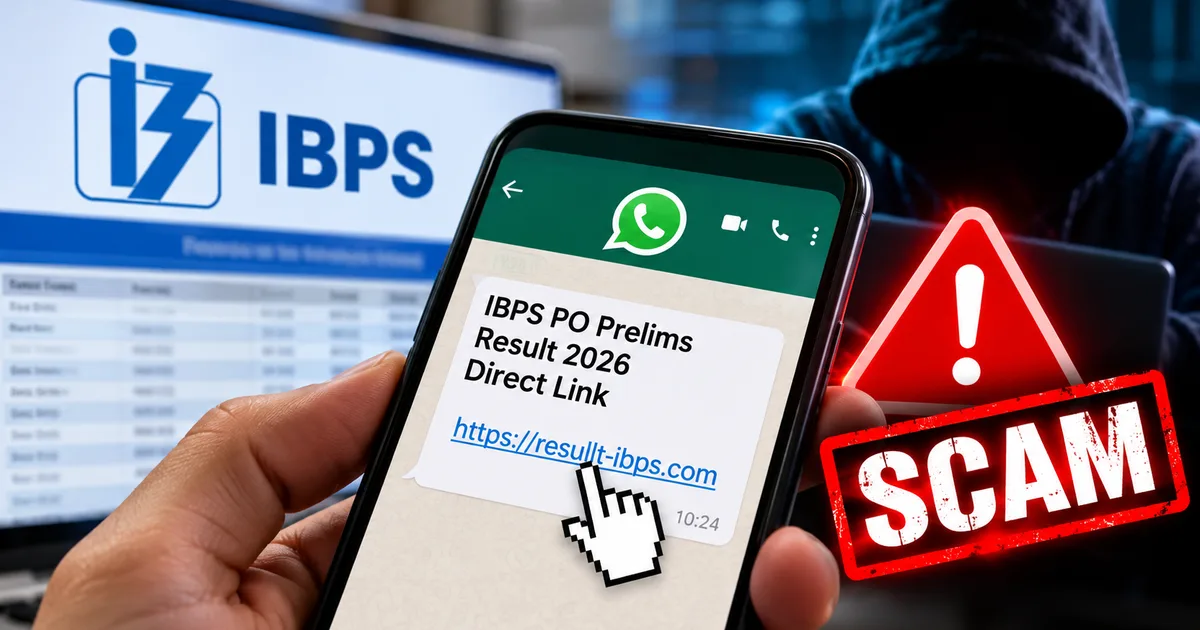
You'll get a message on WhatsApp from an unknown number. They claim to represent a digital marketing agency or some global brand. The job is painfully simple. Just like three YouTube videos, take screenshots, and earn 150 rupees. And the crazy part is they actually pay you.
But this is just the hook for YouTube like and subscribe task scams. It's a massive wave of Telegram work from home fraud destroying savings accounts across India in 2026.
Honestly, this scam makes me sick. I read the police reports every single week, and they're awful. A Bengaluru woman lost Rs 1 crore earlier this year. Then a woman in Udupi got drained of 31 lakh after seeing an Instagram ad. Just recently, a Hyderabad man lost Rs 1.29 crore to a Telegram crypto variant of this exact same trap. Thing is, people always think they're too smart to fall for this stuff. They figure they can just grab the initial 150 rupees and block the number. Scammers are counting on that exact mindset.
What is the Telegram task scam?
Basically, it's a psychological trap hiding as a part-time job.
Fraudsters use sketchy social media ads or random texts to recruit people for "social media optimization" tasks. At first, it really is just liking videos. Or leaving Google reviews. Then the operation moves to Telegram, and this is where the actual financial bleeding starts. These scam rings operate like highly organized corporate teams. They've got receptionists who onboard you. Mentors step in to guide your investments. They even pack the chat with fake group members who just constantly post screenshots of massive daily profits.
How the work from home fraud works step by step
I want to break this down exactly as it happens. Knowing the playbook is your only real defense against these networks.
Step 1: The initial WhatsApp hook
You get a text. Sometimes it's a basic SMS, but usually they reach out on WhatsApp. The sender has a generic foreign country code or a stolen Indian business account. They offer part-time work from home requiring zero experience.
You agree out of curiosity. So they send you links to popular YouTube videos. You like them, send the screenshot back, and then they ask for your UPI ID. Minutes later, 150 rupees hits your bank account. You probably think you just found the easiest side hustle in the world.
Step 2: Moving to the Telegram VIP group
The fake HR manager tells you that to get more tasks and higher pay, you need to join their Telegram group. You download the app. You join.
Inside, there are dozens of people. I have to warn you right now that almost all of them are bots or accomplices. Every few minutes, someone posts a screenshot showing they just made 5,000 or 10,000 rupees. The fear of missing out hits you hard. You want those returns.
Step 3: The prepaid merchant tasks
Things change completely on day two. The free YouTube tasks stop. The admin announces a special "merchant task" or "prepaid task" for higher returns.
They tell you to invest 1,000 rupees to buy crypto on a specific portal they link you to. They promise a 30 percent return in ten minutes. You pay the 1,000 rupees via UPI. You log into their fake dashboard and see your balance jump to 1,300 rupees. They actually let you withdraw it back to your bank account. Now they have your complete trust.
Step 4: The final sunk cost trap
The amounts get bigger fast. First they ask for 10,000 rupees. You pay it. But when you try to withdraw, there is a sudden system error. I'm not sure exactly why, but they always claim your credit score on the platform is just too low.
The mentor says you made a mistake clicking a button. To fix the error and unfreeze your funds, you have to pay a 50,000 rupee penalty. People panic at this stage. They scramble to borrow cash from family members. Some even empty out their life savings and fixed deposits. They keep paying these made-up taxes and penalties because they're absolutely desperate to get their original money back. The platform is entirely fake. Those profits don't exist. Your money was gone the second you approved that UPI PIN.
The psychology of the scam: Why smart people fall for it
A lot of folks ask how educated professionals lose crores to this. If you ask me, it really comes down to the sunk cost fallacy and social proof.
Once you put 50,000 rupees into a system, your brain refuses to accept it's a scam. You convince yourself that paying just one more fee will unlock your funds. And the scammers apply intense time pressure. They tell you the withdrawal window closes in ten minutes. You just don't have time to think rationally or call a friend for advice.
Those fake Telegram members constantly cheer on the mentor. They post messages saying things like "Thank you sir, I just bought a car with today's profits." It creates an illusion of a safe community. If you want to understand how deep these psychological tricks go, you can read our breakdown of social engineering in cybercrime.
Where does the money go? The mule account network
Your money doesn't stay in the account you sent it to. Scammers use vast networks of "mule accounts" across India.
They rent bank accounts from college students, laborers, bored teenagers, or desperate people for a few thousand rupees a month. The moment your UPI transfer hits the mule account, automated scripts bounce the money through several other accounts. Within minutes, the funds are converted into cryptocurrency on unregulated exchanges. This makes tracking the money incredibly difficult for Indian law enforcement (which makes sense, actually). That is why CERT-In constantly issues warnings about these specific money laundering chains.
Warning signs you need to watch out for
Look, the red flags are glaring once you know what they are. Watch out for these exact scenarios.
- Random job offers on messaging apps from international numbers are always fake.
- Requests to move the conversation to Telegram immediately. Fraudsters use Telegram because they can delete chat histories for both sides without a trace.
- Paying money to earn money is the ultimate red flag. No legitimate job requires you to deposit your own cash or complete prepaid tasks to get your salary.
- Fake urgent errors that require you to pay a "withdrawal tax" or "unfreeze fee" to get your own money out of a trading portal.
If a stranger pays you 150 rupees just to like a video, you are not their employee. You are the mark. They are spending pennies to win your trust so they can steal lakhs from you later.
How to protect yourself and your bank account
Prevention is much better than trying to get stolen money back. Once funds leave your account, recovery is brutally hard.
Never share your UPI ID with random contacts who promise free money. Even accepting that first 150 rupees is a mess. It flags your phone number to underground networks as an active target who responds to bait. Block and report the initial WhatsApp numbers immediately. Don't try to outsmart them by taking the first small payment and running. In my experience, I've seen too many smart people try this and still get manipulated into losing everything.
If you're looking for legitimate online work, stick to verified platforms. You can check our guide to finding real freelance work in India for safe alternatives.
Take two minutes to review your app privacy settings (annoying, I know). Restrict who can add you to WhatsApp and Telegram groups. Just setting this to "My Contacts" blocks half these scams before they even reach your phone. We have a full tutorial on this in our messaging app privacy guide.
Where to report the scam immediately
If you already paid these scammers, stop right now. Do not pay the unfreeze fee.
Call 1930 immediately. This is the official national cybercrime helpline. The faster you call, the higher the chance your bank can freeze the destination account before the scammers convert the funds to crypto. The first hour is everything.
Next, file a detailed formal complaint at cybercrime.gov.in. You need to include screenshots of the WhatsApp chats, the Telegram group links, the fake platform URLs, and every single UPI transaction ID. Keep your money safe. Stay skeptical of anyone offering easy cash.