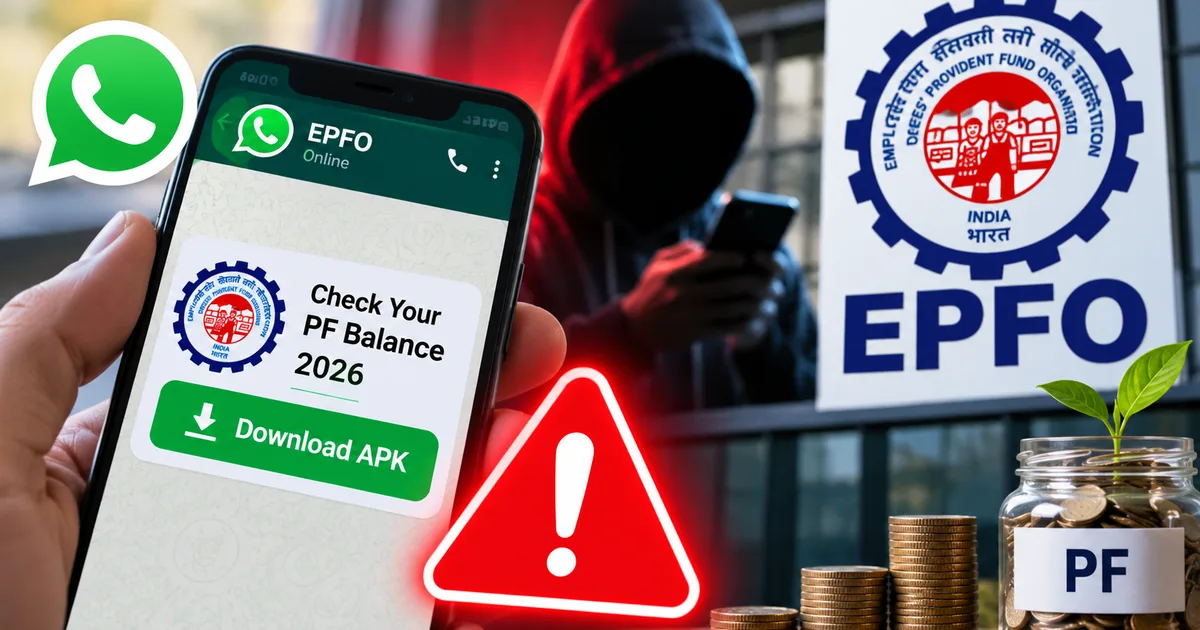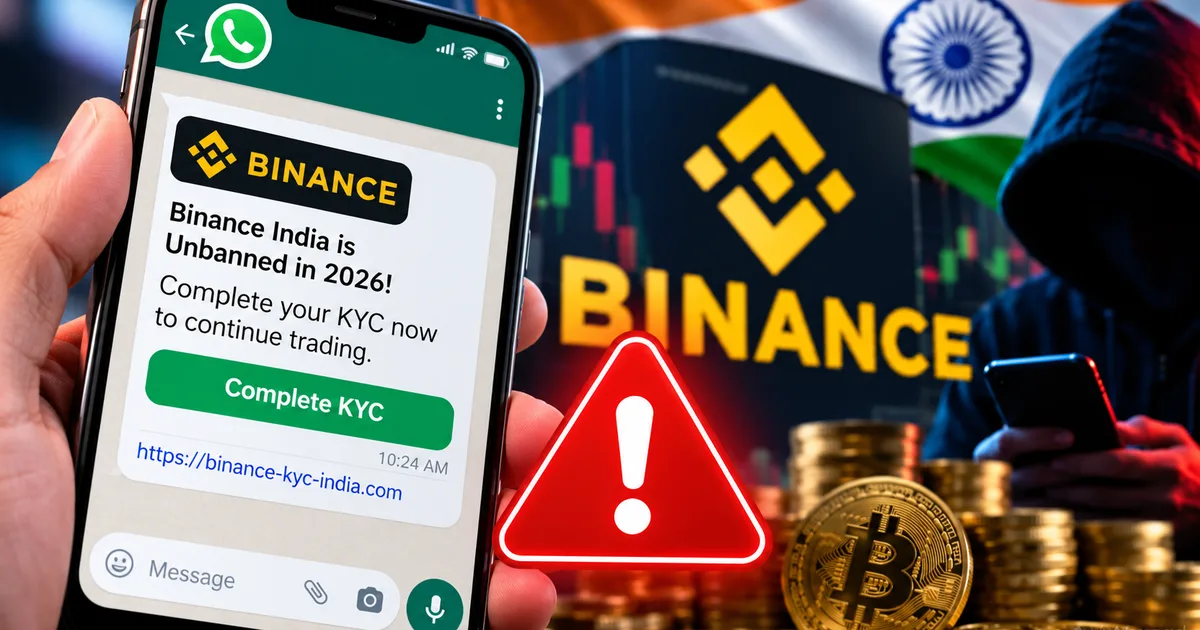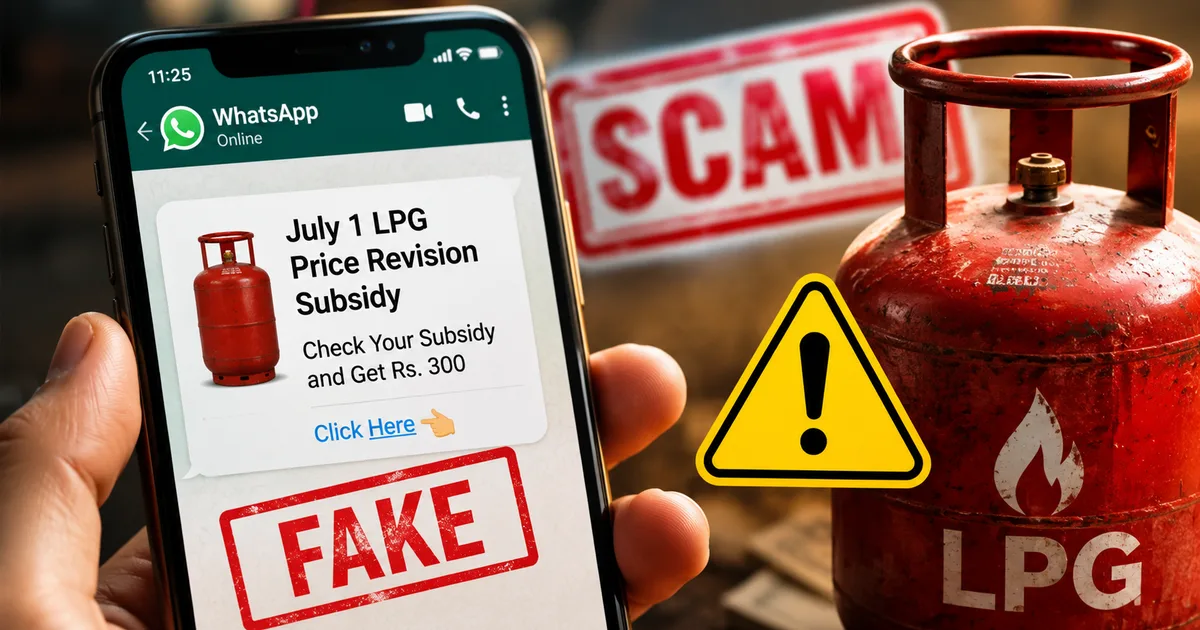
I get messages from my relatives all the time about some new government scheme. Most of them are harmless forwards about things that don't even exist. But right now, there's a massive fake July 1 LPG price revision subsidy scam making the rounds on WhatsApp, and it is wiping out bank accounts across India. People are losing their hard-earned money in a matter of seconds. It looks like a completely normal message from Indane or Bharat Gas. It tells you your cylinder subsidy is pending or your KYC needs an urgent update. You click a link. You follow the instructions. And within minutes, your bank balance drops to absolutely zero. I'm seeing reports of this every single day now. It's honestly infuriating how easily people are being manipulated.
What the fake LPG subsidy scam is
We all know the drill with booking gas cylinders. You book on the app. You pay through UPI using GPay or PhonePe. The delivery guy shows up a few days later with the heavy red cylinder. Sometimes you get a government subsidy directly deposited in your bank account. Scammers are exploiting this exact routine. The scam is basically fake messages that look like official communications from your gas provider. They claim you have a pending refund of INR 300 or INR 500 due to recent government price changes. Or they might say your delivery is indefinitely blocked because your Aadhaar KYC is incomplete. It's a total mess.
They send these texts or WhatsApp messages in bulk to thousands of numbers at once. All they need is one tired person who's distracted by work to click the link. They use official-looking logos of HP Gas and Indane to make the message look authentic. Honestly, the fake messages look better than the official ones sometimes. The Hindi and English are perfectly formatted. But the end goal is always the same. They want you to install a malicious application on your phone. Or they want you to fill out your debit card details on a fake website. Once you do that, they have full control over your finances. They empty your account before you even realize you made a mistake (which makes sense, actually, given how fast UPI is).
The role of telecom operators and messaging platforms
We need to talk about why this is happening so easily. You'd think that in 2026, telecom operators and messaging platforms would have better filters. I'm not sure exactly why international numbers are allowed to send bulk messages claiming to be Indian government services. I think WhatsApp has added a lot of security features over the years. But they still struggle to block these sketchy phishing campaigns. Scammers are registering fake business accounts. They get a cheap virtual number and set a logo. Then they start blasting messages.
And the telecom operators are just as guilty. The sheer volume of fake SMS messages going around is staggering. They use SMS headers that look like AD-INDANE or VM-BHARAT. A normal person can't tell the difference between a real sender ID and a spoofed sender ID. It's incredibly frustrating that the burden of security falls entirely on the consumer. You are expected to be a cybersecurity expert just to check if you got a 300 rupee refund. It makes no sense.
How this WhatsApp fraud works step by step
Understanding the mechanics of this fraud is your best defense against it. The criminals run a highly organized operation. They aren't amateurs sitting in a basement. They treat this like a corporate job. Here is exactly how they steal from you.
- You receive a message on WhatsApp or plain SMS. It comes from an unknown number. Often it has a professional-looking profile picture of a gas agency or the Ministry of Petroleum. The message says your July subsidy is blocked or your connection will be terminated. It provides a link to claim your refund or update Aadhaar KYC. They know the word Aadhaar makes people jump to action.
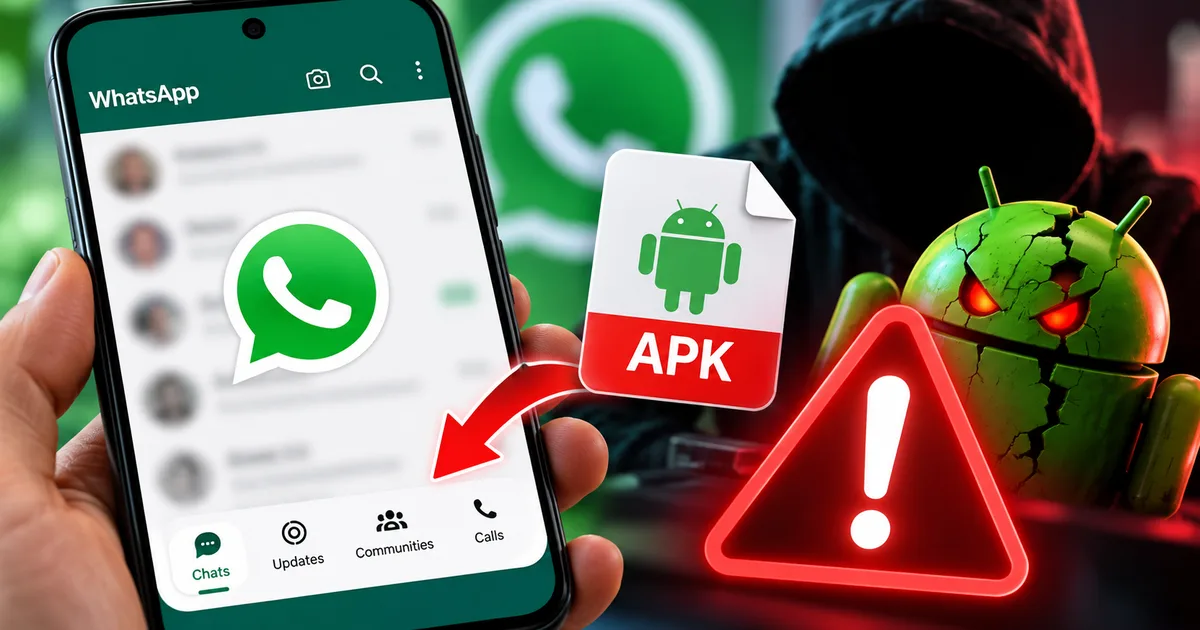
- You click the link. It doesn't take you to the official website. Instead, it prompts you to download an APK file. For those who aren't tech-savvy, an APK is just the installation file for an Android app. The file might be named something like BharatGas_Subsidy_Update.apk. Android usually warns you about installing apps from unknown sources (which, for the record, I think is actually a good thing). But the scammers are smart. They include detailed instructions in their message telling you to ignore the security warning and install it anyway.
- The app asks for permissions. This is where the actual theft happens. When you open the fake app, it'll ask for permission to read your SMS messages. It might say it needs this to verify your booking automatically. If you click allow, you've just handed the keys to your bank account to a stranger in another city. The app might also show a fake form asking for your bank account number and UPI PIN. Never enter your UPI PIN anywhere except your official UPI app.
- The scammers initiate a transaction from your account. They might already have your bank details from various dark web data leaks. Or the fake app might have successfully tricked you into typing them. When your bank sends the OTP to confirm the transaction, the malicious app reads the OTP silently in the background. It forwards that OTP to the scammers over the internet. Then it deletes the SMS from your phone. Your phone just buzzes later with a message saying INR 80,000 has been debited from your account. By then, the money is gone.
Real cases are devastating families
I read a report recently about a woman in Maharashtra who signed a fake gas info update form online and lost INR 4 lakh. Four lakh rupees. That's life-altering money for most families. The scammers had set up a completely fake portal that looked identical to the real portal. She thought she was just updating her address for cylinder delivery.
Cybercrime police recently warned that scammers are exploiting the July 1 price updates to trick citizens into downloading malicious APK files. This causes massive financial losses across multiple states.
In Punjab, fake SMS messages about LPG bookings have caused a massive spike in cybercrime complaints over the past few weeks. Scammers are targeting senior citizens specifically. They know older folks might not understand how APK files work. A senior citizen recently lost their entire retirement savings because they thought they were just updating their Aadhaar details. It is sickening.
Criminals are using shell companies and fake rent agreements to funnel this stolen money around. They move it through multiple bank accounts in minutes. This makes it incredibly hard for the police to track. The numbers here are a bit fuzzy, but it is definitely in the tens of crores. The authorities recently busted a cyber fraud gang in Azamgarh linked to over 400 complaints. They were using hundreds of fake SIM cards. But for every gang they catch, three more pop up to take their place. The scale of this operation is massive. The authorities are completely overwhelmed.
How to protect yourself from LPG delivery scams
You need to take proactive steps to secure your devices. You can't just hope they won't target you. They will eventually. Your number is definitely out there in some leaked database.
- Only use official channels for everything. If you want to check your subsidy status or book a cylinder, use the official app from the Play Store. Or use the official website. You can also use the centralized DigiLocker app for some government services. Never use a link sent to you by a stranger on WhatsApp to do official business.
- Disable app installations from unknown sources on your Android phone right now. Go to your settings. Search for install unknown apps. Make sure it is turned off for your browser and for WhatsApp. This simple setting stops these malicious APKs from installing even if you accidentally click the link.
- Never share your screen. Some scammers have adapted their tactics. Instead of an APK, they call you on WhatsApp and ask you to download a screen-sharing app like AnyDesk or TeamViewer. They say they're from customer support. If you share your screen, they can literally see your OTPs when they arrive on your screen. Never download a screen-sharing app because a stranger on the phone told you to do it.
- Pay attention to the payment flow. When the delivery driver arrives at your door, pay him through the official UPI QR code on his machine or through the official gas company app. Don't send money to a random UPI ID that someone texted you beforehand.
The warning signs you cannot ignore
You have to stay vigilant. The government and oil companies have clear processes. They don't operate like these scammers do. You can spot the fraud if you know what to look for.
The biggest red flag is the APK file. Official gas companies will never ask you to download an app from a random link in a WhatsApp message. If you need the HP Gas or Indane app, you go to the Google Play Store or Apple App Store. You never install an APK directly from a link. Period. If a message tells you to bypass your phone's security settings to install an app, it is a scam.
Another massive warning sign is a sense of urgency. The messages always say your service will be suspended in 24 hours. They claim your next delivery is blocked. They want you to panic. When you panic, you stop thinking clearly. Real gas agencies don't threaten to cut off your supply over WhatsApp with a strict deadline.
Check the number sending the message. Verified business accounts on WhatsApp have a green tick next to their name. These scam messages usually come from regular numbers. Sometimes they even come from international numbers. If a random 10-digit number is messaging you about your LPG subsidy, delete it immediately. You can find more tips on verifying numbers in our digital safety guides.
What to do if you clicked the link
Look, mistakes happen. Maybe you were busy at work. Maybe the message looked really convincing. If you downloaded the fake app and gave it permissions, you need to act fast. Every single minute counts.
Put your phone in airplane mode immediately. Don't wait to see what happens. Pull down your quick settings and tap the airplane icon. This completely cuts off the phone's internet and cellular connection. The app can no longer send your OTPs to the scammers.
Then, find a different phone. Borrow one from a neighbor or family member. Call your bank immediately. Tell them your phone is compromised by malware. Ask them to block your debit cards and completely disable UPI on your account.
Once your bank accounts are safe, you need to clean your phone. Don't just uninstall the app. These malicious programs hide deep in your system. You have to back up your photos to a computer and perform a full factory reset on your phone. It wipes everything. It's a massive pain, I know. But it's the only way to be absolutely sure the malware is gone for good.
Where to report the fraud
You have to report this stuff. Don't feel embarrassed. These criminals are professional con artists. Reporting helps the authorities track them down. It might even help you get your money back if you act quickly enough.
Call the national cybercrime helpline at 1930 immediately. The faster you call, the higher the chance they can freeze the stolen funds in the scammers' accounts before they withdraw them as cash from an ATM.
You should also file a detailed written complaint on the official government portal at cybercrime.gov.in. Provide them with the exact phone number that sent you the message and the exact link they sent.
You can also check advisories from CERT-In. They are the government's cybersecurity agency. They regularly publish technical details about these APK malware campaigns. Staying informed is half the battle. If you want to read more about recent threats and how to avoid them, check out our latest tech updates and share them with your family groups. Stay safe out there. Be highly skeptical of everything you get on WhatsApp involving money. Your bank account depends on it.