We are just weeks away from the Made by Google event on August 12, and the Google Pixel 11 2026 Leaks have already spoiled almost the entire presentation. Honestly, Google has a terrible track record with keeping secrets, but this year the volume of information is massive. We already know the exact models, the colors, the new 2nm chip details, the camera specs, and the expected price hike for buyers in India.
If you've been holding off on buying a phone because you're sick of terrible battery life or overheating on 5G networks, this might actually be the year you want to take a serious look at a Pixel.
I spent the weekend looking through all the recent FCC filings and promotional material leaks (which took way longer than I thought). The changes coming this year are major hardware shifts that will completely change how the phone performs daily. Forget the usual software gimmicks.
The new lineup and what it costs in India
Google is sticking to its four-phone strategy for the flagship tier. You'll get the standard Pixel 11, the smaller Pixel 11 Pro, the massive Pixel 11 Pro XL, and the foldable Pixel 11 Pro Fold. They're also dropping a new Pixel Watch 5 in two sizes and a brand new Android tracker called the Pixel Tag.
But the price is going to sting.
Leaks point to a $100 price increase across the board for the base models. The standard Pixel 11 is expected to start at $899 in the US. When you convert that and add our import duties and standard electronics markup, we're looking at a starting price of around Rs 85,800 in India. That's serious flagship territory. You're directly competing with the iPhone 16 series and the Samsung Galaxy S26 lineup here. To soften the blow, Google is apparently doubling the base storage. The 128GB option is finally gone, and every phone in the Pixel 11 lineup starts at 256GB now.
Pre-orders for India will open on August 12 right after the New York launch event concludes. In my experience, Indian buyers usually wait for Diwali sales, but early bird deals on Flipkart or the Google Store might actually be better this year. So you don't have much time left to decide.
Tensor G6 and the end of Exynos modems
This is the single biggest reason to care about the new Pixel. For years, Google used Samsung's foundries to make their custom Tensor chips. They also used Samsung Exynos modems for cellular connectivity. The result was often average battery life and weird network drops, especially when traveling on Indian trains or using Jio or Airtel 5G in crowded urban areas. The phones would just run hot for no reason. It was a mess.
That changes entirely with the Tensor G6.
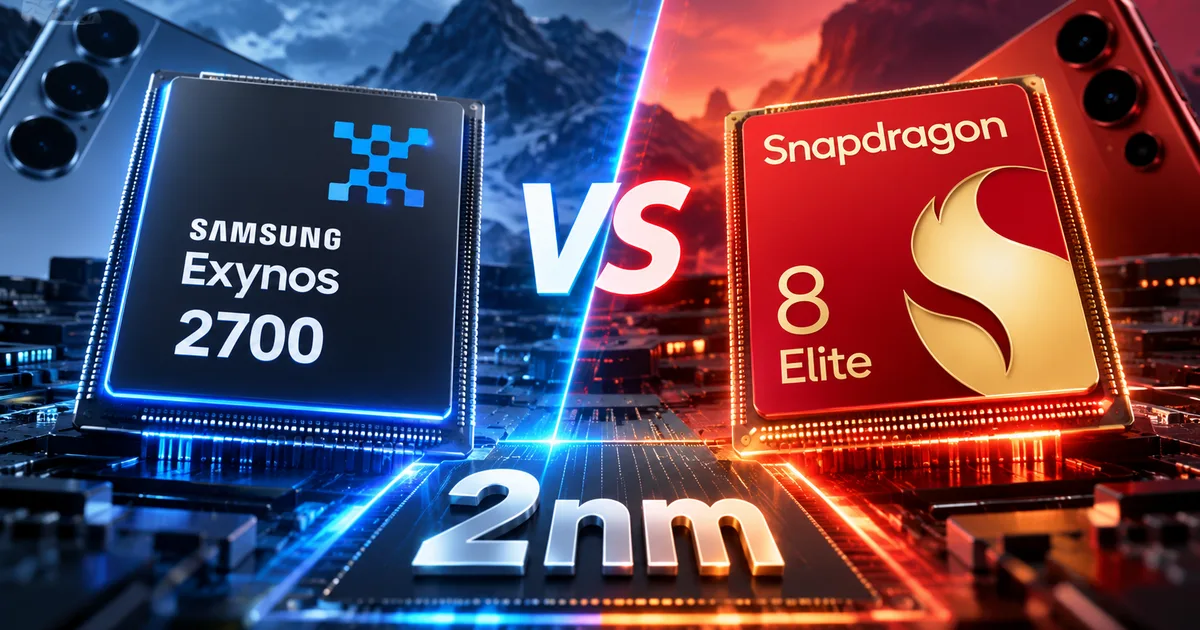
Google reportedly secured an early order for TSMC's new 2nm manufacturing node. This means the chip is much faster and consumes way less power than previous generations. But the real upgrade is the modem. Recent FCC filings confirm Google is switching to a MediaTek M90 modem. They're ditching the Samsung hardware completely.
I can't stress enough how much better this is. A TSMC-made chip paired with a MediaTek modem has to finally give the Pixel true all-day battery life on Indian 5G networks. You might actually be able to use Google Maps navigation, stream Spotify, pay for your chai with UPI, and check WhatsApp without watching your battery drop 10 percent in twenty minutes.
"The hope is for a much more power-efficient setup... Satellite connectivity will be available even with the new modem." - GSMArena report on the Pixel 11 leaks.
And if you want to read more about how AI and new chips are shaping upcoming phones across different brands, check out the Samsung Galaxy S26 Ultra 2026: Expected AI Features, Price, and Camera Upgrades Explained post we put together last week.
Pixel Glow and design tweaks
Don't expect a massive physical redesign this year. The phones look very similar to the Pixel 9 series. The footprint is almost identical, though some leaks suggest they're a fraction thinner by a few millimeters. This might make some of your old cases incompatible (annoying, I know).
The camera bar on the back has a slight refinement. It's an all-glass design again, completely ditching the metal portions on the sides. It is a return to the older Pixel 6 style. They also completely removed the temperature sensor on the Pro models. I'm glad they did because practically nobody was using it anyway.
Basically, the new hardware feature everyone is talking about is called Pixel Glow.
Some leaked marketing materials call it HiLight. It's an RGB LED built right into the camera visor. We don't know exactly what it does yet. The details here are a bit fuzzy about its actual power draw, but it might just be a customizable notification light. Or it could tie directly into the new AI features as a visual status indicator when the phone is processing a complex task.
Also, Google has some bright color options this year. The standard Pixel 11 gets Fuchsia, Moss, Light Sterling, and a dark greenish-black called Midnight Haze. The Pro models get more muted versions like Light Fog and Pine. You can find more daily updates in our Latest Tech News section if you want to track the exact color availability for the Indian market.
Camera upgrades and 120x zoom
Pixels are camera phones first, and Google is pushing the photography hardware again. The base Pixel 11 has a significant telephoto upgrade. It supports up to 30x digital zoom now. That's a massive jump for the non-Pro model. And it means you won't feel completely left out if you skip the more expensive versions.
The Pixel 11 Pro is where things get wild.
Leaked marketing materials show support for up to 120x Pro Res Zoom. They're likely using a new 48MP sensor behind a 5x optical lens to pull this off, relying heavily on AI to clean up the image data. You'll probably need a tripod to get a usable shot at 120x. But it's a fun trick, and it means your 10x or 20x shots will look incredibly crisp.
Look, if you're trying to decide between the base and Pro models, the camera capabilities are definitely the main differentiator again this year. If you want more details on the Pro specifically, read our Google Pixel 11 Pro 2026 leaks: Tensor G6 & India price guide.
Agentic AI and Gemini Intelligence
Google wants the Pixel to be the ultimate AI phone. The current version of Gemini on Android is a smart chatbot that replaces the old Google Assistant. The Pixel 11 introduces a new tier of software that Google calls Gemini Intelligence.
This goes way beyond answering basic trivia questions.
Leaks describe this as having "agentic" functionality. That means the phone can perform multi-step tasks across different apps without you holding its hand the whole way.
Here are a few things Gemini Intelligence is expected to do:
- Find a flight receipt in your Gmail and extract the total amount paid.
- Drop that specific data into a Google Sheet for your work expenses.
- Analyze visual context from a photo to book a calendar appointment automatically.
- Process voice commands locally without needing a cloud connection.
Thing is, the new 2nm TSMC chip is going to do a lot of this processing on the device itself rather than sending everything to the cloud. This is great for your privacy. It means the AI works even when you have a spotty internet connection. So for those times you need to quickly look up a term on the Tech Explainers page or draft a quick email while on the metro, on-device processing makes the whole experience much faster.
The expanding ecosystem: Pixel Watch 5 and Pixel Tag
Google is also trying to lock you into their hardware ecosystem. They're launching more than just phones. We're getting the Pixel Watch 5 this year, and it comes in two sizes: 41mm and 45mm. This fixes a huge complaint people had with older Pixel watches being way too small for larger wrists.
They're also launching the Pixel Buds Pro 2 in a new colorway to match the phones.
Honestly, the most interesting addition is the Pixel Tag. This is Google's first attempt at a first-party Android tracker. It's built to compete directly with Apple's AirTags. Given the sheer number of Android devices in India that can act as a tracking network, the Pixel Tag could be incredibly useful for keeping track of your luggage and keys in crowded Indian cities.
What this means for Indian buyers
India is a massive market for Google now. They started manufacturing older Pixel models locally through partnerships, but the premium flagship models are still largely imported (which makes sense, actually, given the supply chain). That's why the taxes hit so hard. But the Pixel 11 has features that Indian users specifically need.
The improved thermal management from the TSMC 2nm node is amazing for our climate. Phones that get hot during Indian summers tend to throttle performance and kill battery life. The new MediaTek modem means fewer dropped calls on your Jio or Airtel connection.
And the offline AI processing means you can still get things done when your network completely drops out inside a concrete building.
Should you actually buy the Pixel 11?
If you currently have a Pixel 9 or newer, you can probably skip this generation unless you really care about the battery efficiency of the 2nm chip or you desperately want that 120x zoom. The physical design is mostly the same. Your older phone will inevitably get many of the new Gemini software features through future updates.
But if you have a Pixel 6, 7, 8, or any older device with an Exynos-based Tensor chip, the Pixel 11 looks like the exact upgrade you've been waiting for. The move to TSMC and MediaTek for the core silicon fixes the biggest complaints people have had with Pixel phones for the last four years. The battery anxiety alone is worth the upgrade.
Just be prepared to pay a premium.
Google clearly wants to be a true luxury competitor to Apple and Samsung in India. They're pricing their phones accordingly. We'll know all the final details and exact launch day bank offers when Google takes the stage on August 12.