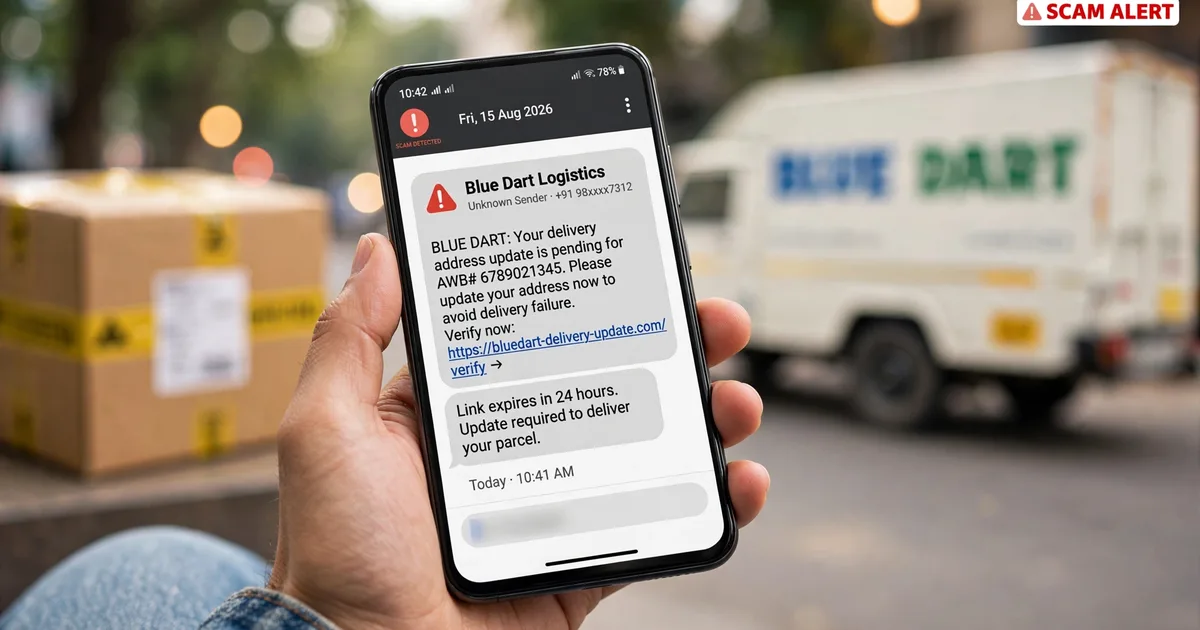
If you feel like digital fraud in India has gotten weirder and far more personal this year, you aren't imagining things. Looking closely at the latest scam alerts trends in India 2026, scammers aren't just sending clumsy lottery texts anymore. They're breaking into corporate WhatsApp sessions and dangling fake defence internships before college students. Or they're tricking ordinary folks into making instant UPI transfers under psychological pressure. Things have shifted in a big way. The tactics feel polished now. That makes them far more dangerous than the clumsy phishing links we used to see three or four years ago.
I spend hours every week combing through fresh complaints registered across regional cyber cells. In my experience, the jump in sophistication is frightening. Fraudsters study how Indian offices run and how people freeze up when someone demands urgent action. They've stopped casting wide, messy nets. Instead, they're setting targeted traps (which makes sense, actually) that look like routine business notices or desperate messages from your own family.
You just can't afford to treat cybersecurity as an afterthought today.
How the WhatsApp boss scam hijacks corporate and personal accounts
Here's the deal: corporate fraud in India has moved straight onto mobile messaging. The Union Ministry of Home Affairs recently flagged a massive surge in what cybercrime teams call the Boss Scam. Complaints have poured in through the National Cyber Crime Reporting Portal from Gujarat, Maharashtra, Delhi, and Rajasthan. It's catching experienced accountants and Chief Financial Officers completely off guard.
It starts with a file that looks totally ordinary. An employee gets a ZIP archive over WhatsApp or email titled something like Statement of Account or RBI Inspection Report. You open the attachment on your Windows computer expecting routine paperwork. But the moment you extract it, a hidden trojan drops right into your system using a trick known as DLL sideloading.
The National Cybercrime Threat Analytics Unit under the Indian Cyber Crime Coordination Centre found that organised cross-border syndicates run these attacks. Once the malware gets onto the Windows machine, it doesn't lock your screen or demand ransom. Not at all. Instead, it quietly grabs your active WhatsApp Web session token straight from browser storage. That gives the attacker direct, live control over your chats without triggering a new QR login prompt on your phone.
Then comes the trap.
The attackers start messaging people on your contact list. They automatically circulate the same infected files to internal office groups, telling team members that the finance head needs the document checked right away. Once they've taken over an account belonging to a senior executive or company director, they strike. The fraudster sends an urgent message to junior accounts staff: "I am tied up in a confidential client meeting. Wire ₹8,50,000 immediately to this vendor account to clear an urgent invoice."
Because the request comes from the boss's actual phone number and ongoing chat thread, junior staff rush to comply. By the time anyone picks up an actual telephone to double-check, the money is already gone into mule accounts spread across different cooperative banks.
If you ask me, that's why this scam works so well. It abuses workplace hierarchy rather than software bugs.
The fake Indian Army internship phishing racket targeting students
While finance professionals deal with executive impersonation, college students and recent graduates face an equally nasty wave of deception. State cyber police in Mumbai recently uncovered a widespread email scam promising paid internships with the Indian Army.
The phishing email looks official, carrying fake insignia and a crisp subject line. It claims you've been handpicked for a 75-day paid internship offering a stipend of ₹75,000 per month. Best of all, according to the mail, applicants need zero prior work experience. That sounds like a dream offer for a young graduate hunting for work in a tough market. But when candidates click the registration link, the fake portal steals their Aadhaar details and bank credentials, or demands a ₹1,500 registration fee through UPI.
State cyber cell officials checked the emails with defence authorities in New Delhi and confirmed the entire campaign is completely fake.
"Phishing remains one of the oldest methods used by cybercriminals to dupe people through fake websites, emails and malicious links," says Yashasvi Yadav, additional director general of police for Maharashtra Cyber.
The genuine Indian Army Internship Programme 2026-27 actually does exist, which makes this fraud extra sketchy. I think that's why so many smart students fall for it. There really is a genuine 75-day training program where selected candidates get up to ₹75,000 as a total stipend upon completion, not ₹75,000 every single month. Selected candidates have to keep at least 75% attendance and work under military mentorship on defence technology projects. But official defence authorities never hire through random emails. Legitimate applications happen strictly through the official AICTE National Internship Portal, and the government never asks for an application fee.
So if someone asks you for money to process an Indian Army training seat, walk away. It's a scam.
Why on-device scam detection on WhatsApp has sparked a regulatory fight
With messaging fraud blowing up, tech platforms and regulators are fighting over who should fix it. In August, Meta rolled out a technical preview of Scam Alert, an optional feature for WhatsApp designed to spot scam messages right on your phone hardware. Instead of scanning your chats on remote cloud servers, WhatsApp downloads a compact machine learning model straight to your handset. If an unknown number pings you with known scam phrasing, the phone displays an on-screen warning visible only to you.
I tested this feature myself when the preview dropped. It caught two unsolicited stock tip messages without uploading a single line of my personal chats. In my experience, that's a smart privacy design.
The Telecom Regulatory Authority of India wants a much firmer grip. TRAI is finalising its TCCCPR Third Amendment, aiming to bring OTT messaging apps like WhatsApp and Telegram under standard telecom spam rules. Telecom operators want these apps to hand over spam reports to the central Do Not Disturb registry. Regulators have even hinted that failing to comply could hurt an app's legal safe harbour protections under Section 79 of the Information Technology Act. But industry bodies like the IAMAI have pushed back hard, arguing that forcing private messaging apps to expose communication patterns to network providers is an unconstitutional grab of private data. Honestly, the legal arguments here are a bit fuzzy, and the final outcome is still up in the air.
While government bodies and tech companies fight over regulations, you can check our latest scam alerts and fraud updates to see how fast these traps change. You can also read our breakdown on modern AI tools in India to understand how automated bots generate these believable text scripts in Hindi and English.
Digital arrest calls and fake courier blackmail traps
Another disturbing trend sweeping through Indian cities is digital arrest extortion. You get an automated call claiming a FedEx or DHL parcel sent in your name to Thailand or Malaysia has been intercepted. The robocall warns that the package holds fake passports and 150 grams of narcotics.
Panic sets in fast. Within seconds, the call transfers to a man claiming he's an officer from the Mumbai Crime Branch or the Central Bureau of Investigation.
Next, they move you to a WhatsApp or Skype video call. The background is a staged police station setup (and believe me, it looks convincing on a phone screen), complete with state emblems and men in khaki uniforms. They flash a fake arrest warrant with your Aadhaar number stamped across the top. The fake officer claims your bank account is tied to international money laundering. Then comes their demand: to clear your name and avoid immediate jail, you must deposit your liquid savings into a temporary government verification account via RTGS or IMPS.
They promise the money will be refunded within two hours once the Reserve Bank of India clears the audit. Of course, no refund ever comes. The funds land in mule accounts and get pulled out of rural ATMs within minutes. And the victim is left broke.
Look, Indian law has no concept of a digital arrest. Real police officers and tax inspectors never interrogate citizens over Skype video calls. And they certainly never demand bank transfers to clear criminal investigations.
Tell-tale warning signs of modern Indian cyber frauds
Scammers tweak their scripts constantly, but their basic psychological playbook stays identical. In my experience, spotting the con comes down to recognizing manufactured panic. If you notice any of these red flags, hit the pause button immediately:
- Artificial urgency pushing you to transfer funds within fifteen minutes before an account gets blocked, an audit begins, or an exclusive offer expires.
- Unsolicited messages containing password-protected ZIP archives, APK files, or macro-enabled Excel sheets sent over WhatsApp or Telegram.
- Callers posing as Mumbai Police, CBI, or customs officials threatening arrest over video calls and demanding money transfers for verification.
- Job offers demanding an upfront processing fee, security deposit, or document verification charge via UPI before you sign an agreement.
- Payment requests asking you to enter your secret UPI PIN to receive a lottery reward, tax refund, or government scheme subsidy.
- Callers instructing you to download remote desktop applications like AnyDesk, RustDesk, or TeamViewer to fix bank KYC errors.
Remember: entering your UPI PIN always deducts money from your bank account. It never, ever credits a single rupee.
What you should do right now to protect your accounts
Protecting your money doesn't require an engineering degree. You just need solid digital habits and a healthy dose of suspicion whenever unexpected money requests hit your screen. If you ask me, basic phone hygiene stops almost all of these. Check out our step-by-step tech guides for securing Android phones and laptops against unauthorized access.
- Open WhatsApp settings on your phone, tap Linked Devices, and immediately log out any active web browser sessions you don't recognise.
- Enable two-step verification with a custom six-digit PIN on WhatsApp, Telegram, and your primary Google account so attackers can't hijack your profile.
- Never download compressed ZIP files or unknown APK files onto a Windows PC or smartphone from messaging threads.
- Verify every urgent money transfer request from colleagues, business partners, or relatives by calling their regular phone number before sending funds.
- Keep your banking and UPI apps updated through Google Play Store or Apple App Store, and never sideload financial tools from third-party links.
- Turn off automatic media downloads in WhatsApp settings so malicious scripts or media files don't download onto your phone storage automatically.
For more practical ways to keep your family protected, our guide on decoding tech simply for families walks through simple phone safety checklists that anyone can follow at home.
Where to report online financial fraud in India
If you or someone in your family sent money to a scammer, every single minute counts. Speed is everything.
Dial 1930 immediately. That's the National Cyber Crime Helpline managed by the Indian Cyber Crime Coordination Centre under the Ministry of Home Affairs. When you call within the first two hours (known in law enforcement as the Golden Hour), the helpline team can notify destination banks and freeze the fraudulent transaction before the criminal withdraws cash at an ATM.
After calling the helpline, file a formal complaint online at cybercrime.gov.in. Make sure you have transaction reference numbers, bank account details, screenshot evidence, and phone numbers ready to upload. If the incident involves malware or phishing attacks, submit an incident report to the Indian Computer Emergency Response Team through CERT-In (https://www.cert-in.org.in/).
Don't let embarrassment keep you quiet. Cybercriminals are organised syndicates running industrial-scale operations. Reporting the scam immediately gives you the best fighting chance of recovering your hard-earned money.