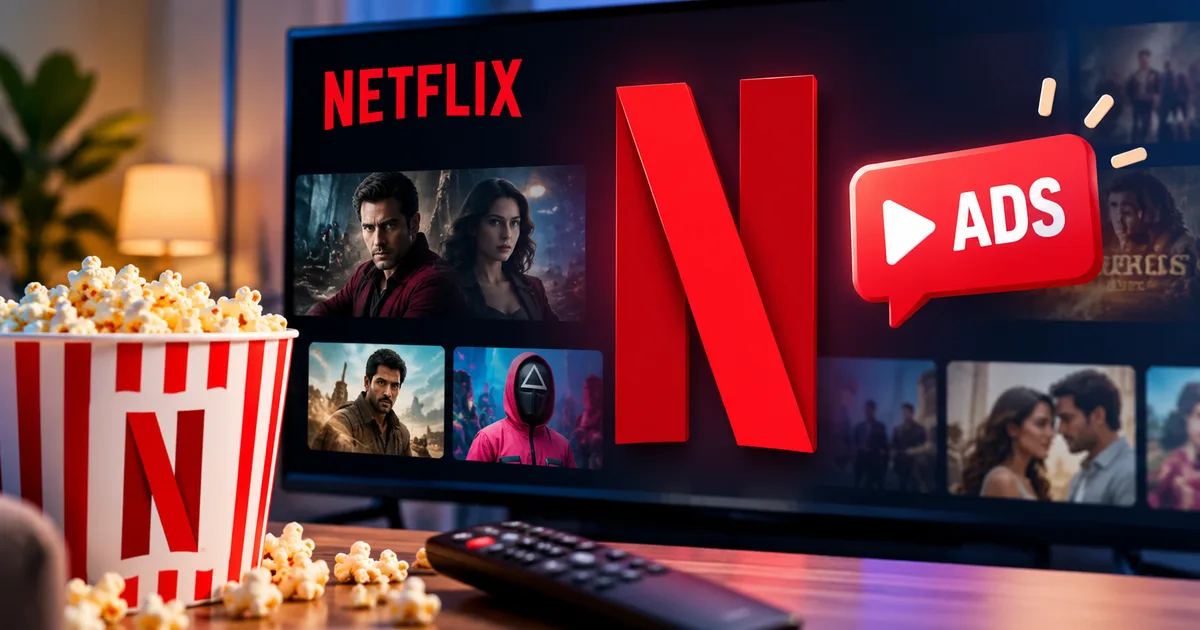
We've known this was coming for a while. The Netflix India Ad-Supported Tier 2026 Launch: Expected Pricing and Features Explained is probably the most requested topic in my inbox this month. Netflix introduced its ad-supported tier in 12 countries a while back. They skipped India initially. Now, the math has changed.
Netflix is eyeing $3 billion in ad revenue globally for 2026. APAC is surging. They really can't afford to ignore the Indian ad market anymore. So, what does this mean for your wallet and your weekend binge? I've spent the last few days reading earnings reports and digging through our Latest Tech News archives. Honestly, the reality of this new plan is a mixed bag (which makes sense, actually). You save money. And you watch ads. You also lose some shows.
Why Netflix needs an ad tier in India right now
Think about the subscriptions hitting your credit card every month. Amazon Prime takes a cut. Hotstar takes a cut. Then you add JioCinema for HBO shows, and it adds up fast. In my experience, most Indian users are hitting a wall with subscription costs. Netflix is well aware of this.
Their current mobile plan is Rs 149 per month. That gets you standard definition streaming on a single phone. It's budget-friendly, sure. But it's still a hard sell. Competitors bundle their services with telecom recharges or have massive libraries for Rs 999 a year.
Netflix has hit a plateau in pure subscriber growth. To keep the numbers going up, they need a cheaper entry point. They need a tier that relies on advertisers paying for part of your viewing habit.
The password sharing crackdown effect
There's another massive factor here. Netflix recently made major changes to shared accounts globally and in India. They started kicking people off their friends' and ex-partners' accounts. If you were freeloading on a password, you suddenly lost access. A lot of those kicked-off users want to keep watching. But they refuse to pay Rs 499 for a Standard plan.
An ad-supported tier gives them a cheap way back into the ecosystem. It's a calculated move. Kick them out of the premium tier. Then catch them with a cheaper ad-supported safety net.
The push for global ad revenue
They're projecting massive ad revenue this year. They have to prove to Wall Street that their ad viewers justify the money they are spending. Right now, Netflix needs around 250 million ad viewers globally to make the math work for their premium ad pricing. Honestly, India is the easiest place to find millions of eyeballs quickly. And they know it.
We saw a similar shift in the smartphone market recently. Companies are finding new ways to lower upfront costs by building in ads or bloatware. If you read our guide on the Mivi One 5G Phone 2026 India Launch: Expected Price, Specs and Features Explained, you know budget options are dominating right now. People want premium experiences without the high price tag. Netflix is just following that trend.
Expected pricing for the ad tier
This is the big question. How much will it cost? I don't have an official press release to quote yet. Netflix is keeping the exact Indian pricing under wraps. But we can make some highly educated guesses based on their global pricing strategy and the Indian market realities.
In the US, the ad-supported tier is significantly cheaper than the basic ad-free plan. In India, they already have the Rs 149 mobile plan. They can't price an ad tier at Rs 149. Nobody would buy it. So they have to go lower.
DemandSage and Exchange4Media point toward a sub-Rs 100 price point. A Rs 99 per month plan makes a lot of psychological sense. It breaks that three-digit barrier. It directly challenges the cheap mobile tiers from Hotstar and JioCinema.
Could they go even lower? Maybe Rs 79? I doubt it. I'm not sure exactly why they wouldn't, but Netflix still wants to maintain a premium brand image. Rs 99 feels like the sweet spot. You give up some time to watch ads, and you keep your monthly bill under a hundred bucks.
And look, if you're trying to cut costs across the board, maybe you're also looking at budget tech accessories. Check out our breakdown of the Nothing Headphone 1 2026 India Launch: Expected Price & Features for some good options there. Saving fifty bucks on Netflix means you can afford better audio gear.
What you actually get and what you lose
Paying less means getting less. That's just how this works. The ad-supported tier is completely different. They aren't just slapping commercials onto the premium plan.
Expect the following based on how the plan works in other countries:
- You'll see pre-roll ads before your show starts and mid-roll ads interrupting the content, totaling about 4 to 5 minutes per hour.
- The video quality will likely get a bump to 720p HD compared to the 480p cap on the current mobile plan, making it actually watchable on a tablet.
- Device limits will be strict, probably restricting you to just one concurrent stream at a time.
- Downloading titles for offline viewing won't be allowed, which is a dealbreaker if you rely on downloads for your daily Metro commute.
The missing content problem
This is the catch. You don't get the full Netflix library on the ad tier.
Because of complex licensing agreements with outside studios, Netflix can't show ads during certain movies and TV shows. Right now, there are around 38 movies and series blocked on the ad tier globally. The numbers here are a bit fuzzy and fluctuate, but the core issue remains.
If you want to watch a Netflix Original like Stranger Things or Squid Game, you're fine. Netflix owns those entirely. But if you want to watch licensed content, they might be locked behind a padlock icon.
In the Indian context, this could affect major Bollywood releases. Netflix licenses a ton of content from Yash Raj Films or Red Chillies Entertainment. If those studios don't agree to have their movies interrupted by ads, those films won't be available on the Rs 99 plan.
You'll click on a movie. Then the app will tell you to upgrade your plan to watch it. It's frustrating. I hate it when streaming apps do this. But that's the trade-off.
How it compares to the competition
Netflix is late to this party in India.
JioCinema has completely disrupted the market. They give you IPL cricket and HBO content for free with ads. Or you pay a very low premium fee. Disney+ Hotstar has had ad-supported tiers for years. SonyLIV relies heavily on ads for its cheaper plans too.
The difference is the user experience. Indian streaming apps are a mess with ad placements (annoying, I know). They'll cut to a loud, obnoxious ad right in the middle of a sentence. The volume levels are inconsistent. The ads repeat constantly. I've watched the same soap advertisement five times in a row on Hotstar.
Netflix usually has better tech. If they bring their ad tier to India, I think the ad breaks will be less jarring. They'll probably place them at natural scene transitions. That's a small comfort. But it matters when you're three hours deep into a binge.
If you're someone who likes reading deeply into how these companies operate, our Tech Explainers section has a lot more on the economics of Indian streaming platforms. The backend infrastructure required to serve targeted ads without crashing the app is massive.
Will you need new hardware?
Not really. If your phone or TV can run the current Netflix app, it can run the ad tier. You don't need a massive upgrade. But if you're planning to take advantage of the 720p streaming on a larger screen, this might be a good time to look at some of the new smart TVs hitting the market.
We're seeing a lot of AI integration in home entertainment this year. We covered some of this in our report on the Astra GPT 6 India Launch 2026: Expected AI Features and Pricing Explained. The tech is getting cheaper and better. A basic 4K TV is surprisingly affordable now. And AI upscaling makes even 720p look decent.
The telecom bundle factor
There's also the telecom angle. Right now, you can get Netflix bundled with certain high-end Jio and Airtel postpaid plans. If Netflix introduces an ad tier, we might see it bundled with much cheaper prepaid recharges. Imagine a Rs 399 Airtel prepaid plan. One that includes 2GB of data a day and a Netflix ad-supported subscription. That would change the market completely for rural and semi-urban internet users in India. It bypasses the need for a credit card or a recurring UPI mandate entirely.
This is how Spotify dominates the Indian audio market. They have a free tier with ads, and people use it constantly. Netflix wants that kind of presence. They want to be the default app you open when you're bored on a bus ride in Mumbai or waiting for a train in Patna.
And the advertisers want this too. Brands in India are desperate for premium video inventory. YouTube has a ton of content. But a lot of it is user-generated. Netflix has pristine, highly produced shows. An advertiser would pay a premium to have their 15-second car commercial play right before an episode of Sacred Games. It's a guaranteed attentive audience. The economics of this are exactly why they're pushing so hard for that global ad revenue target.
The UPI auto-pay trap
We need to talk about how we actually pay for things now. We pay for subscriptions through UPI auto-pay. This makes subscribing frictionless. But it also makes us forget what we're paying for every month.
When Netflix hikes prices on the premium tiers, a lot of Indian users won't even notice. The Rs 649 mandate will just hit their bank account automatically. Basically, the ad-supported tier gives cost-conscious users an explicit reason to log into their account settings and review their billing. It forces a decision. You have to actively choose to downgrade. You have to choose to sit through ads to save a few hundred rupees.
I strongly recommend checking your current UPI mandates on GPay or PhonePe right now. You might be paying for a standard plan when a mobile or ad-supported plan would completely cover your actual usage.
Should you downgrade when it arrives?
So, the big question. Should you switch to the ad tier when it finally launches here?
It depends entirely on your patience and your budget.
If you're currently paying Rs 199 for the Basic plan or Rs 499 for the Standard plan, downgrading to a sub-Rs 100 ad tier saves you a decent amount of money over a year. That's real cash you can use for something else. A thousand bucks saved on streaming is a thousand bucks you can put in a mutual fund or spend on a good dinner.
But you have to ask yourself how much you hate ads. I despise them. I pay for YouTube Premium specifically to avoid them. I'd rather pay Rs 149 for the mobile plan with no ads than Rs 99 for a plan that interrupts a movie every fifteen minutes. If you ask me, the interruption ruins the mood.
Thing is, a lot of people don't mind. If you grew up watching Star Plus or Colors, you're used to ad breaks. You use them to check your phone or reply to a WhatsApp message. Or maybe grab a snack. If that sounds like you, the ad tier makes perfect sense.
Before you downgrade, check if your favorite comfort shows are actually available on the ad tier. If they're blocked, the cheaper price isn't worth it.
Netflix hasn't given us an exact launch date yet. November was thrown around in global reports last year. But official sources indicate India might wait a bit longer. We might be looking at early 2026. We'll keep you updated. Keep an eye on your account settings. When the option appears, you'll have a decision to make.