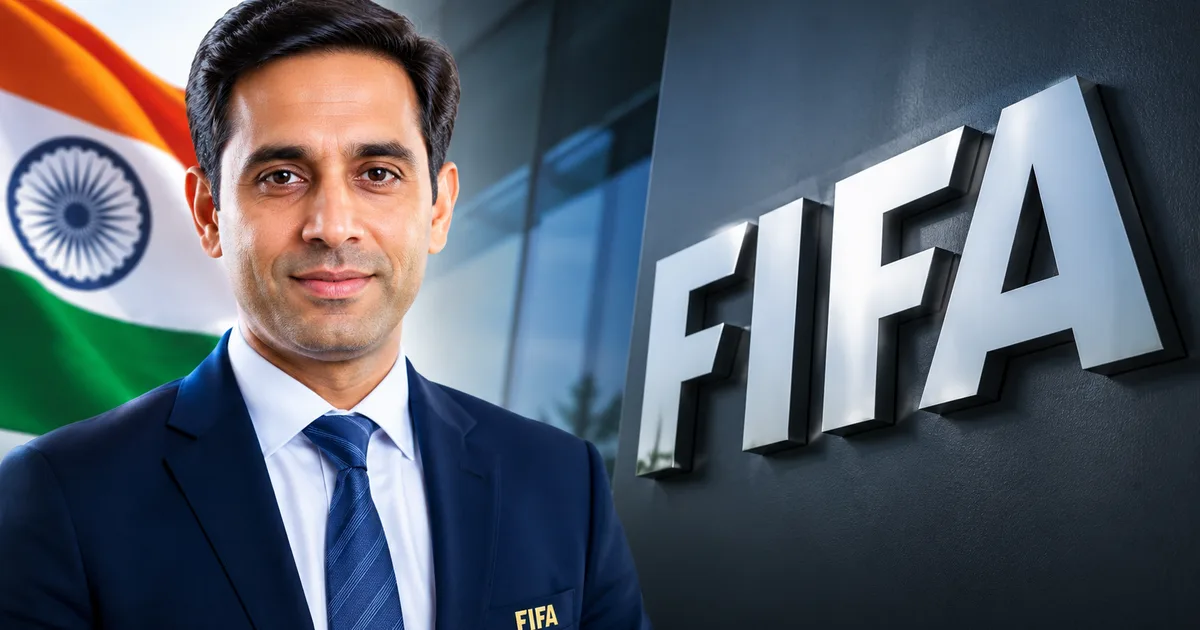
Picture this: It's a rainy Sunday evening in Kannur. A crowd is gathered around a small tea shop, arguing over whether Messi or Ronaldo is the greatest of all time. We Indians love football. We paint giant cutouts of Neymar in Kozhikode, and we stay up until 3 AM to watch European leagues, but our national team hasn't ever made it to the big stage. But things changed recently when a 19-year-old boy named Tahsin Jamshid made it into the Qatar squad. And here's the kicker: he doesn't have a Qatari passport. He holds a regular blue Indian passport. He's one of us.
Honestly, it sounds like a mistake. How can an Indian citizen play for a foreign country in the world's biggest tournament?
To understand this, you've got to look at how international football eligibility works. It's basically about how Qatar handles its massive expat population (which is huge, by the way). Tahsin was born and raised in Qatar, but his roots are in Valapattanam, a small town in Kannur district, Kerala. In my experience, Kerala football fans are the most passionate. His father, Jamshid, was a footballer who played in local leagues in Kerala before moving to Doha for work. Tahsin started playing early. He joined the academy of Al-Duhail SC and quickly showed his talent as a winger.
His journey is about talent. But it shows a loophole in sports citizenship.
How a Kerala boy made it to a FIFA World Cup squad
Tahsin Jamshid is a winger who is known for his fast running and sharp passing. He spent years training at Al-Duhail SC, which is one of the top clubs in Qatar. If you ask me, their facilities are incredible. Tahsin worked hard to make the most of what they offered. He played for Qatar in youth matches. He was so good that the senior team coaches couldn't ignore him. So when the squad for the FIFA World Cup qualifiers was announced, his name was on the list.
His family in Kannur was overjoyed. His father, Jamshid, told local news reporters that they'd never expected their son to reach this level so quickly. In Kerala, football's a religion. That is especially true in northern districts like Malappuram and Kannur. These regions are famous for Sevens football. It's a fast, aggressive version of the game played on muddy local grounds in front of thousands of screaming fans. Jamshid played this local game before moving to the Middle East. That passion was passed down to his son, who took those raw skills and polished them in Qatar's professional academies.
Seeing a local boy named in a World Cup squad is the closest Indian fans have come to having one of their own on the pitch. I think it's a huge moment for all of us. If you want to read more about how Indian players are making waves globally, check out our sports news updates.
The Indian passport holder dilemma in international football
Here's where the paperwork gets complicated. FIFA rules state that a player must have the nationality of the country they represent. Usually, you need a passport from that country. But the Citizenship Act of 1955 stops India from allowing dual citizenship. So, if Tahsin took Qatari citizenship, he'd have to give up his Indian passport immediately. It's a simple law. Under Indian law, once you get a foreign citizenship, your Indian citizenship terminates automatically.
Yet, he hasn't done that. He still holds his Indian passport.
Qatar managed to select him by using a special residency status that is sometimes given to talented athletes. In my experience, these systems can look pretty sketchy to outsiders. The Qatari government can issue sports-specific documents that satisfy FIFA's requirements without forcing the athlete to renounce their original citizenship. This document is often called a mission passport. It's a temporary travel document (which makes sense, actually) that allows foreign residents who're born or raised in Qatar to represent the country in sports. It doesn't grant full political citizenship under Qatari law. And that is why it doesn't trigger India's citizenship termination rules.
So this is how Tahsin became the first active Indian passport holder to be named in a World Cup squad. It's a unique arrangement. Honestly, it's caused a lot of discussion in the sports world.
How India's strict citizenship rules affect sports
This situation shows a major challenge for Indian sports. I think we have many players of Indian origin playing in top leagues around the world. But they can't play for the Indian national team. Why? Because they hold foreign passports.
Several other players with Indian roots have made names for themselves in international football:
- Sarpreet Singh, who plays for New Zealand
- Samuel, who represents DR Congo
- Tahsin Jamshid, who's in the Qatar squad
For example, Sarpreet Singh is a talented player who has represented New Zealand. His parents are Indian. But because he holds a New Zealand passport, he can't play for India. Under current rules set by the Ministry of Youth Affairs and Sports, only Indian citizens with Indian passports can represent the country. This means that even if a player is one of the best in the world, they can't wear the blue jersey. They can't do it if they grew up abroad and took another citizenship.
Even Overseas Citizen of India cardholders aren't allowed to play for India. The government guidelines are strict about this. The All India Football Federation has tried to lobby for relaxation in the past. But the government has stood firm. The main argument is that representing India is a privilege reserved only for full citizens who hold an Indian passport.
"The policy's clear. We only allow Indian citizens to represent India in international sports. This ensures that we focus on developing local talent, but it also means we miss out on a massive pool of overseas talent."
This rule has kept many high-quality players away from the national team. In my experience, it really holds us back. While countries like Morocco and Algeria have built strong teams by selecting players from their diaspora in Europe, India has had to rely entirely on players developed in domestic leagues like the Indian Super League and the I-League. To understand how other countries manage their athlete citizenships, you've got to check our detailed explainers on global immigration rules.
The proposed sports passport policy and what it changes
The Tahsin Jamshid case has forced the Indian government to think again. I'm not sure exactly why it took so long. But now, the Ministry of Youth Affairs and Sports has reportedly submitted a proposal for a sports passport that could change everything.
This proposed document is a special sports clearance. Instead of requiring players to give up their foreign citizenships, the government could issue a sports passport to overseas players who have Indian ancestry. While it would satisfy FIFA's eligibility rules, it wouldn't give them full political rights like voting or buying land. I think it's a smart compromise.
If this policy is approved, it could be a massive game-changer for Indian football. We could suddenly see players from the English Premier League or the German Bundesliga who have Indian roots playing for the national team. Honestly, it could help India climb up the FIFA rankings quickly.
It would also bring India in line with global practices. Many countries use similar licenses to attract talent. For a country that struggles to qualify for major tournaments, this is probably the easiest way to get quality players into the squad.
Why Indian sports fans are divided
But not everyone is happy about this proposal. Many fans and local coaches believe we should focus on building better academies in India. If you ask me, bringing in foreign-trained players is just a short-term fix that doesn't solve the real problem.
Look, here's the deal: if we just import players from Europe, what happens to the kids training in local clubs in Kolkata or Goa? They might lose their spots to players who've never lived in India. Local academies like the Tata Football Academy or the Reliance Foundation Young Champs spend crores of rupees every year to train young Indian kids.
If the national team is filled with foreign-based players, the incentive to invest in grassroots football in India might just disappear.
On the other hand, playing alongside high-quality foreign-trained players could help local players improve their game. It's a tough balance to strike. Supporters say the exposure would lift the standard of the entire domestic league system.
For now, Tahsin Jamshid is doing something special. He shows that Indian footballers can compete at the highest level, even if they have to do it in another country's shirt. I think millions of fans back home will watch his journey closely. It might just force the Indian government to open doors for more global Indian talent. If you're looking for tips on how to apply for sports grants or training in India, see our guides for athletes.