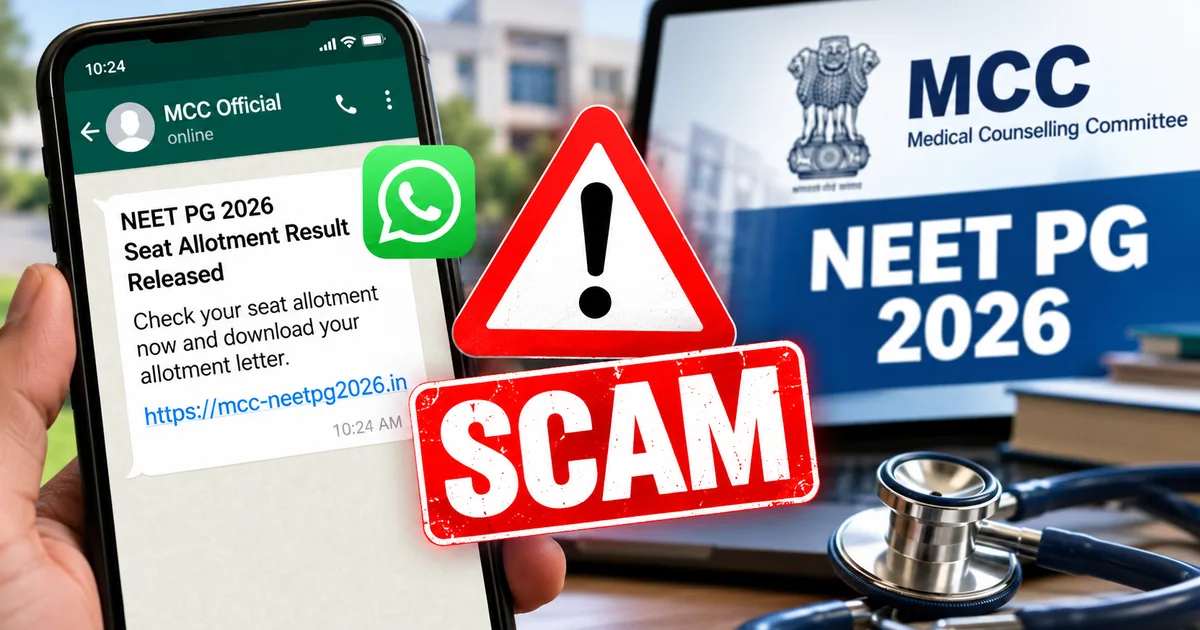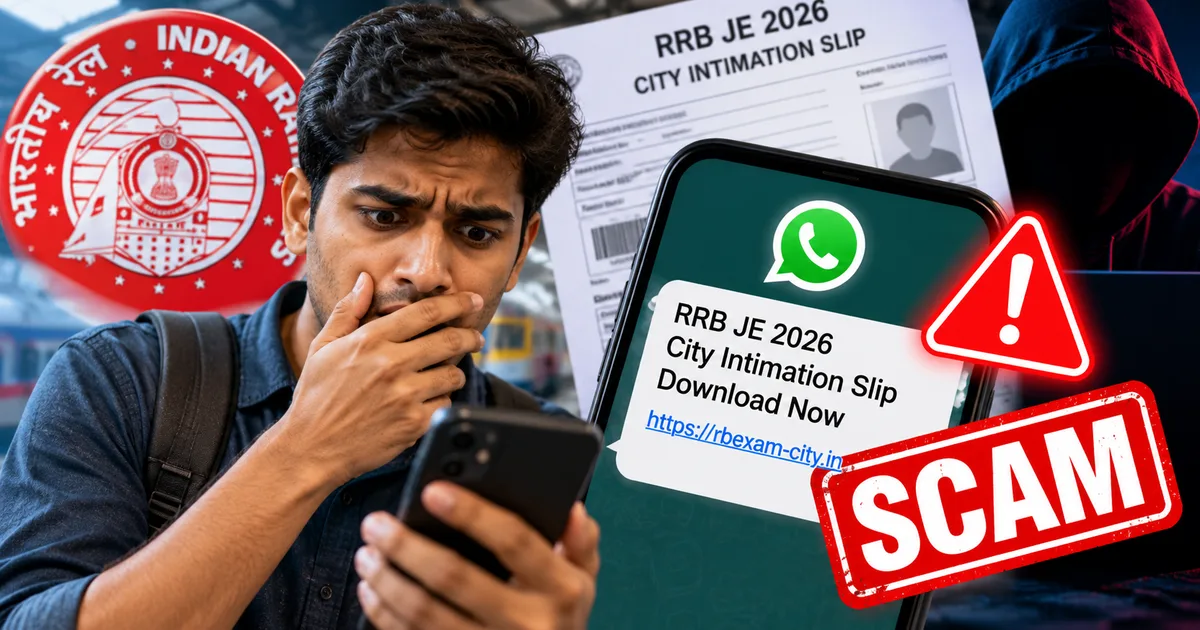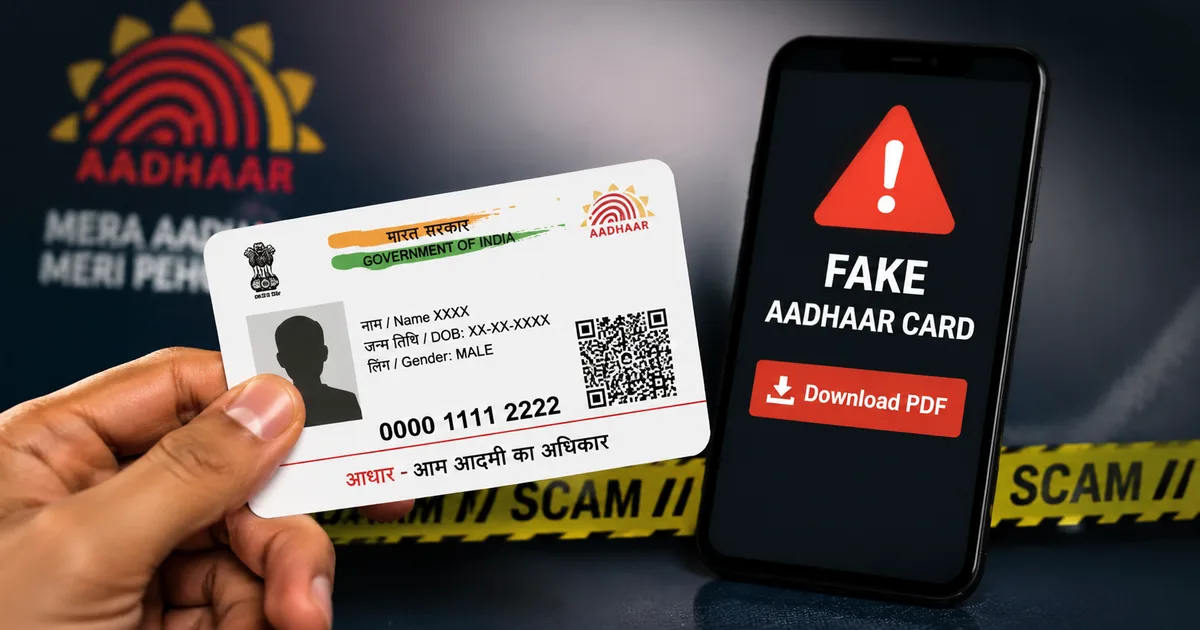
I keep getting forwards from family groups warning about Aadhaar updates. Honestly, most of them are fake. But there is a very real, very dangerous fraud happening right now. It's called the Fake Aadhaar Card Download PDF Scam 2026. WhatsApp fraudsters are aggressively targeting UIDAI users across India.
Here's the deal. Scammers send messages claiming your Aadhaar is about to be suspended. They attach a download PDF link or an APK file. Then they tell you to urgently update your details. I actually tried clicking one of these links last week on a secure test device (which was a bit sketchy, honestly). It took me to a site that looked exactly like the official UIDAI portal. It's terrifyingly well-made. They copy the exact colors and fonts of the real government website. And the layout is identical.
The government recently had to warn people about this. Why? Because these scams are directly linked to bank fraud. If you use SBI YONO or any major UPI app, your bank account is at serious risk. Scammers use these fake Aadhaar update prompts to steal your OTPs. Then they wipe out your savings. We cover a lot of these in our news section. This one is spreading faster than most. Basically, it's just so believable.
How the WhatsApp fraudsters actually work
So, how do they get you? It usually starts with manufactured panic. You're sitting at home having chai. Your phone buzzes with a WhatsApp message from an unknown number. It has a government logo as its profile picture. Sometimes they even use a verified business account tag. They buy those on the black market, if you ask me.
The process is brutally simple. First, they tell you your Aadhaar biometric update is pending. They say your card will be deactivated in 24 hours. They know people rely on Aadhaar for literally everything. From rations to EPF withdrawals. Fear makes people act without thinking. Then they include a link that says download Aadhaar PDF or update Aadhaar KYC. Sometimes it's an APK file labeled UIDAI Support. It's a mess.
If you click the link, it opens a fake website. It asks for your 12-digit Aadhaar number and your phone number. Once you enter your details, they trigger a real OTP request from the actual government site. You type that OTP into their fake site. Now they have access to your account. They can change your registered email. They can lock you out and start transferring funds.
But if you downloaded the APK instead, it installs malware in the background. This malware hides its icon. It quietly forwards all your incoming SMS messages directly to the scammers in places like Jamtara or Mewat. That includes bank OTPs. You won't even know it's happening. Not until your bank balance drops to zero.
I know, sounds complicated. It's not. It takes them two minutes to empty an account once you hand over that OTP.
Warning signs you are being targeted
Look, the UIDAI doesn't operate a WhatsApp customer service center. They just don't have time to text you individually about your biometrics. The official communication always comes via regular SMS from an official sender ID like ADHAAR. It never comes from a standard ten-digit mobile number.
You have to look for the red flags. The most obvious one is the sense of urgency. Real government processes move slowly (which makes sense, actually). If someone says you have 24 hours before your Aadhaar is deactivated, they're lying. The UIDAI gives you months of notice if an update is genuinely required. And they never threaten immediate suspension over WhatsApp.
Another massive red flag is the file format. The government will never send you an APK file on WhatsApp to install an app. Apps come from the Google Play Store or Apple App Store. If a stranger sends you a file ending in .apk, delete it immediately. Even PDF files can contain malicious scripts. That's less common on mobile phones, though. You can check our explainers on how malware actually works if you want the technical details.
And check the URL. The official website is uidai.gov.in. Scammers use weird variations like uidai-update-kyc.in or aadhaar-download-pdf2026.com. If it doesn't end in .gov.in, close the tab immediately. Fraudsters buy these cheap domains to trick people. People who just don't look closely at the address bar get caught.
What real officials can never ask
There was a recent bust in Rajasthan where two youths were caught running a fake traffic challan scam. There was another case where AI was used for Aadhaar fraud. Fraudsters are getting smart. But the rules remain the same. They rely on you forgetting the basics of digital security.
"No legitimate government official, bank employee, or UIDAI representative will ever ask for your OTP. That is the golden rule of digital safety in India."
If you get a call claiming to be from the police or customs, and they ask you to verify your Aadhaar on a Skype call, disconnect immediately. Real investigations don't happen over WhatsApp video calls. They happen in police stations with official paperwork. Scammers use these digital arrest tactics to isolate you. They try to force you to transfer money to secure accounts. Check out our scams page for more examples of how these video call frauds operate.
The real rules for Aadhaar updates
A lot of this scam works because people don't actually know what the real rules are for updating Aadhaar. The UIDAI does require updates sometimes. That makes the scam believable. For example, if your Aadhaar was issued more than ten years ago and you haven't updated it since, the government wants you to submit proof of identity and address again. This is a real policy designed to keep the national database accurate. I'm not sure exactly why they push it so hard right now.
But the way they ask you to do it is completely different from what the scammers do. The UIDAI runs campaigns on TV and newspapers. They might send a standard text message. They don't send you a PDF on WhatsApp. Also, the UIDAI has made online document updates completely free through the myAadhaar portal until specific deadlines. If a WhatsApp message asks you to pay a fee of 50 rupees through a link to update your card, it's a scam. The official online update is free. Physical Aadhaar centers charge a fixed, receipt-backed fee.
Thing is, you have to understand that updating your biometrics can't be done on a smartphone anyway. You have to physically visit an authorized Aadhaar enrollment center for fingerprints or iris scans. A machine can't scan your iris through a WhatsApp link. If an app claims to update your biometric data remotely, it's purely a data-theft tool.
The confusion around these rules is exactly what fraudsters exploit. They read the news about mandatory updates. Then they instantly create a fake campaign around it. They use the language of official government mandates to force you into compliance. If you're ever in doubt, just walk into a bank or a post office that has an Aadhaar center. Speak to a real human being. It takes a little more time. But it ensures your data is handled safely.
How to protect yourself from the UIDAI scammers
Honestly, you have to be paranoid these days. But there are practical steps you can take right now to secure your identity. You don't need to be a tech expert to stay safe. You just need to build a few good habits.
First, lock your biometrics. I can't stress this enough. Go to the official UIDAI website or use the mAadhaar app and lock your biometric authentication. You can unlock it temporarily when you actually need to use it. Like when buying a new SIM card. This one step stops a huge percentage of Aadhaar-related banking frauds. It means even if a scammer gets your Aadhaar number, they can't authenticate any transactions using cloned fingerprints.
Second, only use official channels. If you need to download your Aadhaar card, go directly to myaadhaar.uidai.gov.in. Don't click a link from an email or a message. Or use DigiLocker. It's secure. It's official. And you don't have to deal with dodgy websites. DigiLocker pulls your documents directly from the government servers. So you know they're genuine.
And turn off the setting on your Android phone that allows you to install apps from unknown sources. This stops those malicious APK files from installing even if you accidentally click them (annoying, I know). You can find this in your phone's security settings. We have a list of security tools you can install. They block spam links entirely and protect your device from unauthorized installations.
And please, talk to your parents about this. They're the prime targets for these scams. Sit down with them. Show them what a fake URL looks like. Lock their biometrics for them. Older internet users are often too trusting of anything that looks like an official government notice. You can read more about keeping seniors safe in our guides. In my experience, they really appreciate the help.
Where to report this Aadhaar fraud
Okay, what if you clicked the link? What if you entered the OTP?
Don't panic. But you have to act fast. The first 24 hours matter the most. If you suspect your bank account has been compromised, call your bank and freeze your account immediately. Don't wait to see if money goes missing. The faster you block the account, the higher your chances of saving your money.
Next, you need to report the cybercrime. The government actually has a fairly responsive system for this now. Call the national cyber crime helpline at 1930. Do this before you do anything else. The 1930 helpline can sometimes freeze the fraudulent transaction before the money leaves the banking system. The numbers here are a bit fuzzy, but it works often enough. You can also file a detailed complaint on the official portal at cybercrime.gov.in.
You should also be aware of advisories from CERT-In, the Indian Computer Emergency Response Team. They regularly publish warnings about these specific WhatsApp APK scams. You can check their website at cert-in.org.in to see the latest threats. They're the official nodal agency for responding to computer security incidents in India. Their advice is highly reliable.
The internet in India is changing rapidly. With UPI and Aadhaar linked to everything, our digital identities are worth real money. Scammers know this. They're constantly updating their tactics. You have to stay alert. Question every urgent message. Never, ever share your OTP over a phone call or a random website. Be smart out there. Protect your digital footprint just as carefully as you protect your physical wallet.