The 1TB data leak chaos and how scammers are cashing in
Look, if you bank with Bank of Baroda, you've probably had a highly stressful week. By now, you've definitely heard the alarming reports about a massive 1TB customer data leak allegedly hitting the bank. Honestly, it's the kind of news that makes anyone want to immediately check their account balance and change all their passwords. But right now, the biggest threat to your money isn't just the leak itself. It's the fake Bank of Baroda data leak compensation WhatsApp scam 2026 that's spreading like wildfire across Indian phones.
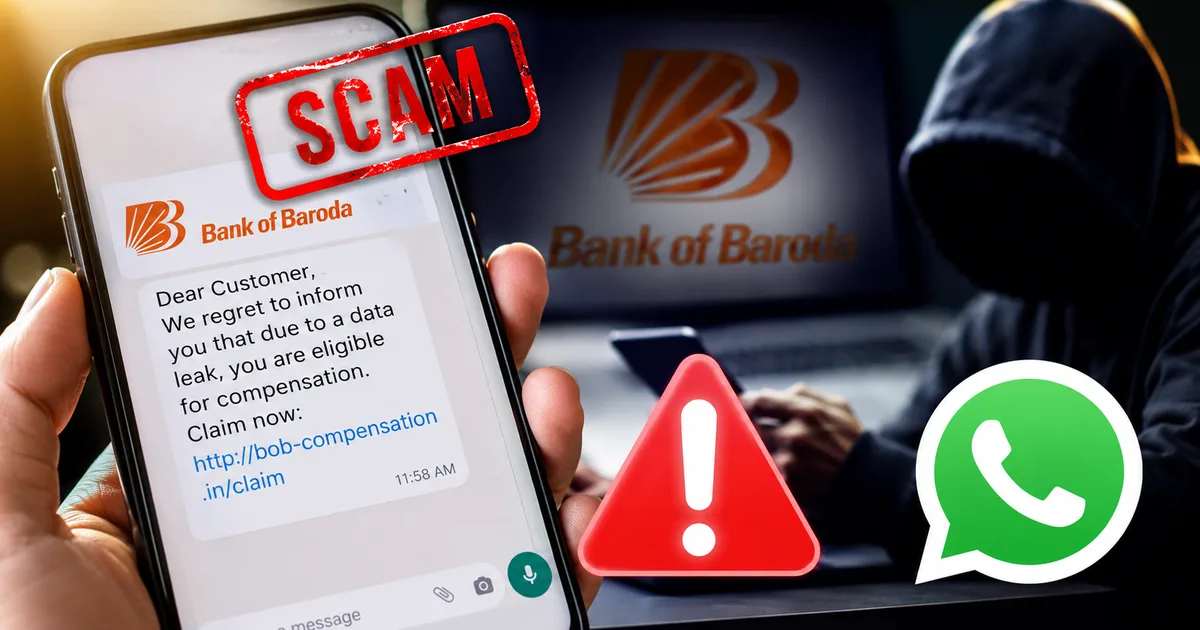
Here's the deal: cybercriminals never let a panic go to waste. They know you're worried. They know you want answers. So they're sending WhatsApp messages pretending to be official bank reps. These texts offer financial compensation for the data breach. I've seen these messages myself, and they are incredibly convincing. They use the real bank logo. The Hindi and English are formal. And they create a massive sense of urgency to push your buttons.
And people are falling for it (which makes sense, actually). When you're scared about your life savings, logic often takes a back seat. You just want the problem solved. But I'm going to walk you through how this scam operates step by step. That way, you won't become the next victim. The scammers are banking on your fear.
How the compensation scam actually works
This isn't just a simple spam message. It's a targeted operation that preys on your anxiety about the data breach. In my experience, scammers have refined their tactics over years of running UPI frauds. They are using all their tricks here. Here is exactly what happens.
Step 1: The panic-inducing WhatsApp message
You'll get a message on WhatsApp from an unknown number. Usually, it has a bank logo or an RBI logo as the profile picture. The text addresses you directly. It might even use your real name, phone number, or account details. The numbers here are a bit fuzzy, but they likely got this info from the data leak itself or from past breaches. The message says your account is compromised in the recent 1TB data leak.
Then comes the bait. The message claims the RBI mandated a compensation of ₹5,000 to ₹25,000 for affected customers. Or it claims you need to verify your account details right now to stop unauthorized international transfers. They play both angles here. Greed for free compensation. Fear of losing your balance.
Step 2: The malicious link or the deadly APK
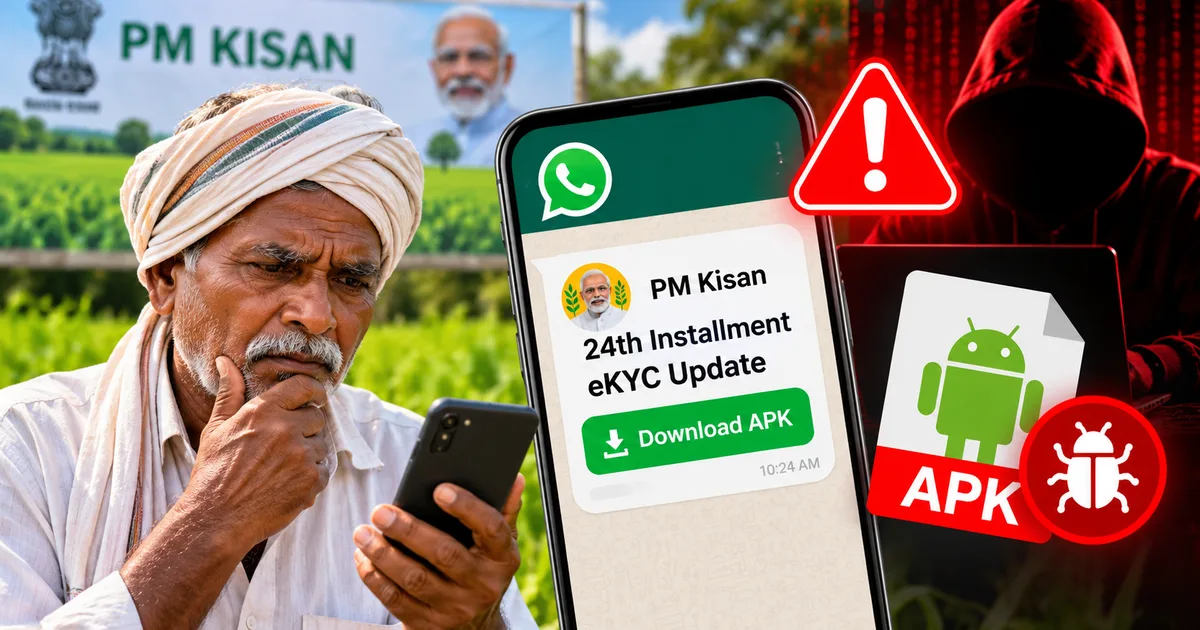
Basically, they'll ask you to do one of two things to claim this fake compensation. They might send a link to a fake website that looks exactly like the official BoB net banking page. Or they send an Android APK file. It usually has an official-sounding name like BoB_Secure_Update_2026.apk or KYC_Compensation_Portal.apk.
Never download banking apps directly from WhatsApp. Banks will only ever ask you to update apps through the Google Play Store or Apple App Store. Period.
Click the link, and it takes you to a fake login portal. It asks for your customer ID, password, and debit card number. Eventually it asks for an OTP. Type that info in, and you aren't logging in. You're handing your credentials directly to the scammer. Installing the APK is even worse (it's a total mess). That file is malware. It hides in the background of your phone and silently forwards all your SMS messages straight to the scammers.
Step 3: The rapid account drain
Once they have your login details and silent access to your OTPs, it's game over. They log into your real net banking account. Then they add themselves as a fast-track beneficiary and start transferring money out via IMPS or NEFT. Because they intercept the SMS messages, you won't see the OTP request. You won't get the debit alert from the bank until you uninstall the app or check your balance manually. I've heard stories of people losing lakhs of rupees in a matter of minutes. They were just sitting at home watching TV.
Warning signs you're talking to a scammer
So how do you tell the difference between a real bank alert and a scammer? Honestly, it's easier than you think if you know what to look for. You just have to pause. Look closely at the message.
- Banks do not negotiate or initiate payouts via a random chat message on WhatsApp. If there is a real settlement, it happens automatically to your account or through highly official, verifiable channels.
- Scammers always want you to act right now. They use phrases claiming you need to verify within hours or your account gets blocked. Real banks give you proper notice and don't threaten instant account closure over a weekend.
- Lots of these fraudulent messages come from numbers starting with +92 for Pakistan or +84 for Vietnam. Bank of Baroda is definitely not messaging you about your Indian bank account from a Vietnamese phone number.
- No bank employee, police officer, or RBI official will ever ask for your UPI PIN, ATM PIN, or OTP. If someone asks for it, they are trying to rob you.
You might want to read our other scam alerts to see how common these urgency tactics are. I think we've seen this exact psychological playbook before. They used it in the recent fake traffic challan scams and the fake electricity bill warnings.
How to protect your Bank of Baroda account right now
Look, the data leak news is scary. I completely get it. But taking blind action out of fear is exactly what scammers want. Here is what you actually need to do. Lock down your money. Protect your digital identity.
First, ignore everything about banking on WhatsApp. Just block and report the number. Don't engage with them. Don't reply. And definitely don't click anything. Engaging just marks your number as active for future spam.
Second, change your net banking password and your UPI PIN right now. Do this using the official BoB World app on your phone. You can also type the official website address directly into your browser. Don't use a search engine to find the login page. Scammers frequently buy search ads to put their fake sites at the top of the results.
Third, watch your bank statements for the next few months. If you ask me, this is the most critical step. If you see a transaction you don't recognize, even a tiny ₹1 or ₹5 test debit, call the bank. You can find the official customer care number printed on the back of your debit card. Never search for customer care numbers on Google. Scammers manipulate those results and run fake call centers.
Fourth, lock your Aadhaar biometrics via the UIDAI website or the mAadhaar app. If your details leaked, scammers might try to clone your fingerprints for Aadhaar Enabled Payment System fraud. Locking biometrics takes two minutes. It stops that dead in its tracks. You can read our guides on securing Aadhaar for more details on that.
Fifth, you should absolutely get a free copy of your CIBIL score. If scammers have your PAN and Aadhaar details from a data leak, they won't just drain your bank account. They might try to take out instant personal loans or open fake credit cards. By checking your credit report, you can see if there are any active loan inquiries. Spot a fake loan? Dispute it with CIBIL and the issuing bank immediately. I'd also recommend moving any sensitive physical documents into your official DigiLocker account. Don't keep photos of them on your phone where malware can scrape them.
Where to report cyber fraud in India
If you clicked the link, or downloaded the app, or notice money is gone, don't waste a second feeling embarrassed. Professionals design these scams to trick smart people. Speed is everything when it comes to recovery.
Call 1930 immediately. This is the national cybercrime helpline. If you call within the first few hours, they have a solid chance of freezing the fraudulent transaction in the banking system. This happens before the scammer withdraws the physical cash from an ATM or moves it to a crypto wallet. The RBI's digital fraud compensation rules protect you and limit your liability if you report unauthorized transactions quickly. But the clock starts ticking the moment the money leaves your account.
After you call the 1930 helpline and get your reference number, file a formal complaint. Do this on the government's official cybercrime portal at cybercrime.gov.in. Make sure you take screenshots of the WhatsApp messages, the scammer's phone number profile, and your bank statement. Do this before you block the number or delete anything (annoying, I know). The police need that digital evidence to build a case.
It's also a good idea to report the malicious link or app to CERT-In (the Indian Computer Emergency Response Team) through their official website. They track these massive campaigns. They can order internet service providers to block the fake domains across India. This protects thousands of other potential victims.
I know this whole situation is incredibly stressful. The idea that your data might be out there is bad enough without people actively trying to steal your savings. But staying calm is your best defense. Refuse to act on urgency. Verify everything through official channels. Share this article with your parents, your friends, or anyone who banks with BoB. They need to know exactly how this is happening before their phone buzzes with a fake compensation offer.