I get it. Finding a government job right now is tough. You're stressed, preparing for exams, and constantly checking your phone for updates. But you need to stop and read this carefully. Cyber police are actively warning about a massive scam involving fake IBPS PO 2026 recruitment messages spreading like wildfire on WhatsApp. These aren't just spam messages designed to waste your time. They're malicious links engineered to steal your bank details and empty your accounts.
Honestly, this is one of the more dangerous scams I've seen recently because it targets people when they're desperate. Scammers know you want that Institute of Banking Personnel Selection job. They know you'll click first and think later when you see a notification about new vacancies or exam dates. And that's exactly what they're counting on.
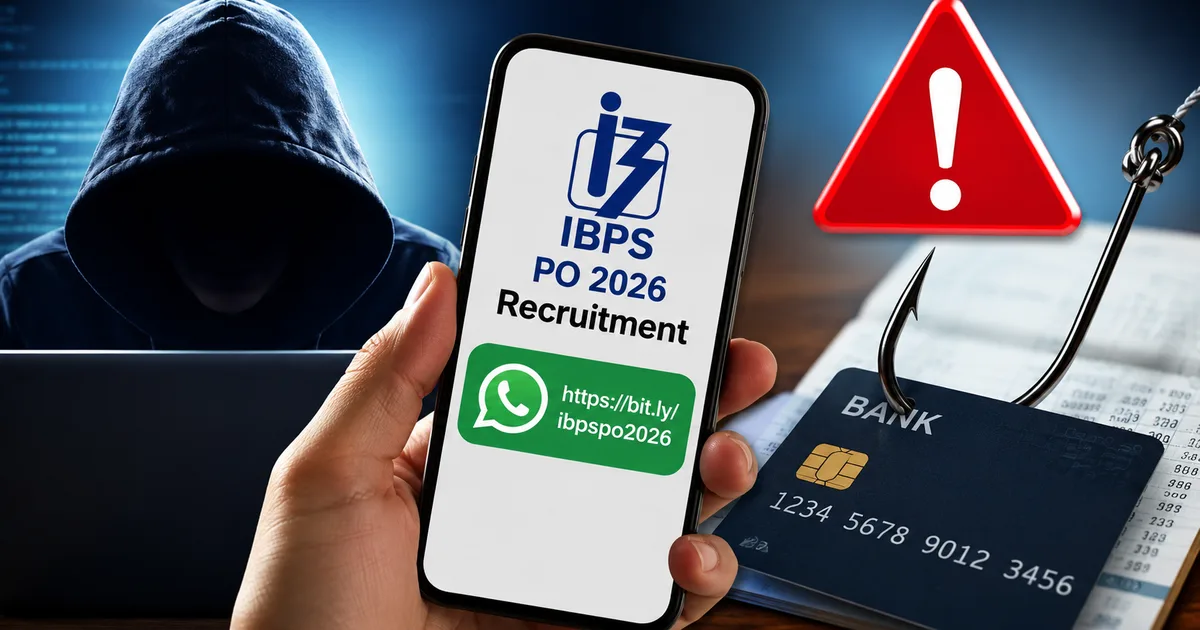
Here's the deal: thousands of aspirants are receiving WhatsApp messages claiming to be official alerts for the IBPS Probationary Officer 2026 exams. The messages look real. They use official logos and professional formatting. But they're completely fake.
What is the fake IBPS PO 2026 recruitment scam?
Basically, fraudsters are blasting out WhatsApp messages to massive groups of Indian mobile numbers. These messages claim that new IBPS PO vacancies have just been announced for 2026. Sometimes they say the application deadline is extended, or they claim you can get your admit card early through a special link.
The message always includes a link. And that link is the trap.
I looked into some of these messages being reported across Telegram and WhatsApp groups. The level of detail is frankly terrifying (which makes sense, actually). They copy the exact language from old, legitimate IBPS notifications. They mention specific age limits and educational criteria just to make the bait look perfect.
But the goal has nothing to do with jobs. The goal is financial fraud. The scammers want access to your UPI PIN or your Aadhaar details linked to your bank account. The cyber police have noted a sharp increase in complaints from students who clicked these links and suddenly lost thousands of rupees.
How this bank detail scam actually works
You need to understand the exact mechanics of this trap so you don't fall for it. It usually follows a very specific sequence. Here's how they get your money.
First, you get the WhatsApp message. It creates a false sense of urgency. It might say "Apply within 24 hours to secure your slot" or "Download admit card before server crash." So you panic. You click the link.
Second, the link takes you to a fake website. This site is designed to look exactly like the official ibps.in portal, with the same colors and the same layout. But if you check the URL carefully, it'll be something a bit sketchy, like ibps-recruitment-2026.com or ibps.gov-in.org.
Third, the fake site asks you to register or log in. It'll ask for your full name, phone number, date of birth, and Aadhaar number. (I know it sounds like standard procedure for government exams, which makes it so dangerous.)
Fourth, and this is the critical step, the site demands a "processing fee" or "application fee" of around ₹850. The numbers here are a bit fuzzy sometimes, but this is the standard IBPS fee amount, so it seems normal. It gives you options to pay via UPI or debit card.
When you try to make the payment, the payment gateway is rigged. If you enter your UPI PIN, it doesn't just take ₹850. It captures your PIN, or it initiates a much larger transfer. And if you use a debit card, it steals your card details and tricks you into sharing the OTP. Some of the more advanced links actually prompt you to download an APK file disguised as a "mandatory syllabus app." This app is malware that reads your SMS messages to intercept banking OTPs automatically.
Red flags you must look out for
You can spot these scams if you know what to look for. Look. Stop rushing and start paying attention to the details.
- The sender's number. Official government bodies do not send recruitment alerts from random 10-digit mobile numbers or international numbers. If the WhatsApp message comes from a normal phone number, it is fake.
- The link itself. Hover over the link or look at the text carefully. The official website is only ibps.in. Anything else is a scam.
- Spelling and grammar mistakes. Despite copying official text, scammers often make silly errors in the surrounding message. Look for weird capitalization or poor English.
- Requests to download apps outside the Play Store. The government will never ask you to install an unknown APK file directly from a WhatsApp link to apply for a job.
- Pressure tactics. Official notifications give you weeks to apply. Messages demanding you act "within 3 hours" are always fraudulent.
How to protect yourself and your money
I want you to be safe. You have enough to worry about with your exam preparation without losing your savings to some criminal sitting in a fake call center. Here's what you need to do.
Never trust WhatsApp forwards for official news. I don't care if your best friend or your uncle sent it to you. People forward things without checking. Always verify the information by opening a new browser tab and typing in ibps.in yourself. Check the "Recent Updates" section on the official home page. If the notification is real, it'll be there as a PDF.
Don't click links from unknown numbers. Just delete the message and block the sender immediately. It's not worth the risk.
Keep your banking apps secure. Never share your UPI PIN on any website. You only use a UPI PIN to send money from your own UPI app. So if a website asks you to enter your UPI PIN directly into their form, close the tab immediately. It's a scam.
Read the advisories from CERT-In. The Indian Computer Emergency Response Team regularly publishes warnings about these exact types of phishing attacks and malware. Staying informed is your best defense. The RBI also constantly runs campaigns reminding customers that banks and official bodies never ask for OTPs or PINs.
Use common sense. If a message promises guaranteed selection for a fee or asks you to bypass standard application procedures, walk away. There are no shortcuts in these exams.
Check out our other scam alerts to learn about similar tactics used in other sectors. You can also read our security guides on how to properly secure your smartphone against malware. If you're looking for actual legitimate tech news, our daily news updates cover verified information.
Where to report if you get scammed
Look, if you already clicked the link and entered your details, don't panic. But you need to act right now. Time is everything.
First, call your bank immediately. Tell them you suspect fraud and ask them to freeze your account and block your debit cards. Don't wait until tomorrow morning.
Second, dial the national cybercrime helpline at 1930. This is a dedicated number run by the Indian government to stop fraudulent transactions before the money leaves the system entirely. Calling them within the first hour gives you the best chance of recovering your funds.
Third, file a formal complaint on the official portal at cybercrime.gov.in. You'll need to provide the phone number that sent you the message and the link you clicked, along with any transaction details if money was stolen. Keep screenshots of everything before you block and delete the number.
Finally, warn your friends and family. Share this information in your study groups. The only way we stop these scammers is by educating everyone around us so they run out of victims. So just keep your eyes open.