Look, I need to talk to you about the fake NSE trading app scam right now. Honestly, I'm tired of reading the news every morning and seeing another person losing their entire life savings. A 46-year-old IT professional in Pune just lost Rs 4.43 crore. A project manager in Prabhadevi lost Rs 1.23 crore. A techie in Gachibowli lost Rs 1.21 crore.
This is not a small problem. It's a massive, highly organized fraud operation running right under our noses on WhatsApp and Telegram.
The numbers are terrifying. A man from Karnataka lost Rs 75.4 lakh. A homemaker in Malad lost Rs 16.15 lakh. A retired professional in Ahmedabad lost Rs 62 lakh. And a cybersecurity expert, someone who literally does this for a living, lost Rs 73 lakh. That should scare you (it definitely scares me, honestly). If a cybersecurity expert can fall for this scam, anyone can fall for this scam.
So we need to talk about exactly how they pull this off and how you can stop them.
What is the fake NSE trading app scam
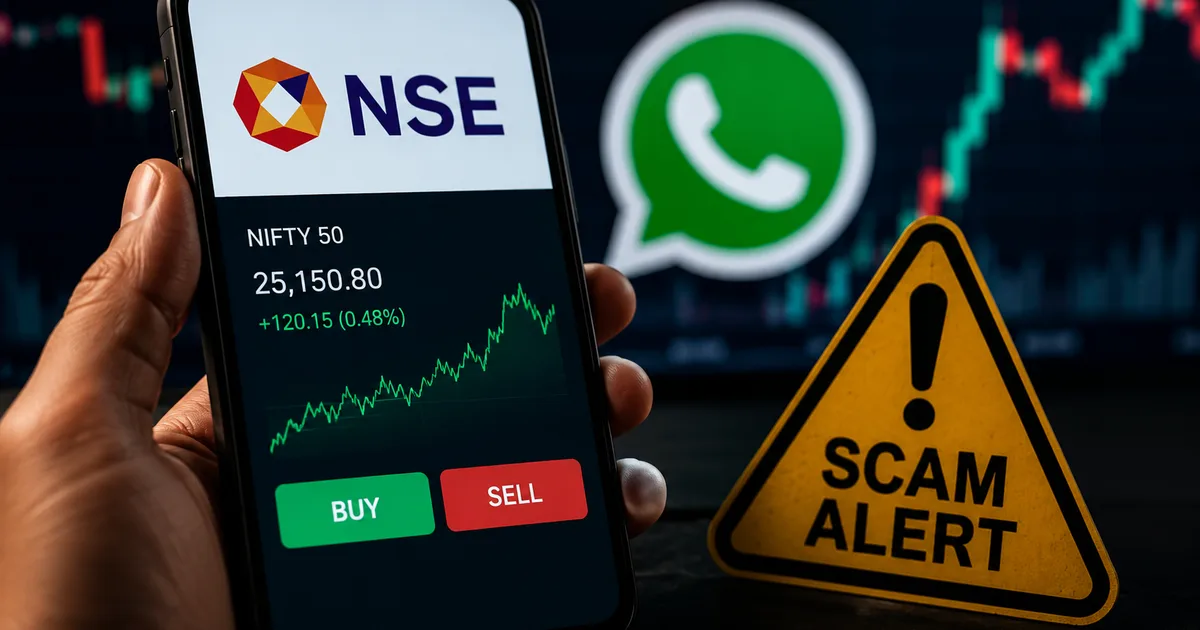
Basically, scammers are tricking people into downloading fake stock trading apps. These apps look exactly like the real National Stock Exchange (NSE) apps or popular platforms like Groww and Zerodha. They convince you to transfer money into these apps to buy stocks. Often they promise exclusive pre-IPO deals. But the app is a complete fake. The stocks aren't real. The profits you see on the screen are just numbers typed into a database by a scammer sitting in another country.
And when you try to withdraw your money, they demand a tax or a withdrawal fee. Then they block you. They disappear.
You might think you're too smart for this. I used to think the same. But these aren't the badly spelled email scams from ten years ago. They are incredibly sophisticated operations. The apps are polished and they use real company logos. They even quote real stock market news. Check out our other scam alerts if you want to see how good these criminals are getting. In my experience, people completely underestimate how authentic these fake apps look.
These scammers operate from large call centers in Southeast Asia. They use thousands of fake Indian SIM cards. I'm not sure exactly why they're so successful, but they know exactly how the Indian financial system works. They know how to manipulate people who are just looking for a way to beat inflation and build some wealth for their families.
How the WhatsApp stock manipulation groups work
The whole thing usually starts with a simple WhatsApp message or a Facebook ad. Here is the step-by-step process of how they steal your money.
Step 1: The bait
You get added to a WhatsApp or Telegram group. The name is usually something professional sounding, like "NSE Premium Stock Tips" or "VIP Investment Group". Sometimes they run ads on Facebook or Instagram promising insider tips for the Indian stock market. You click the link. You're in the group.
Inside the group, the admin claims to be a senior financial advisor or a SEBI registered expert. They post charts. They post market analysis. And other members of the group constantly post screenshots of massive profits. "Thanks to sir's advice, I made Rs 50,000 today!"
Those members are fake. They are bots or accomplices. But if you watch this for a week, it starts to look very real. They build a false sense of trust.
Step 2: The fake app download and KYC
Once you are convinced that the admin actually knows what they are doing, they make their move. They announce a special opportunity. Maybe it's a bulk trade or an exclusive IPO that normal retail investors can't access. To participate, you just need to download their institutional trading platform.
They send you a link to download an APK file. This is your first huge red flag. They will tell you the app isn't on the Google Play Store or Apple App Store because it's for institutional accounts only, or because it's in a beta testing phase.
You install the app. It asks for permissions. You give them permissions. Now they have access to your phone (annoying, I know). Then they ask you to complete a KYC process. They might ask for your Aadhaar card details or your PAN card. They use this information to make the process feel real. But they also steal your identity.
Step 3: The initial investment and fake profits
They tell you to start small. Transfer Rs 10,000 via UPI. You do it. A few hours later, your account balance in the app shows Rs 12,000. They tell you to withdraw Rs 5,000 just to prove it works. You initiate the withdrawal, and the money actually hits your real bank account.
This is the hook. They let you withdraw a small amount so you trust the system. It's a classic confidence trick. Once you see real money come back, your defenses drop.
Step 4: The big steal
Now they push you. "If you invest Rs 10 lakh, you'll make Rs 3 lakh by Friday." You see other people in the WhatsApp group doing it. You transfer the money. The app shows your balance going up. Rs 10 lakh becomes Rs 15 lakh. Rs 15 lakh becomes Rs 25 lakh.
You decide to withdraw your profits. This is when the trap snaps shut.
The app shows an error. The admin messages you privately. "You need to pay a 20% capital gains tax before you can withdraw your funds." Or they claim there is a server maintenance fee. They demand you transfer more money to unlock your existing money.
If you pay the fee, they make up another excuse. They will keep bleeding you dry until you realize it's a scam or run out of money. Then they block your number and delete the WhatsApp group.
Warning signs you should never ignore
You can protect yourself if you know what to look for. These are the bright red flags that scream fraud.
- You are added to a WhatsApp or Telegram investment group without your permission.
- The "expert" promises guaranteed returns. The stock market does not have guaranteed returns.
- You are asked to download an app via a direct APK link or a random website instead of the official app stores.
- The app asks you to transfer money to a personal bank account or a random UPI ID instead of a registered company account.
- They pressure you to invest quickly because the "opportunity is closing soon".
- They demand taxes or fees paid upfront to process a withdrawal. Real trading platforms automatically deduct taxes and fees from your balance.
If you see even one of these signs, walk away immediately. It is better to miss out on a good investment than to hand your life savings to a criminal. I can't stress this enough.
How to protect yourself from fake trading platforms
The Securities and Exchange Board of India (SEBI) and the National Stock Exchange have both issued multiple warnings about this exact scam. You need to be proactive about your digital safety.
First, never invest based on WhatsApp tips. If someone really had a secret formula to make millions in the stock market, they wouldn't be sharing it for free in a WhatsApp group with random strangers.
Second, only download trading apps from official sources. The Google Play Store and Apple App Store aren't perfect. But they are infinitely safer than a random link sent to you on Telegram. If an app claims to be the official NSE app but isn't in the official store, it's a fake.
Third, verify the registration of the broker or advisor. You can check the SEBI website to see if an entity is actually registered with them. If they aren't on the list, don't give them your money. No exceptions.
Fourth, be very careful with UPI payments and bank transfers. Check the name that appears when you enter the UPI ID. If you are supposed to be transferring money to a massive financial institution, the account name shouldn't be "Rahul Kumar" or a sketchy string of letters.
You can read more about safe online practices in our general security guides.
The Indian Computer Emergency Response Team (CERT-In) regularly issues advisories regarding malicious apps spreading via messaging platforms. They advise users to disable the 'install from unknown sources' option on their Android devices to prevent accidental installation of malware.
What to do if you have been scammed
If you realize you have fallen for the fake NSE trading app scam, you need to act extremely fast. The quicker you act, the higher your chances of recovering some of your money. It's difficult. But it isn't impossible.
Don't confront the scammers. Don't tell them you know it's a scam. Just stop communicating with them.
Immediately call the national cybercrime helpline at 1930. Do this before anything else. The 1930 helpline can sometimes freeze the fraudulent bank accounts if you report the transaction fast enough. Every minute counts.
Next, file a formal complaint on the official government portal at cybercrime.gov.in. Provide them with everything you have. Screenshots of the WhatsApp chats. The APK file if you still have it. The UPI IDs and bank account numbers you transferred money to. Transaction IDs from your bank.
Then, contact your bank. Tell them that the recent transactions were fraudulent. They might not be able to reverse the transfer if you authorized it, but they need to know. They can monitor your account for further suspicious activity.
Finally, gather all your documents, including your Aadhaar card and bank statements, and visit your local police station to file a First Information Report (FIR). Ensure the FIR specifically mentions cyber fraud and the relevant sections of the Information Technology Act. Don't let the police tell you it's a civil matter.
I know it's embarrassing. People feel ashamed when they get scammed. They think they were stupid. But these criminals are professionals. They use psychological manipulation and high-pressure tactics. Don't let embarrassment stop you from reporting the crime. Your report could prevent someone else from losing their money.
We are seeing this happen every single day. The amount of money leaving India through these scams is an absolute mess. Stay vigilant and warn your parents. Never trust a WhatsApp message promising easy money.