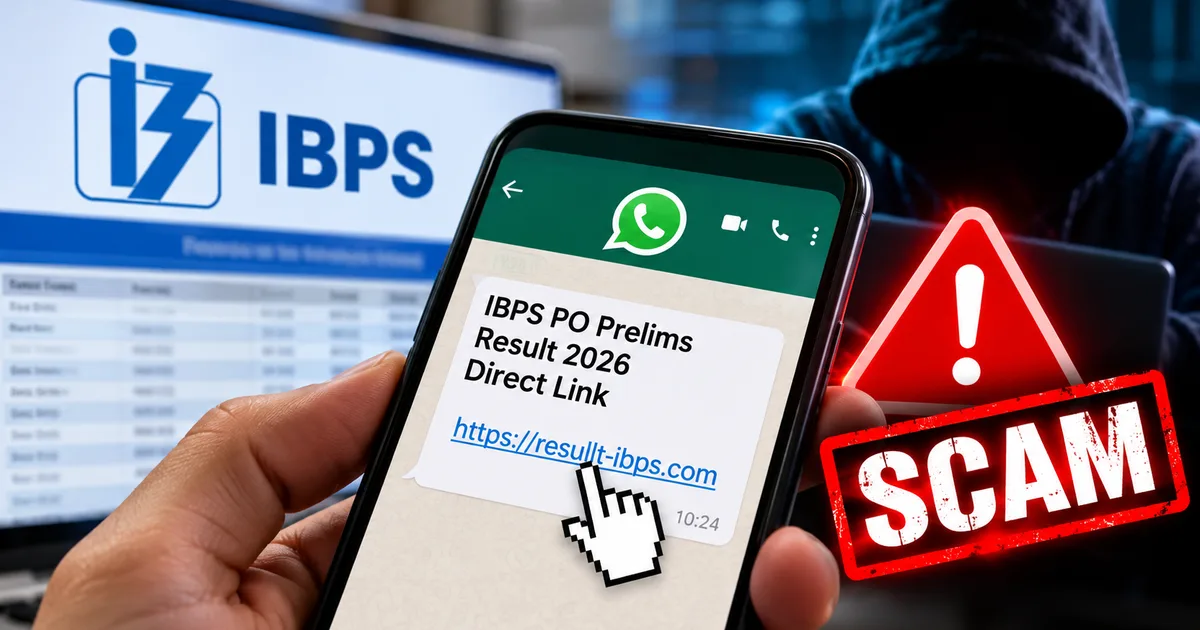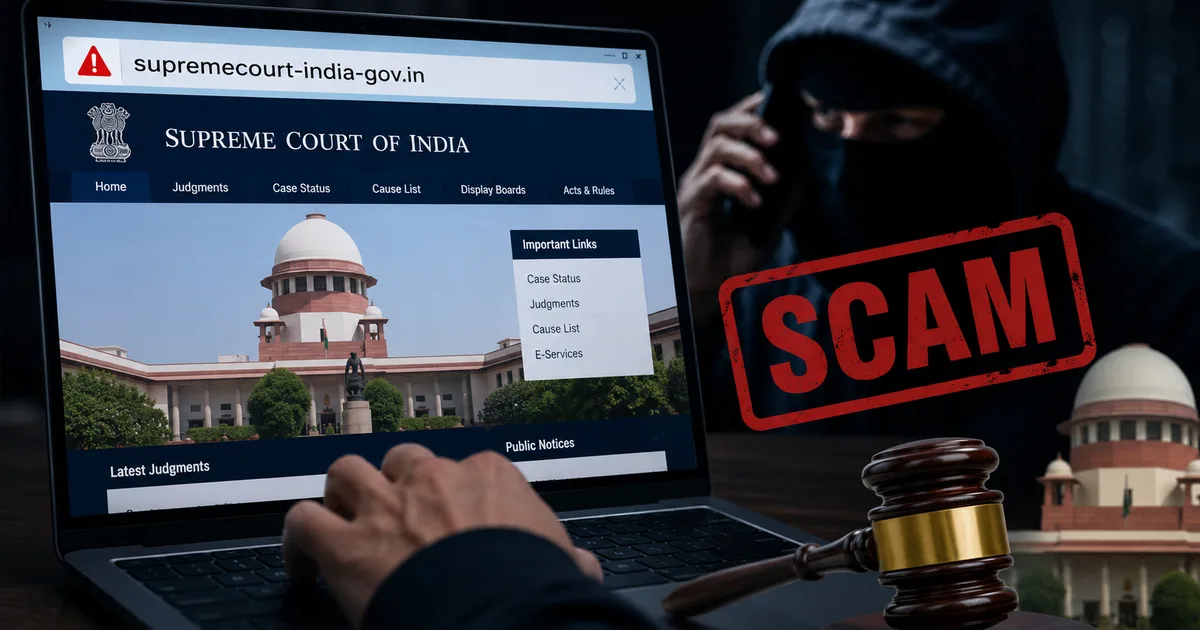
The Central Bureau of Investigation recently raided 80 locations across India to bust a massive digital arrest scam. This network defrauded hundreds of citizens by posing as law enforcement officers. They even created a clone of the official portal, building a fake Supreme Court website to convince victims. Under the name Operation Chakra-VI, the agency deployed 60 special teams across 16 states. They arrested two main operatives who managed shell companies to launder the stolen money. If you think this can't happen to you, think again. These fraudsters are highly organized.
I talked to a friend yesterday. (He almost lost all his life savings to a similar trick, which makes sense, actually, given how professional they look.) If you ask me, it starts with a simple WhatsApp call. Boom. Suddenly, you're looking at someone in a police uniform. And then they show you a document with official seals. Your mind panics. That's exactly what these criminals count on.
What is CBI Operation Chakra-VI and who did it target?
Basically, the recent crackdown by the CBI targets a wide network of cybercriminals. Officers conducted searches in states like Punjab, Haryana, Gujarat, Uttar Pradesh, Maharashtra, Madhya Pradesh, Tamil Nadu, Telangana, and Andhra Pradesh. They found that the operation was structured like a corporate business. It's a mess. There were call centers, technical developers, shell company operators, and bank account providers. The agency's official press release reveals that the fraudsters operated more than 200 cases of online extortion.
Some think this is a small-scale operation. Honestly, it's a highly structured industry. The two guys arrested in this operation were responsible for creating shell companies. They existed only on paper. (Which makes sense, actually, if you want to stay hidden). Their sole purpose was to receive stolen funds and route them through multiple bank accounts. In my experience, this process makes it really hard for the police to trace the money. And they moved crores of rupees out of India within minutes of a victim transferring the funds.
The investigators discovered that these shell companies were registered using forged Aadhaar cards. Scammers used the credentials of innocent people who had no idea their names were being used to run a multi-crore fraud. Once the money hit these business accounts, it was quickly converted into cryptocurrency or transferred to offshore accounts. Look, this shows how deep the network goes.
Basically, the scam relies on a mule network. These are bank accounts rented from poor or unsuspecting individuals. (Which is a massive risk, obviously). If you share your account details for a small commission, you're helping these cartels. And the government is tracking these accounts closely now.
How fraudsters used a fake Supreme Court website to trap victims
I think the scariest part of this operation is the level of technical detail the scammers used. They registered a domain name that looked almost identical to the official Supreme Court of India portal. When a victim expressed doubt, the scammer sent a link. (A sketchy link, obviously). The victim opened the page. They saw a list of cases. And their own name was listed under charges like money laundering and drug trafficking.
Honestly, the fake website looked exactly like the real one. It had the national emblem, names of current judges, official-looking notice boards, and even fake signatures. By clicking a fake search button, the victim would see their own Aadhaar number linked to a criminal case. But this high level of customization is what made the scam incredibly convincing.
So how do they actually pull this off? Here's the step-by-step process.
- The first contact comes via an automated call or a WhatsApp message. The caller claims to be from a courier company. They tell you that a parcel containing illegal items, like drugs or fake passports, has been intercepted in your name.
- To clear your name, they transfer the call to a fake police officer. This person is usually sitting in a room that looks like a real police station. They wear uniforms and use official logos.
- They instruct you to download a video calling app like Skype or Zoom. They order you to keep your camera on. They call this a digital arrest. You are told you can't leave the room, make calls, or message anyone.
- They send you a link to the fake Supreme Court website. You see a warrant with your Aadhaar number. They tell you that the Chief Justice has signed the order.
- The fake officer offers a way out. They say they can do a priority verification of your funds. They tell you to transfer your money to a government safeguard account. They promise the money will be returned after the check. Of course, once you transfer the money, it's gone.
Honestly, it's easy to say you'd never fall for this. But when you're isolated in a room with someone shouting legal terms at you, panic just takes over. And the pressure is intense. I mean, people have lost their entire life savings in a matter of hours.
According to a senior cybercrime officer, the psychological pressure of a digital arrest is so high that victims lose their ability to think rationally. They feel isolated and believe they are helping the police.
Warning signs of a digital arrest scam setup
Look, you need to know the red flags. These scammers use specific patterns to pressure their victims. (Which is a total nightmare). In my experience, if you know what to look for, you can spot the fraud before it's too late.
Here are the main warning signs.
- Any demand to stay on a video call continuously. Real police officers don't conduct investigations by keeping you on Skype for hours.
- Demands for immediate secrecy. If they tell you not to speak to your spouse, children, or friends, it's a scam. They want to prevent you from getting a second opinion.
- Payment requests to clear your name. No government department or court will ask you to transfer funds to a private bank account for verification.
- Urgency and threats of immediate physical arrest. They'll tell you that police are on the way to your house right now. This is a psychological trick to stop you from thinking clearly.
- Documents sent via WhatsApp. Official warrants are served in person or via registered post, not through chat apps.
Scammers also use WhatsApp profile pictures featuring police insignia, the national emblem, fake ID badges, or logos of agencies like the CBI and customs departments. They might even show these fake ID cards on the video call. Don't be fooled by these visual tricks. (Honestly, anyone can download a logo from the internet).
CERT-In, which is the national cyber security agency, has released multiple warnings about these tactics. You can read more about security updates on the CERT-In official portal. Honestly, they say government officials don't use personal messaging apps for official tasks.
How to protect yourself and where to report these scams
If you get a call like this, the first thing to do is hang up. Don't argue. (It's a trap anyway). Just end the call right away.
Here's the deal: you have rights. No law enforcement agency in India can arrest you digitally. There's no such thing as a digital arrest in the Indian Penal Code or any cyber law. If someone claims you're under digital arrest, they're lying.
A real police investigation requires a physical warrant issued by a court magistrate. If officers want to question you, they'll issue a written notice. They'll ask you to visit the police station in person. And they certainly won't sit on a Skype call to watch you in your bedroom.
But if you've already shared information or transferred money, you need to act fast. Honestly, every minute counts.
Use these steps to respond right away.
- Call the national cybercrime helpline immediately on the 1930 helpline number. This service is connected to banks and can block the transaction if you call quickly.
- File a formal complaint on the government portal at cybercrime.gov.in. Provide all details, including the phone numbers, transaction receipts, bank accounts, and screenshots of the chat.
- Inform your bank immediately to freeze your accounts and cards.
- Report the numbers on WhatsApp or the calling app you used.
Remember, police officers never arrest anyone online. They don't use video calls to take statements. If someone contacts you claiming to be an officer and demands a video call, just hang up and report them.
We've written about other online threats in our cyber scams section. And you can also read our detailed guides on how to secure your digital footprint. (It's not that hard, honestly). Securing your UPI and banking apps is the best way to prevent unauthorized access.
The CBI raids under Operation Chakra-VI show that the government is fighting back. But law enforcement can't be everywhere. So your safety depends on your awareness. Please share these tips with your parents and older relatives. They're often the primary targets for these schemes because they respect authority and probably don't know about these new digital tricks. Take a breath, talk to a family member, call a local police station to verify, or report it to 1930. Don't let panic make your decisions.