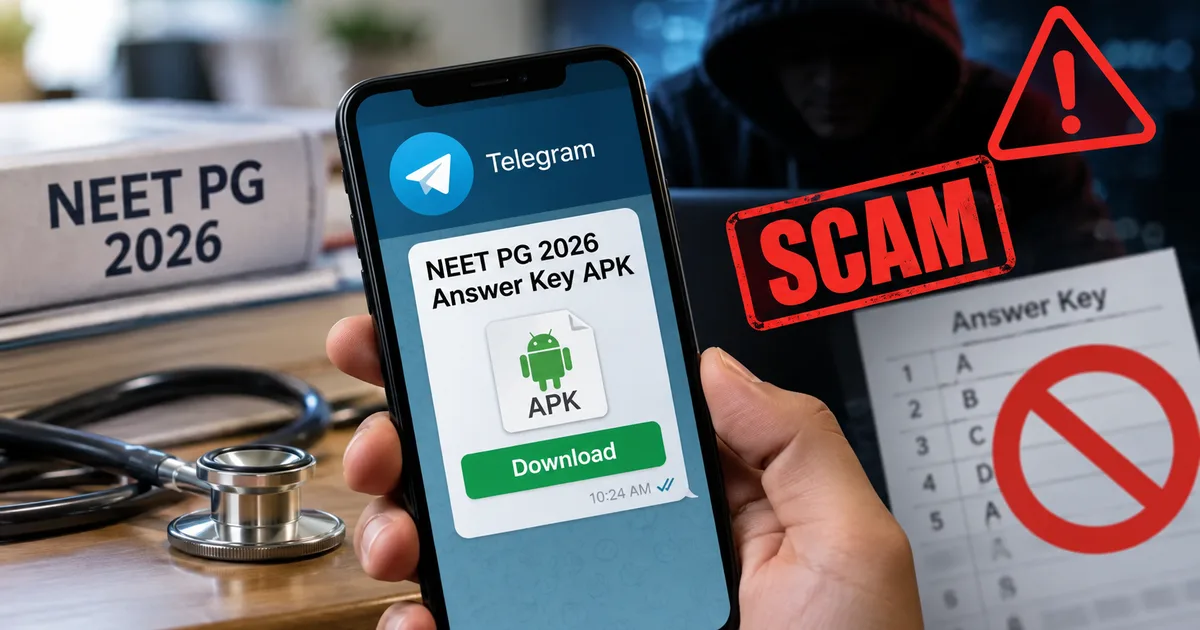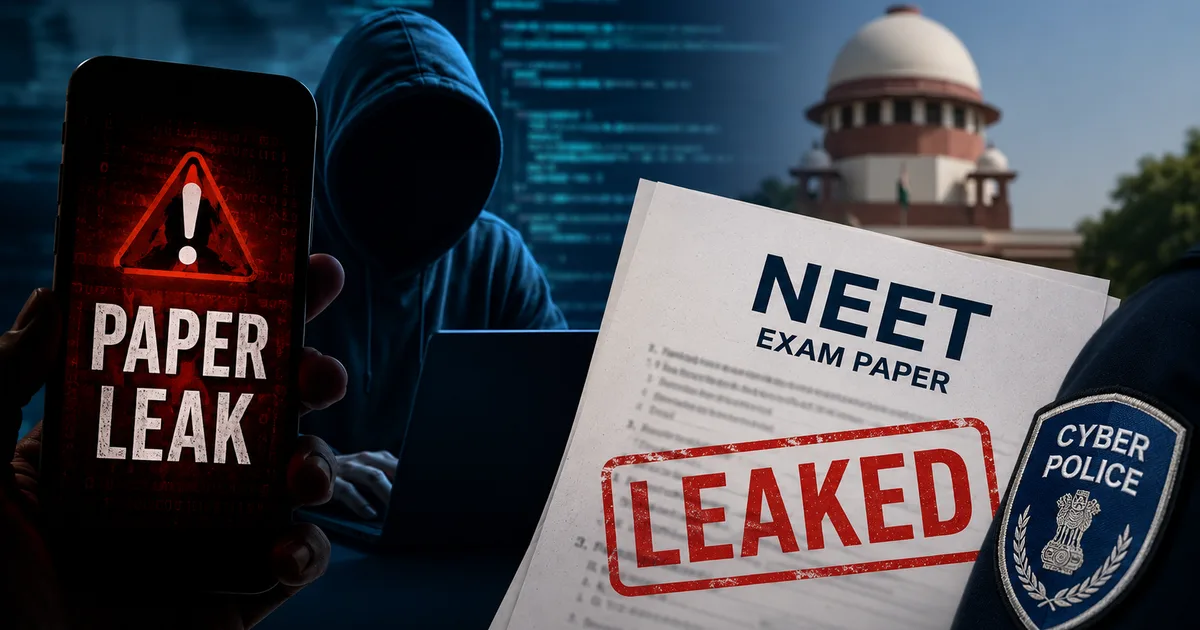
Preparing for medical entrance tests in India is already a high-pressure ordeal, but the recent news from Gujarat makes it even more stressful. If you or your kids are gearing up for the upcoming test, you've got to know about the fake NEET re-exam paper leak scam spreading like wildfire on social media. Scammers are exploiting students' extreme anxiety by claiming to sell leaked question papers on popular messaging apps. Thing is, there's absolutely no leak. It's a pure trap designed to steal your hard-earned money when you're at your most vulnerable.
Look, I get the stress. If you ask me, the NEET exam's controversy has made things worse, and when a re-exam's announced, the panic levels shoot through the roof. You start worrying about your preparation and your rank. That's exactly when these online thieves strike. They know you're desperate. They know your parents'll spend whatever it takes to secure a medical seat. So they build these traps.
The National Testing Agency, or NTA, and cops're trying to clean up these channels. It's a mess. But as we know, when police take down one channel, three new ones pop up. It's basically a game of whack-a-mole (which makes sense, actually, given how easy it is to create a channel) with your money and peace of mind on the line.
The Ahmedabad Cyber Crime warning and police investigation
Let's look at what happened. The Ahmedabad Cyber Crime Police recently busted a massive web of fraud targeting medical aspirants. They caught two men from Rajasthan. These guys ran multiple Telegram channels, claiming they had access to leaked papers. They charged Rs 5,000 to Rs 10,000 per paper. Parents and students, desperate to secure a seat, paid up without thinking twice. Honestly, if you ask me, the pressure is just insane. But paying some anonymous Telegram guy for a leaked paper is a recipe for disaster.
The cops didn't just catch them by luck. The NTA itself flagged these fraudulent channels to the cyber police after they noticed claims of paper sales. When the cops analyzed the bank accounts of the arrested men, they found sketchy transactions totaling over Rs 1.5 crore. That's not a small operation run by some school kid. This was a structured racket.
They used mule accounts to receive the UPI payments. They're just bank accounts rented from poor labourers for a few thousand rupees. It's a simple trick. This makes it incredibly hard for the police to trace the actual boss behind the curtain. (Which, by the way, is a growing headache for Indian cyber squads).
And here's the kicker. The police didn't recover a single leaked exam paper. Not one. The scammers didn't have access to any official documents. They simply downloaded old mock tests. Then they renamed the files to look like the upcoming re-exam papers before selling them. Basically, they took the money and vanished. This left students with empty pockets. The money trail didn't even stop at exam fraud. The investigation shows that the funds collected from students're quickly diverted into active betting and gaming websites. So, the money meant for a student's future ended up funding illegal online gambling rackets.
"The accused had no access to any genuine NEET question papers. They exploited student anxiety to run a massive financial fraud linked to illegal betting and gaming networks," according to the official statement from the Ahmedabad Cyber Crime Police.
How the Telegram paper leak fraud works step by step
It helps to know exactly how these fraudsters operate. That way, you can spot the trap before it's too late. They rely on speed and high pressure to make you act before you think. Here's how they build the trap.
Step 1: setting up the bait
First, scammers create public Telegram channels with names like NEET UG Leaked Papers 2026 or NTA official leak group. They use official NTA logos as channel icons. This is to look legitimate. To make the channel look popular, they buy fake members. A channel might show 50,000 subscribers. But almost all of them're inactive bots. It's done to gain your trust instantly because we associate high member counts with credibility.
Step 2: creating fake proof
To convince you they're the real deal, they post edited screenshots. You'll see chats of happy students. They're thanking the admin for helping them score 700+ marks in previous exams. (Which, for the record, I think is ridiculously easy to fake using online chat generators). They also upload blurred PDFs of sample pages to tease desperate buyers. They claim these're pages from the actual question paper. In reality, they're just random questions from old test papers.
Step 3: demanding quick payment
Once you message the admin, they'll tell you that slots're extremely limited. They'll say only three papers're left. They'll also claim the price doubles in ten minutes. They'll send a UPI QR code or a bank account number to transfer the money immediately. They never accept cash-on-delivery or post-exam payments. They want the money right now. Because they know that if you have time to think or talk to a teacher, you'll realize it's a scam.
Step 4: the final block
What happens after you pay? Usually, they'll instantly block you on Telegram. You can't search for the channel anymore, and your money's gone. In some cases, they'll send a password-protected PDF. It never opens. Then they demand another Rs 5,000 for the password. Because you were trying to buy a leaked paper, you might feel too ashamed to tell your parents or cops. The scammers count on this silence. It helps them keep running their racket without getting caught.
Warning signs of a fake paper leak scam
Honestly, it's not that hard to spot these scammers if you keep your emotions in check. Just look out for these red flags:
- Any channel claiming to have confidential or secret NTA files. No one has access to these files, and if they did, they would not sell them on a public app for Rs 5,000.
- Demands for urgent UPI transfers to personal bank accounts. Legitimate coaching centres or services will always use registered business accounts.
- Anonymous admins who refuse to share their real names or phone numbers. If they are hiding behind a screen name, they are hiding from the law.
- Use of high-pressure language urging you to pay before slots run out. This is a classic sales tactic used to bypass your logical thinking.
- Offers that sound too good to be true, like promising a guaranteed 720 score or providing answer keys that match the papers exactly.
If you see these signs, leave the group immediately. Don't interact. Don't share your roll number or admit card details. Scammers can use this info to blackmail you. They'll threaten to report you to the NTA for trying to buy leaked papers.
How to protect yourself and your family
As a student or parent, the pressure can make you do things you'd normally never consider. But you've got to protect yourself. In my experience, talking to teachers is always best. Their advice is simple: trust your preparation. There are no shortcuts to clearing one of India's toughest exams. If you try to find a shortcut, you'll only end up losing money and risking your academic career.
If you want to stay safe, just follow these basic steps:
- Get all your exam updates only from the official NTA website. Do not rely on forward messages on WhatsApp or Telegram. If it is not on the official site, it is not real.
- Never share your personal documents, Aadhaar details, or NEET admit card with strangers online. This data is highly valuable and can be used for identity theft.
- Be highly skeptical of any claims about leaked papers. NTA has secure protocols, and any leaks are heavily investigated by central agencies.
- Keep an eye on the latest security advisories from the Indian Computer Emergency Response Team (CERT-In) at https://www.cert-in.org.in/. They frequently post alerts about trending online scams and how to avoid them.
We've got a dedicated section on scam alerts that covers similar admission frauds. Also, read our preparation guides to study effectively. They'll keep you from falling into these traps. Make sure to check the latest news updates regularly.
Where to report exam fraud in India
If you've been targeted by these Telegram fraudsters, don't stay silent. Stop them. I think reporting the crime is the only way. Otherwise, they'll just keep cheating others. Many students fear they'll get into trouble if they report. But the police're focusing on the networks of criminals who're stealing lakhs of rupees from vulnerable families.
Here's what you need to do immediately:
- File a complaint on the official National Cyber Crime Reporting Portal at cybercrime.gov.in. You can do this online from the comfort of your home.
- Call the national cybercrime helpline number at 1930. This hotline is active 24/7 and can help block the scammer's bank accounts if you report the transaction quickly.
- Keep all screenshots of the Telegram channel, UPI payment receipts, and chat history. These are important evidence for the police.
Remember, trying to buy a leaked paper is illegal. But reporting a scammer is your right. The police're there to catch the criminals, not to punish victims of fraud. Just do the right thing and report them.