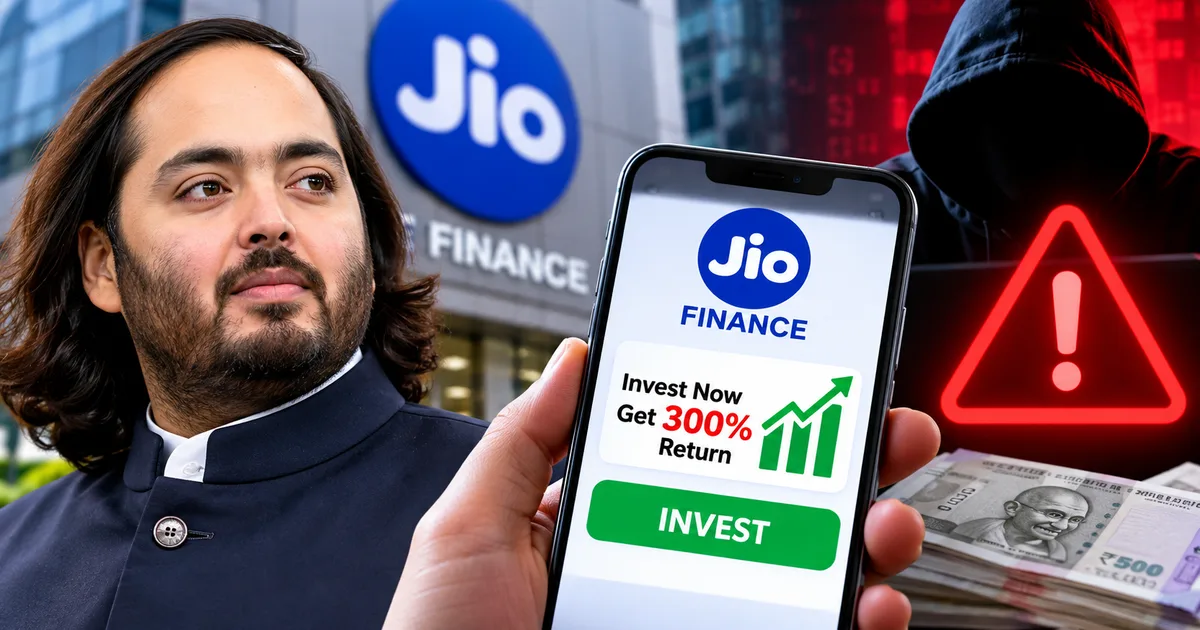
Look, we need to talk about something happening right now on Facebook and Telegram. People are losing their life savings. A 39-year-old man from Mahalakshmi Layout in Bengaluru just lost Rs 7.66 lakh. He thought he was investing in a legitimate scheme. He wasn't. He fell for the Fake Anant Ambani Jio Finance Guaranteed Returns Telegram Investment Scam 2026. I'm writing this to make sure you don't make the same mistake. Protect your bank account.
This isn't your standard phishing email. Honestly, the scammers have upgraded their tactics. They're using highly realistic deepfake videos. You scroll through Facebook and see Prime Minister Narendra Modi or Anant Ambani talking about a new investment opportunity. It looks completely real. The lip sync matches up perfectly. The voice sounds right. But it's entirely fabricated.
People often wonder how these videos get made so quickly. The tools are just freely available online. A scammer just needs a few minutes of real footage of Anant Ambani speaking at some conference. They feed this footage into an AI program. Then they type out a script promising guaranteed returns on Jio Finance. The software generates a completely new video, and it maps the new words right onto his mouth. To an untrained eye on a small smartphone screen, it's practically perfect (which makes sense, actually). So you just can't trust your eyes alone anymore. In my experience, the technology has simply outpaced our natural ability to spot lies.
What exactly is this deepfake investment scam?
Basically, criminals are buying ads on social media platforms. They use artificial intelligence to generate fake videos of trusted public figures, and these videos promise massive guaranteed returns. They claim things like Jio Finance is backing a new trading platform. Or they say Anant Ambani has launched a wealth creation program for everyday Indians.
None of this is true. It's a sketchy trap. Once you click the link in the video, you get redirected. Usually, this takes you straight to a Telegram group or a WhatsApp chat. From there, the manipulation begins. It's the same playbook we saw with the Fake Rentomojo IPO Guaranteed Allotment Telegram Scam 2026: Protect Your Bank Account. The platform changes. But the goal is the same. They want your money.
I know you might think you'd never fall for this. We all want to believe we're too smart. But these videos are designed to bypass your logical defenses. When you see the Prime Minister supposedly endorsing something, a part of your brain just trusts it. That's exactly what the scammers are counting on.
Why they use specific celebrities
There's a reason you keep seeing Mukesh Ambani or Sudha Murty in these videos. Scammers pick figures who represent extreme wealth and business success in India. They know that middle-class Indians respect these names. So when Anant Ambani supposedly talks about a Jio Finance wealth program, it sounds plausible. Reliance Jio has completely changed telecom. Why wouldn't they do the same for finance? The scammers just piggyback on decades of brand building. They borrow the trust these families have built, and they use it against you. This is psychological manipulation at its finest. They don't just steal your money. They exploit your hope for a better financial future, and it's honestly a mess.
How this Telegram investment scam actually works
Understanding the mechanics is your best defense. This fraud plays out in a very specific sequence.
- The initial hook. You see a sponsored video on Facebook or Instagram. It features a deepfake of a famous person like Sudha Murty or Anant Ambani. They talk about a guaranteed investment scheme. You click the link out of curiosity.
- The fake onboarding. The link takes you to a messaging app. Often you get added to a Telegram group filled with fake accounts praising the scheme. Then an account manager contacts you directly.
- The test investment. They ask for a small starting amount. In the Bengaluru case, the victim wired Rs 22,000 on July 10. They just want to show you how easy it is.
- The foreign calls. You might receive calls from international numbers. The Bengaluru victim got calls from numbers with a +44 UK country code. The callers claimed to be from a company called One Two Markets. They push you to try forex trading.
- The illusion of profit. They create a bogus trading account in your name. They give you a login to a fake website or app. When you check it, you see your initial money has supposedly grown. It looks like you're making massive profits.
- The escalation. Because you think the system works, you invest more. Between July 10 and July 22, the Bengaluru man transferred Rs 7.6 lakh in multiple transactions. The scammers keep pushing for larger amounts.
- The final trap. You decide you want to withdraw your profits. Suddenly, there's a problem. The scammers tell you that you need to pay a tax or a withdrawal fee first. They demand even more money. If you refuse, they block you. Your money is gone.
This pattern is highly predictable. I think we see it repeatedly in the Scam Alerts & Safety category. Criminals just use the illusion of quick wealth to blind you to the red flags.
Warning signs of fake Jio Finance schemes you should not ignore
You need to know what to look for. If you spot any of these signs, you're talking to a scammer.
- Guaranteed returns. Real investments carry risk. The stock market goes up and down. If anyone promises you a guaranteed massive return in a week, they're lying. Period.
- Celebrity endorsements for unknown platforms. Mukesh Ambani and Virat Kohli don't promote random Telegram trading groups. If a video shows them doing this, it's a deepfake.
- Pressure to act fast. Scammers want you to send money before you have time to think. They'll say the offer's closing in an hour. Take a breath. Hang up.
- Payments to personal accounts. Legitimate brokers and companies have corporate bank accounts. If you're asked to send money via UPI to a random individual or a strange account, stop immediately.
- Unsolicited calls from foreign numbers. If you sign up for an Indian investment platform and get a call from a +44 number, that's a massive red flag.
These signs are consistent across most digital frauds today. Just last week, we covered a similar setup in the Fake CBI Digital Arrest Scam 2026: Protect Your Bank Account. The theme was different. But the urgency and pressure tactics were identical.
How to protect yourself from deepfake investment traps
Knowledge isn't enough. You need strict personal rules for how you handle your money online.
First, never click on investment links in social media ads. If an offer sounds interesting, open a new browser tab and search for the company directly. Verify their credentials. Check if they're registered with SEBI. If they aren't on the SEBI website, don't give them a single rupee.
Second, be deeply skeptical of video content. AI technology has made it incredibly cheap to create fake videos. Just because you see someone's face and hear their voice doesn't mean they actually said those words. Look for unnatural blinking or audio that sounds slightly robotic. But honestly, even if the video looks flawless, trust your common sense over your eyes.
Third, stay updated. Reading the Latest Tech News helps you understand what new technologies criminals are using. The more you know about deepfakes and AI, the harder it is for someone to trick you with them.
Never share your banking passwords or UPI PINs with anyone claiming to be an account manager. A legitimate financial advisor will never ask for your UPI PIN.
You should also follow the guidelines issued by CERT-In. They constantly monitor the digital environment for threats targeting Indian citizens. Their advice is clear and urgent:
The Indian Computer Emergency Response Team (CERT-In) explicitly warns citizens against the rise in artificial intelligence driven social engineering attacks. Users must thoroughly verify the authenticity of any financial app before downloading it. Never install APK files sent over Telegram or WhatsApp.
Stick to the official Google Play Store or Apple App Store. Even then, check the developer name and read the reviews. If you see an app promising guaranteed stock market returns, report it to the app store immediately.
One of the biggest issues here is how quickly money moves. India's UPI system is incredible for buying groceries or paying a cab driver. It's instant and frictionless. But that same speed works against you when you're being scammed. When you enter your UPI PIN and authorize a transfer, that money leaves your account in seconds. It lands in the scammer's mule account instantly. From there, they split it up and transfer it to dozens of other accounts. By the time you realize you've been tricked, the money is gone. This is why you must treat your UPI PIN like the key to your house. Never use it to receive money. And never enter it unless you're absolutely certain who you're paying.
Where to report if you lost money in a trading scam
If you realize you've been scammed, you must act fast. Time is your best asset right now. Don't feel embarrassed. These criminals are professionals. They do this all day, every day.
Stop all communication with the scammers. Don't tell them you know they're fake. Just stop replying. Don't send them any withdrawal fees or taxes. You won't get your initial money back by paying them more.
Call the national cybercrime helpline at 1930 right away. If you call quickly, the authorities can sometimes freeze the scammers' bank accounts before they move your money. I'm not sure exactly why it works this way, but that golden hour matters a lot.
Next, go to cybercrime.gov.in and file a detailed official complaint. Include everything. Provide the phone numbers that called you and screenshots of your chats. The more information you provide, the better chance the police have of tracking them down.
Finally, contact your bank. Tell them you've been a victim of fraud. Give them the cybercrime complaint number. Ask them to block your account or stop any pending transactions. They might not be able to reverse a completed UPI transfer, but they need to know your account was involved in a fraudulent transaction.
We have to accept that the internet is changing. It's an active battlefield where criminals are constantly trying to empty your bank account. The Fake Anant Ambani Jio Finance Guaranteed Returns Telegram Investment Scam 2026 is just today's flavor. Tomorrow, they'll use a different celebrity and a different fake company. The core mechanics will remain the exact same.
Your best defense is healthy skepticism. Talk to your family about this. Show them examples of deepfakes. Explain how these Telegram traps work. The more we talk about these frauds, the less power they have over us. Keep your guard up and always report suspicious activity. Because they really are just waiting for you to slip up.