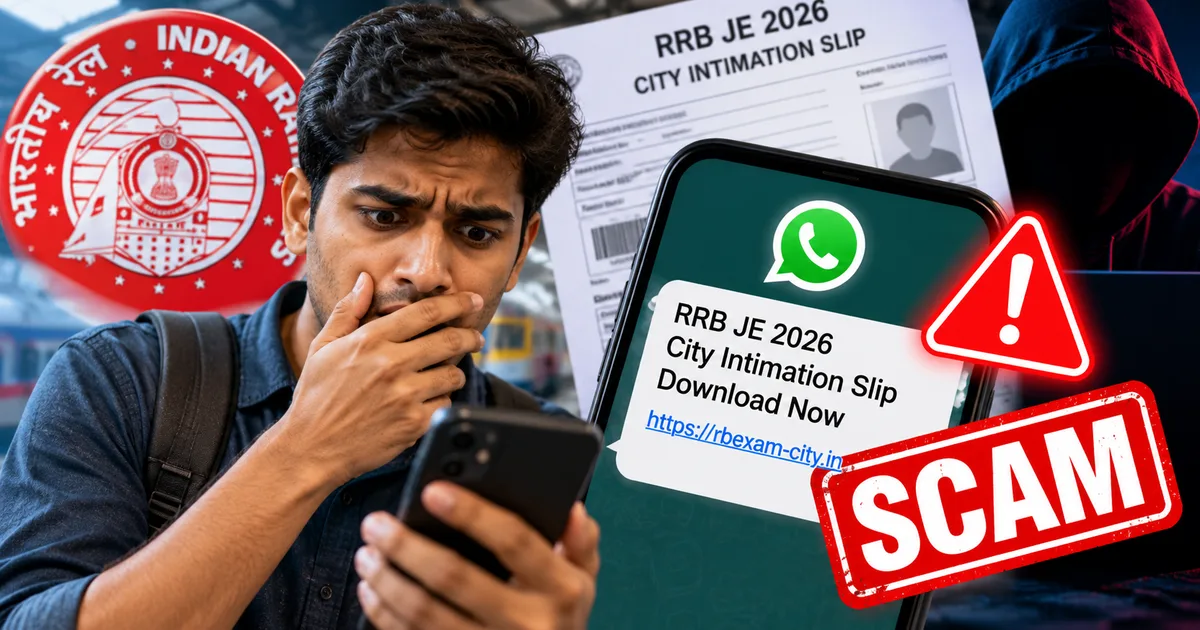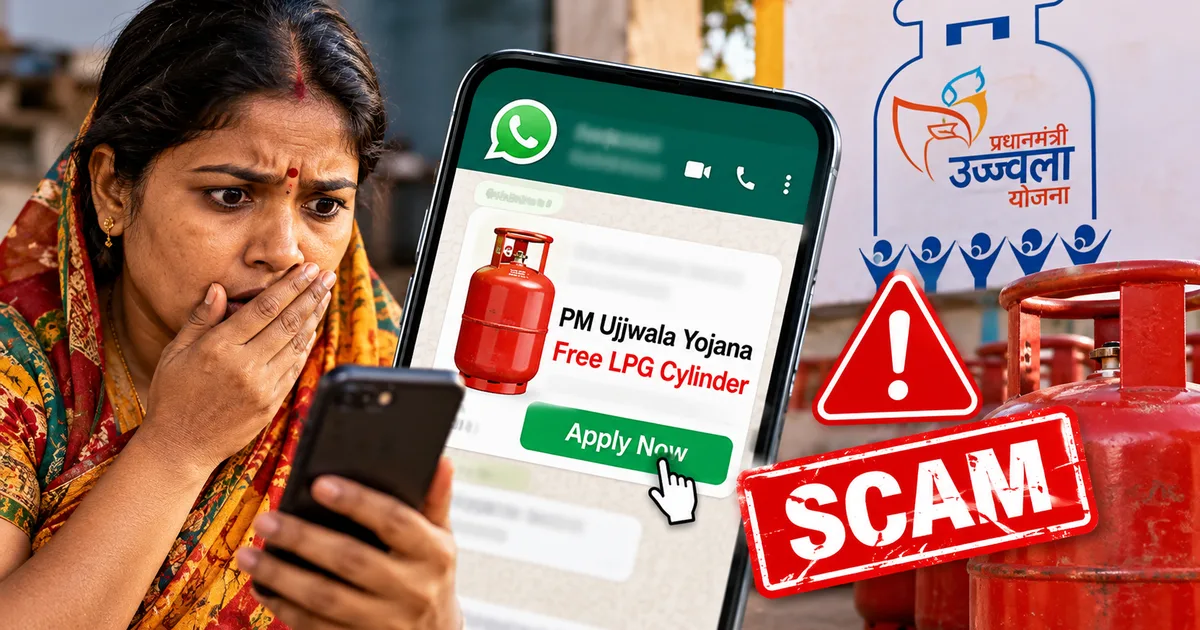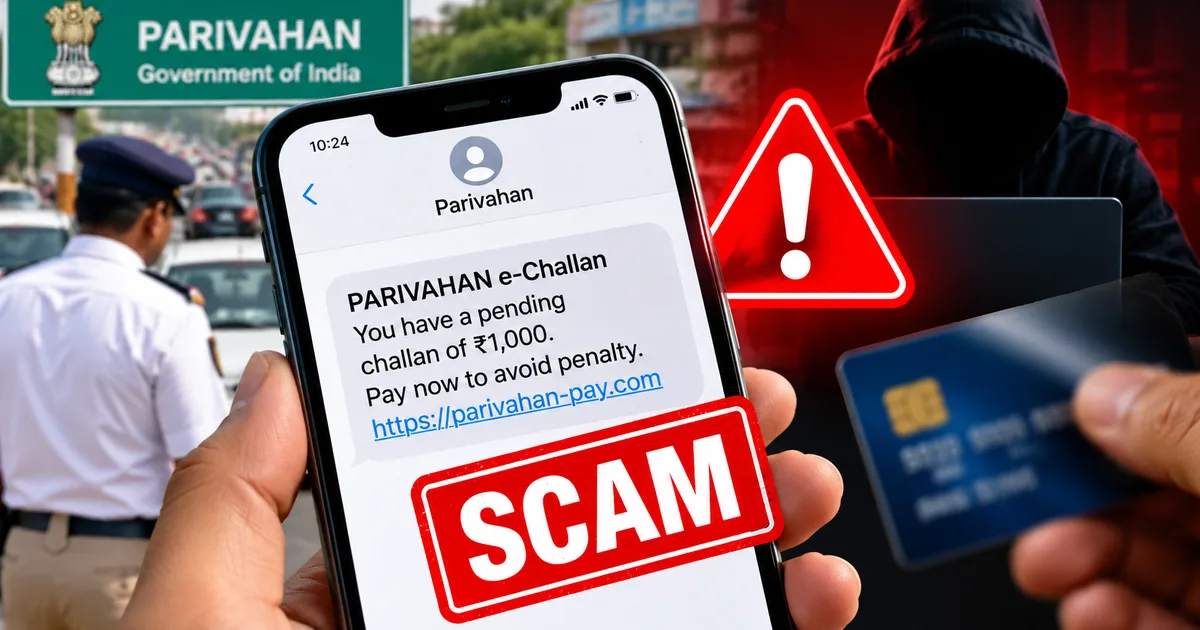
Look, I get it. You pick up an unknown number, and suddenly someone claiming to be a police officer or a CBI official is screaming at you. They say a parcel with your Aadhaar card and illegal drugs was caught at customs. Or maybe they tell you your phone number is linked to money laundering. This is the setup for the fake CBI digital arrest video call scam. And honestly, it's terrifying. It's also completely fake.
I've spent the last few weeks reading police reports and talking to victims. The numbers are frankly insane. Since 2022, nearly 3 lakh Indians have lost a mind-boggling Rs 4,057 crore to this specific fraud. That isn't a typo. Over four thousand crore rupees, gone. It's a complete mess, if you ask me.
So, what exactly is happening? Why are smart, educated people falling for this? Because the scammers have perfected their script. They know exactly which buttons to push to make you panic. When you panic, your logical brain shuts down (which makes sense, actually). That's what they count on. If you read our other Scam Alerts & Safety guides, you know that fear is a scammer's best tool.
What exactly is a digital arrest?
Here's the deal: there is no such thing as a "digital arrest" in Indian law. Period.
The police can't arrest you over a WhatsApp video call. The CBI won't interrogate you on Skype. It just doesn't happen. But scammers use this made-up term to keep you trapped in your own home. They force you to stay on a video call, sometimes for hours or even days, telling you that if you disconnect, real cops will show up at your door to arrest you.
They create a fake police station setup in the background. They wear actual uniforms, and they even have fake ID cards and arrest warrants with the official Ashoka pillar emblem. It looks very real. I think the visual props are what finally break people's doubts. A 73-year-old retired LIC employee was kept under "digital arrest" for almost eight months. Eight months! He ended up losing Rs 1.09 crore. A 75-year-old woman in Lucknow lost Rs 78.50 lakh in six days to fake CBI and ATS officials.
This isn't amateur hour. These groups are highly organized syndicates. The CBI recently raided over 80 locations across India to bust these networks, but new ones pop up every day. I'm not sure exactly why they're so hard to stamp out entirely, but the scale is massive. The Enforcement Directorate just found a network that converted Rs 417 crore of cybercrime money into foreign currency.
How the fake CBI digital arrest video call scam works
Knowing their exact playbook helps you spot the trap before it snaps shut.
Step 1: The terrifying first call
It usually starts with a regular voice call. Sometimes it's an automated IVR message saying a parcel in your name was seized by FedEx or Customs. Sometimes they claim your mobile number will be blocked in two hours by TRAI because it was used to send illegal messages. They always give you a reason to press a number to speak to a "customer service executive" or "police officer."
Once you connect, the person on the other end is aggressive. They ask for your Aadhaar details. They read out your name and sometimes your address (which they bought from data brokers, presumably). They tell you a serious crime has been committed using your identity. Money laundering, maybe. Or human trafficking. It's a very sketchy situation.
Step 2: The video call interrogation
After they have you completely scared, they say they need to take your statement. They tell you to download Skype or connect on a WhatsApp video call. They call this a "digital arrest" or "video surveillance."
When you answer the video call, you see a guy in a police or CBI uniform sitting in what looks like a real police station. You hear walkie-talkies in the background. They demand that you isolate yourself. They tell you to lock your bedroom door and not talk to your family. If you try to tell anyone, they threaten to arrest your family members too.
Step 3: The fake official documents
To seal the deal, they send you documents on WhatsApp. These look like official Supreme Court orders or CBI arrest warrants. They have stamps and signatures. They might even cite real sections of the IPC or the new Bharatiya Nyaya Sanhita. And they look convincing. In my experience, these forged documents are what make the scam so effective.
For more details on how these specific calls operate, check our guide on Digital Arrest Cyber Scams: How Fake Police and Customs Calls Work in 2026.
Step 4: The money transfer demand
This is the entire point of the scam. After interrogating you, they offer a way out. They say they need to verify your bank accounts to ensure your money isn't linked to terrorism or money laundering. They promise it's just a "security deposit" and will be refunded within 30 minutes.
They ask you to transfer all your funds to an RBI "safe account" or a "secretariat account." They might ask you to break your fixed deposits. Sometimes they make you take instant personal loans on apps and send that money too. You do it because you just want the nightmare to end (annoying, I know). But the money is gone. And so are they.
The Supreme Court steps in
Things have gotten so bad that the Supreme Court of India had to get involved. On August 4, 2026, the Supreme Court issued 13 specific directions to fight digital arrest scams.
"The Court directed the RBI to prepare and circulate an SOP for mule accounts/cyber fraud accounts in 4 weeks. All States, UTs and law enforcement agencies to expeditiously adopt the grievance redressal module and money restoration module."
The court noted that between 2024 and 2026, the number of complaints is actually dropping slightly. But the scale of the organized networks is still massive. The numbers here are a bit fuzzy, honestly. They told the RBI and banks to get their act together and freeze these fraudulent accounts faster. In my experience, banks are often too slow to act. Right now, scammers use "mule accounts". Basically, rented bank accounts belonging to poor people to receive your money, and then immediately transfer it to crypto or withdraw it from ATMs.
Warning signs you are dealing with a fraudster
You need to remember these red flags. Write them down. Tell your parents. I think people completely forget these rules the second they panic.
- Real Indian police do not interrogate suspects on WhatsApp or Skype video calls. The CBI does not use Skype for official statements. If they call you on these apps, they are fake.
- Any official who uses the phrase "digital arrest" is a scammer. This legal term does not exist in India.
- Real police do not force you to hide in your bedroom away from your family. You always have the right to legal counsel, so never accept their demand for complete isolation.
- Arrest warrants and court notices are delivered physically or through official registered post. They are never forwarded on a chatting app.
- No government agency, police force, or court in India will ever ask you to transfer money to a "safe account" to prove your innocence.
How to protect yourself from the digital arrest scam
Prevention is much easier than trying to get your money back. Once the money leaves your account, recovering it is extremely difficult, despite the new Supreme Court orders. I think prevention is truly your only option.
First, don't pick up unknown video calls. Just don't. If someone claims to be police on a voice call, tell them to send a formal physical notice under Section 35 of the BNSS to your registered address. Then hang up.
If you find yourself stuck on one of these calls, don't panic. I know it's hard when someone in a uniform is yelling at you. But just cut the call and turn off your phone for an hour. Go talk to a family member or a neighbor. The simple act of talking to someone else breaks the spell of isolation they rely on.
Never share your screen. Sometimes they ask you to download apps like AnyDesk or TeamViewer, claiming it's for a security check. They just want to see your OTPs and bank balance.
We see similar tactics in other frauds too, like the Fake KYC Video Call Scam: Bank Officials Stealing OTPs. The method changes, but the goal is always your bank account.
Where to report if you get scammed
If you transferred money, every single minute counts. Don't feel ashamed. Smart people fall for this every day, and in my experience, shame is what delays reporting. You need to act fast to freeze the money before the scammers withdraw it.
- Call 1930 immediately. This is the national cybercrime helpline. Tell them you are a victim of a digital arrest scam and give them the transaction details. The faster you call, the higher the chance they can block the money in the scammer's account.
- Report online at cybercrime.gov.in. File an official complaint on the portal. Keep screenshots of the WhatsApp chats, phone numbers, and the fake documents they sent you.
- Call your bank. Inform them about the fraudulent transaction and ask them to block your account and UPI IDs immediately to prevent further unauthorized transfers.
You can also check out resources from CERT-In for more cybersecurity awareness. But your first call must always be to 1930.
Stay alert. Don't let fear control you. If a cop calls you on WhatsApp demanding money, hit the red button. It really is that simple.