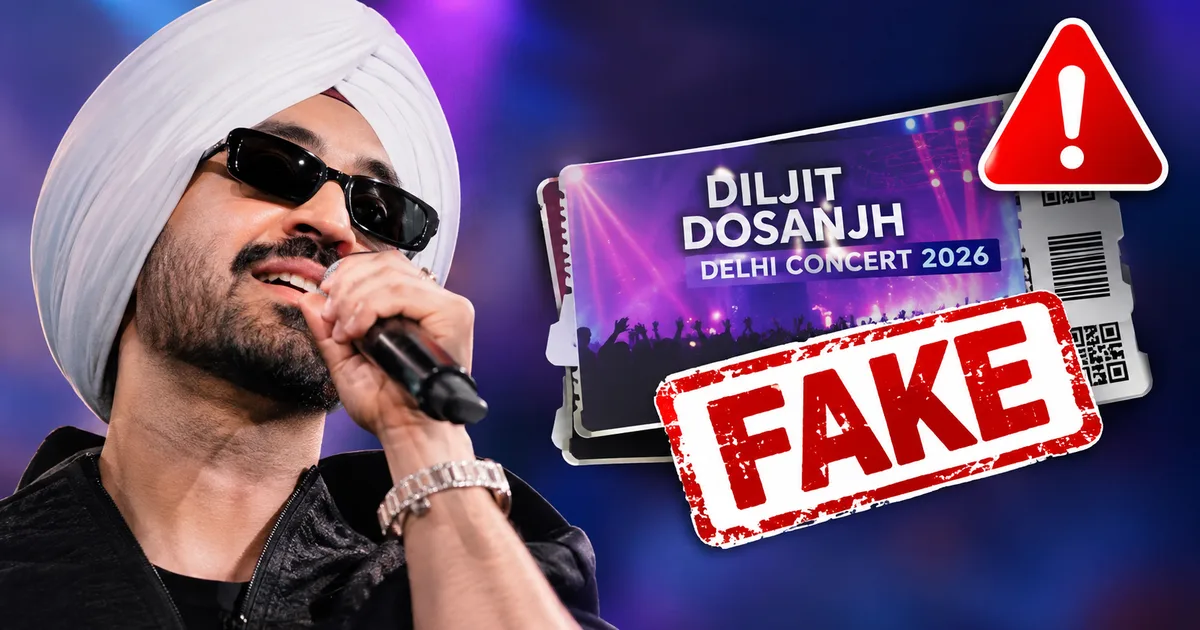
If you spent your morning hunting for passes to see Diljit Dosanjh bring his Aura India Tour to New Delhi, you already know the madness unfolding across social media. Desperate fans are getting flooded with offers for fake Diljit Dosanjh Delhi concert tickets on Instagram direct messages and WhatsApp chats. The tickets sell out in two minutes flat on BookMyShow. Panic sets in right away. And within an hour, dozens of anonymous accounts pop up claiming they have spare lounge passes or Fanpit wristbands at face value. Don't fall for it.
I watched this exact mess play out during his previous tour. But the scale of fraud heading into the October 30 show at Jawaharlal Nehru Stadium is way worse. Scammers turned the rush into a straight-up racket. They're pocketing lakhs of rupees from college kids and young professionals who just want to hear "Kufar" and "Born to Shine" live from the front rows. It's sickening, honestly.
What the Diljit Delhi concert ticket scam looks like
The scam relies on one simple psychological trick: artificial urgency mixed with heartbreak over sold-out screens. When BookMyShow displays zero seats available for JLN Stadium, fans immediately turn to X and Instagram to beg for passes. Scammers monitor these comment sections round the clock. They drop slick replies claiming their friend fell ill or work called an emergency meeting, so they must sell two passes urgently. If you ask me, that panic is what blinds people.
Thing is, these sellers don't have tickets.
They operate through disposable social media profiles created three days ago, often stolen from inactive accounts or filled with stock photos of young people to look trustworthy. Just recently, a Delhi woman lost ₹15,000 trying to buy passes from a sketchy seller on WhatsApp. He promised VIP passes and sent over forged confirmation receipts, only to vanish into thin air the second her UPI payment went through. And this isn't an isolated incident either (which makes sense, actually, given the craze). We've seen similar patterns pop up across other major shows, like the fake concert ticket packages targeting music lovers in Mumbai.
The fake volunteer recruitment trap
Ticket scams aren't the only trap out there. Scammers also started circulating shady Google Forms and WhatsApp broadcasts offering paid volunteer slots for the Delhi concert. These bogus posts promise backstage access along with daily stipends of ₹2,500 just for helping out the production crew on show day.
Sounds tempting. But there's a catch.
To lock in your spot, they tell you to transfer a refundable registration fee of ₹999 or ₹1,499 via UPI, alongside uploading your Aadhaar card or college identity proof. Diljit Dosanjh himself had to post a public warning on his social media telling fans not to send registration money or hand over personal documents to these fake hiring drives (annoying, I know, that artists even have to step in). Official concert organizers hire ground crew strictly through registered event agencies. They don't recruit staff through random Telegram groups or sketchy Google Forms.
Forged PDF receipts and cloned QR passes
The most dangerous trick involves altered BookMyShow PDF passes. It's shockingly simple. A scammer buys one genuine seated stand ticket for ₹1,999. He opens that confirmation file in Adobe Photoshop or Canva, then flips the seating tier to Fanpit or VIP Lounge. After that, he clones the document fifty times with fake booking IDs and sells that exact same PDF to fifty buyers for ₹8,999 each.
Every single buyer gets what looks like a legit e-ticket. I'm not sure exactly why people still trust loose PDF files, but when you're desperate for passes, you let your guard down. Then concert day arrives. Around 70,000 fans show up at JLN Stadium and crowd the gates on Lodhi Road. The scanner at the turnstile flashes red. Only the first buyer who scans the code gets in (usually someone who showed up at 4 PM). The other forty-nine buyers are left stranded outside in the cold with stadium security turning them away, while the scammer deletes their WhatsApp number.
"Organizers and ticketing partners do not authorize secondary resale of concert passes. Entry is granted strictly upon scanning valid dynamic digital barcodes or verified physical wristbands linked to original booking credentials." - Delhi Police South District Advisory
How scammers sell fake passes step by step
Understanding their playbook is the best way to keep your money safe. Honestly, these guys follow a rigid script that works surprisingly well on excited fans.
First, the scammer posts screenshots of believable BookMyShow confirmations on Instagram stories or Reddit threads. They blur out the barcode, claiming they want to stop people from stealing it. But they leave the seat tier and booking timestamp visible so everything looks authentic.
Second, when you DM them, they're super friendly. They insist they aren't looking for profit. They'll offer an ₹8,999 ticket for exactly ₹8,999 or ask for a tiny ₹500 markup (a classic psychological trick). I think that calculated modesty is what fools people, making the seller look like a fellow fan rather than a crook.
Third, they rush you into paying via personal UPI handles on PhonePe or Google Pay. If you take a minute to think, they claim four other buyers are waiting in line and give you a tight five-minute window to pay up.
Fourth, once you send that UPI cash, the real shakedown begins. Sometimes they just block you right away. Other times, they claim BookMyShow needs a ₹3,000 identity verification deposit to transfer the pass to your mobile number, promising you'll get it refunded at the JLN Stadium gate. If you pay it, they cook up another fee. The demands don't stop until you figure out you've been scammed.
And this pattern matches what we see all the time in our scam alerts and safety guides, where scammers exploit pure FOMO to squeeze multiple payments out of victims.
Warning signs of counterfeit concert passes
In my experience, spotting a bogus pass is pretty straightforward once you know how ticketing systems work. If you're dealing with a stranger online, watch out for these red flags:
- The seller insists on communicating exclusively through Telegram, Snapchat, or unverified WhatsApp business profiles while refusing a normal phone call.
- They send static PDF tickets or screenshots of barcodes days before the concert, whereas BookMyShow typically activates dynamic barcodes or dispatches physical RFID wristbands shortly before show day.
- The price seems surprisingly reasonable or even below face value for a completely sold-out category like Fanpit or front-row standing.
- The seller demands payment to an unrelated personal UPI ID or asks you to approve a collect request on PhonePe or Google Pay.
- They claim to possess bulk passes because their uncle works in event security, the stadium management board, or the sound production team.
- The PDF file contains mismatched fonts, misaligned booking numbers, or low-resolution logos that look pasted onto a white background.
Trust your gut here. It's that simple. If someone tells you they bought four front-row passes worth ₹14,999 each and suddenly can't make it because of a mild headache, they're lying straight to your face.
How to protect yourself from concert ticket scams
The safest approach is also the simplest: buy passes only through authorized platforms. For the Aura India Tour, that means sticking strictly to the official BookMyShow app or website. When a show sells out, wait for extra tour dates or verified fan resale systems if the platform rolls them out (annoying when you're desperate, I know). But buying passes through random social media comments is asking for trouble.
If you really want to check whether a seller is legit, meet them face to face in a crowded public place. Outside a police station or near the stadium box office is best. Demand that they open their booking live on the official mobile app right in front of you. A genuine ticket holder can just open the app and pull down to refresh the live booking screen. Screenshots and exported PDFs prove nothing because anyone can fake a graphic in five minutes.
Look, never enter your UPI PIN under the impression that you're receiving cash or validating a ticket delivery. Scammers love sending UPI collect requests masked as verification steps. Basically, here is the golden rule of online payments: entering your PIN always takes money out of your bank account. It never puts money in.
And never send copies of your government IDs, like your Aadhaar card or PAN card, to strangers on the internet. Criminals use stolen IDs to set up realistic dummy accounts to scam the next victim, which could drag your name into a police inquiry. You can check our online security how-to guides to see how to mask your Aadhaar card via DigiLocker before sharing ID proof with anyone.
Want to see how these scammers talk? Take a look at our breakdown of fake Diljit Dosanjh Instagram ticket scams to see the exact chat scripts these fraudsters copy and paste every day.
Where to report concert ticket fraud in India
If you got tricked into sending money, move fast. Every single minute counts. Speed is everything when you're trying to freeze bank transfers before scammers siphon the cash into mule accounts and crypto wallets.
Call the national cyber financial crime helpline at 1930 right away. The Indian Cyber Crime Coordination Centre runs this line 24/7. If you call within the golden hour, which is roughly the first two hours after a fraudulent transfer, helpline operators can alert the payment gateways and freeze the destination account before the crook runs off with the cash.
Next, head over to the national cyber crime reporting portal at cybercrime.gov.in to file a formal complaint. Gather up this evidence before you submit:
- Clear screenshots of all chat conversations, including the seller's username, phone number, and social media profile URL.
- The exact UPI transaction reference number, bank account statement, and payment confirmation receipt from your banking app.
- The fraudulent PDF passes, fake barcodes, or bogus booking confirmation emails sent by the scammer.
- The caller ID details or phone recordings if you spoke with the fraudster over cellular calls.
Once you register the complaint online, grab the acknowledgement number and submit a written dispute at your home bank branch within 24 hours. The numbers here are a bit fuzzy, but thousands of people lose money to ticket fraud every season. Under Reserve Bank of India rules, reporting digital payment fraud quickly is essential if you want to limit your liability. Also, you can flag phishing domains and scam operations to the Indian Computer Emergency Response Team via CERT-In (https://www.cert-in.org.in/).
Don't let the hype push you into a dumb decision. Diljit Dosanjh will tour again. But getting your hard-earned cash back from a cyber crook? That's an uphill battle nobody wants to fight.