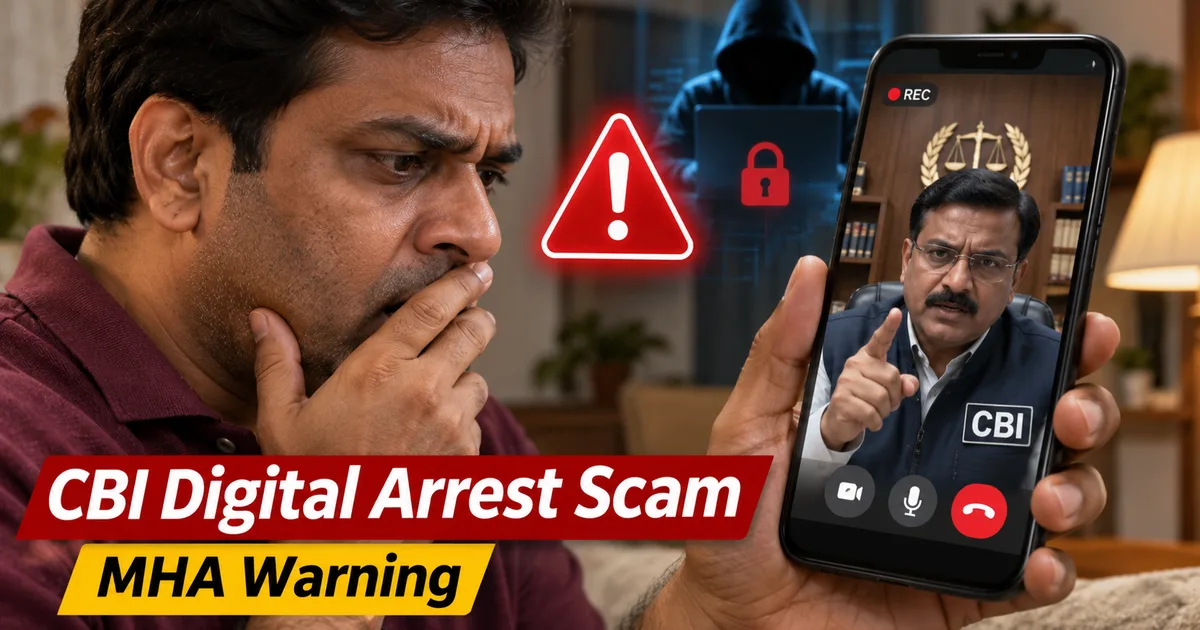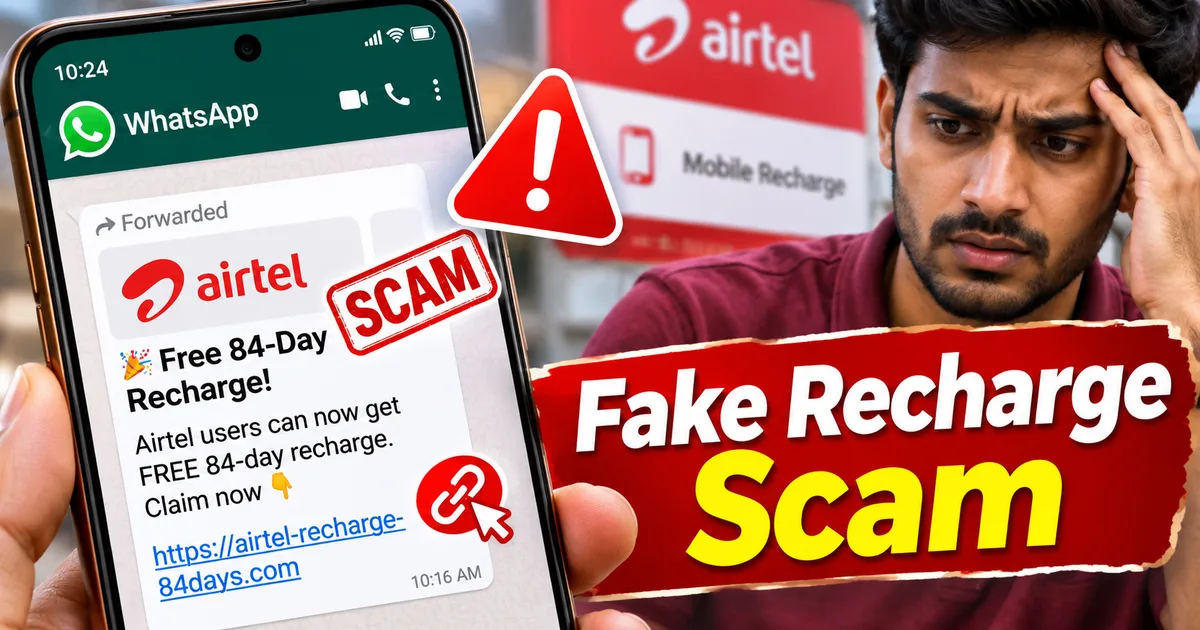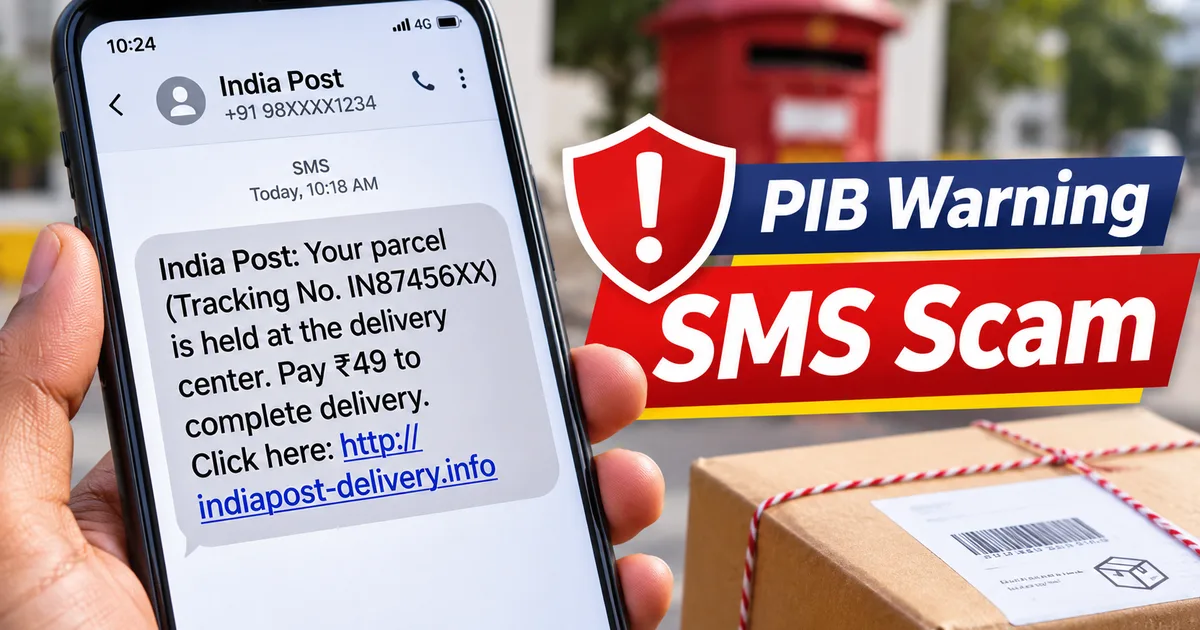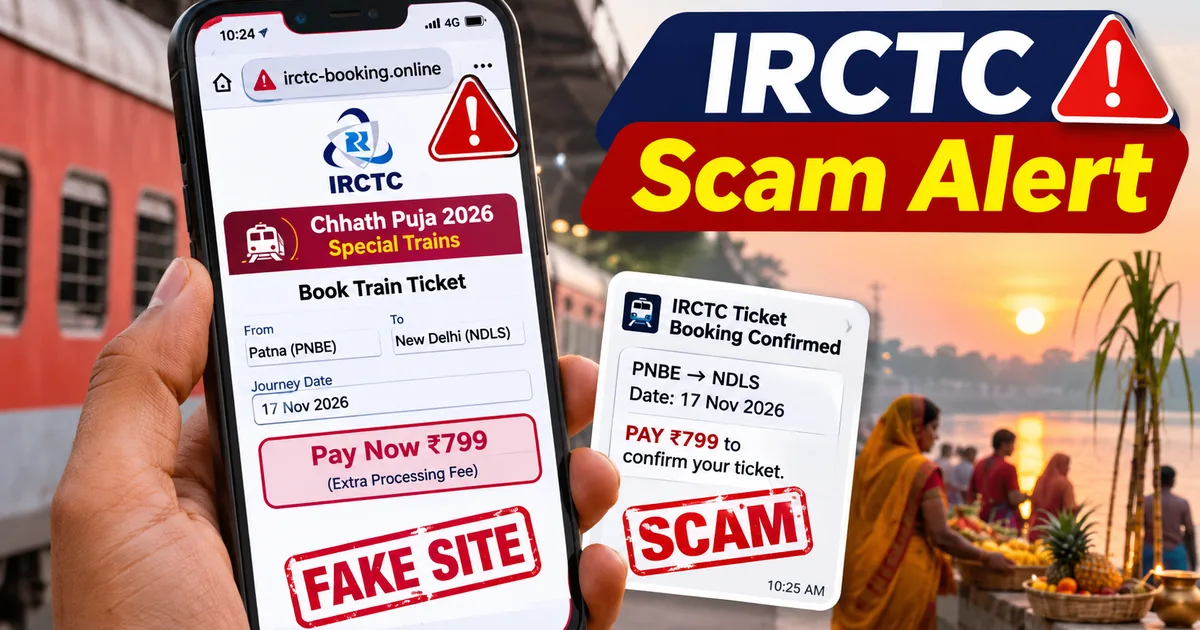
If you have ever tried booking a train ticket to Bihar or eastern Uttar Pradesh right before Chhath, you already know the sheer panic that hits at 8:00 AM. You open the app and watch seats vanish in forty seconds while the loading wheel just spins. That desperation is exactly what cybercriminals count on. And this year, the fake IRCTC Chhath Puja 2026 special train ticket booking scam is catching hundreds of unsuspecting travelers off guard across WhatsApp and Telegram.
It happens every single festival season. Without fail. The clock strikes eight. The IRCTC portal immediately freezes up with system load errors, and within two minutes every sleeper and third AC berth shows REGRET or waitlists exceeding three hundred. So you start looking for alternatives. You ask around in neighborhood WhatsApp groups. You check Facebook for Tatkal agents, or join public Telegram channels promising confirmed berths. In my experience, that split second of panic makes even tech-savvy users hand over hard-earned money to nameless operators.
I watched this unfold firsthand last week when a colleague tried booking a ticket from Delhi to Muzaffarpur. He was desperate to reach his village for the morning arghya (family pressure is intense around Chhath), so he reached out to a contact found on a festival travel forum. Within ten minutes, the person promised a confirmed lower berth on a Chhath Puja special train for Rs 2,400, demanding payment via UPI right away. Two hours later, the seller blocked his number. The PNR was totally fake. Just like that, his money was gone.
What is the Chhath Puja train ticket scam?
The scam is straightforward and ruthless. Fraudsters cash in on the massive demand-supply gap during Diwali and Chhath Puja, when millions of workers and families head home from major industrial hubs like Delhi, Mumbai, Surat, and Bengaluru. Regular trains sell out months in advance. Festival special trains get flooded the second reservations open. So scammers position themselves as connected insiders who have access to VIP quotas or guaranteed Tatkal software.
Thing is, these operators don't have secret railway connections. None at all. They run automated bot networks or simply forge digital ticket documents on a computer. And the scale of this operation is wild. Recently, IRCTC busted an illicit cyber network and blocked over 2.5 crore fake user IDs that touts created using illegal automated scripts. The Railway Protection Force also launched targeted raids across multiple states, arresting ticket touts in Visakhapatnam and along the eastern railway corridor who were hoarding festival inventory using unauthorized software. I'm not sure of the exact total haul, but the numbers here are staggering.
When legitimate passengers can't get through the official portal, these cyber gangs step in to profit from the mess.
Official railway data shows that automated scripts can flood booking gateways with hundreds of requests per second, locking out regular passengers before touts resell forged or cancelled tickets at four times the actual fare.
How the fake IRCTC ticket racket operates
Understanding their playbook helps you spot the trap before your bank balance takes a hit. Basically, the scam moves through distinct, calculated stages designed to keep you from verifying details until it's too late.
First, scammers cast a wide net across social media. They post in festive travel groups on Facebook and push sponsored posts on Instagram. On Telegram, they run channels with names like Tatkal King 2026 or Bihar Special Train Confirm Tickets. You'll see doctored screenshots of supposedly satisfied customers thanking them for confirmed tickets on packed routes like the Sampark Kranti or Vaishali Express.
Once you message them, they ask for your travel details: passenger names, age, boarding station, and preferred date. They speak with surprising confidence, often claiming they work directly with authorized railway counters or use commercial travel software. To build initial trust, some ask for only a small token amount, say Rs 300 or Rs 500, promising you can pay the remaining Rs 2,000 after they send the confirmed ticket PDF.
Next comes the forgery. Within fifteen to thirty minutes, they send you an official-looking IRCTC electronic reservation slip (ERS) in PDF format over WhatsApp. It has the authentic IRCTC logo, correct train numbers, realistic departure timings, and your passenger names printed clearly next to confirmed seat numbers like S4-24 or B3-48. But if you look closer, the document is an edited image created on Canva or Photoshop. In other cases, touts book a genuine waitlisted ticket for a completely different passenger. Then they just edit the text and paste your name over it.
Seeing your name next to CONFIRMED brings instant relief. That's when they demand the remaining payment immediately via Google Pay or PhonePe. Never pay via personal UPI handles when dealing with unverified third parties, because those accounts usually belong to disposable mule numbers rented from unsuspecting people. Once you transfer the money, the seller disappears. Blocked. If you call them back, they either switch off their phone or attempt a second shakedown, claiming that railway chart preparation requires an additional Rs 800 clearance fee.
Some criminal groups go even further by sending malicious Android application packages instead of PDF files. If you want to see how deep this tech fraud goes, read our breakdown of fake IRCTC Tatkal WhatsApp APKs, where scammers trick travelers into installing spyware that steals two-factor authentication SMS messages and empties linked bank accounts.
Warning signs of a counterfeit festival ticket
Catching these scams early is easy once you know what legitimate ticket transactions look like. Genuine railway procedures never bend the rules, no matter how packed the train gets.
- The seller insists on receiving payments through personal UPI handles or QR codes rather than providing an official IRCTC payment gateway link.
- You receive a ticket confirmation within minutes for a train whose status showed Regret or heavy waitlists just seconds earlier on the official portal.
- The 10-digit PNR number on the PDF returns an invalid PNR error or displays entirely different passenger names when entered on the official railway website.
- The seller discourages you from verifying the PNR online, claiming the railway servers are updating or that VIP quota tickets only reflect on the chart four hours before departure.
- The ticket PDF contains blurry fonts, mismatched font styles, misaligned tables, or invalid QR codes that fail to open an official government domain.
- The contact asks you to install remote support apps like AnyDesk or TeamViewer to help with seat confirmation.
We've tracked similar patterns across other entertainment and transit sectors on our scam alerts and safety guides page. Look, the underlying psychological trick is identical to what scalpers pull with fake movie ticket booking scams: create artificial urgency and collect upfront cash before the victim has time to verify authenticity.
How to protect your money and travel plans
Staying safe doesn't mean giving up on getting home for the festival. Not at all. It just means sticking to verified channels and refusing to take dangerous shortcuts.
Stick strictly to official booking platforms. The only legitimate digital avenues for booking train tickets in India are the official IRCTC web portal at irctc.co.in and the official IRCTC Rail Connect mobile application downloaded directly from Google Play Store or Apple App Store. Avoid third-party search results or sponsored Google ads claiming to be Tatkal booking desks, as many lead to phishing clones designed to harvest your login credentials.
If you must use a travel agent, ensure they are an authorized IRCTC ticketing agent. Authorized agents have commercial logins and never ask you to create a personal ID for them. More importantly, legitimate agents provide a system-generated printed receipt containing their official agent corporate ID and exact breakdown of railway fares and standard service charges.
Indian Railways has introduced stricter security controls, including mandatory Aadhaar authentication for accounts booking Tatkal tickets during peak hours (annoying, I know, but it cuts down on bot abuse). Linking your Aadhaar to your IRCTC profile allows you to book up to twenty-four tickets a month and grants smoother access during high-traffic morning windows. We explain how to complete this profile linking step by step in our detailed railway booking guides.
Always perform an independent PNR verification before stepping foot on the platform. As soon as you receive any ticket, open indianrail.gov.in on your phone and head to the PNR Enquiry section. Punch in the 10-digit number. Verify that the train number, departure station, passenger names, and booking status match your travel itinerary. If the system shows FLUSHED PNR or PNR NOT GENERATED, you're holding a fake document.
Where to report train ticket fraud in India
If you realize you've been scammed, speed is everything. In my experience, acting within the first two hours gives you the only real shot at recovering cash. Don't waste time arguing on WhatsApp. They'll just block you and wipe the profile.
Call 1930 immediately. This helpline connects you directly to the citizen financial cyber fraud reporting system managed by the Indian Cyber Crime Coordination Centre. If you report the transaction reference number and beneficiary UPI details quickly enough, banks can freeze the recipient wallet before the scammer withdraws the money.
Next, lodge a detailed formal complaint at the official portal: cybercrime.gov.in. Attach all supporting evidence, including screenshots of the WhatsApp or Telegram conversations, the forged ticket PDF, the scammer phone numbers, and payment receipts showing the transaction UTR number.
If the scam involved suspicious APK downloads or phishing domains imitating Indian Railways, report the technical details to CERT-In by emailing incident@cert-in.org.in. You should also report the incident to the Railway Protection Force helpline by dialing 139 or visiting the nearest RPF post at your local railway station. Enforcement teams actively use these reports to track down tout rings.