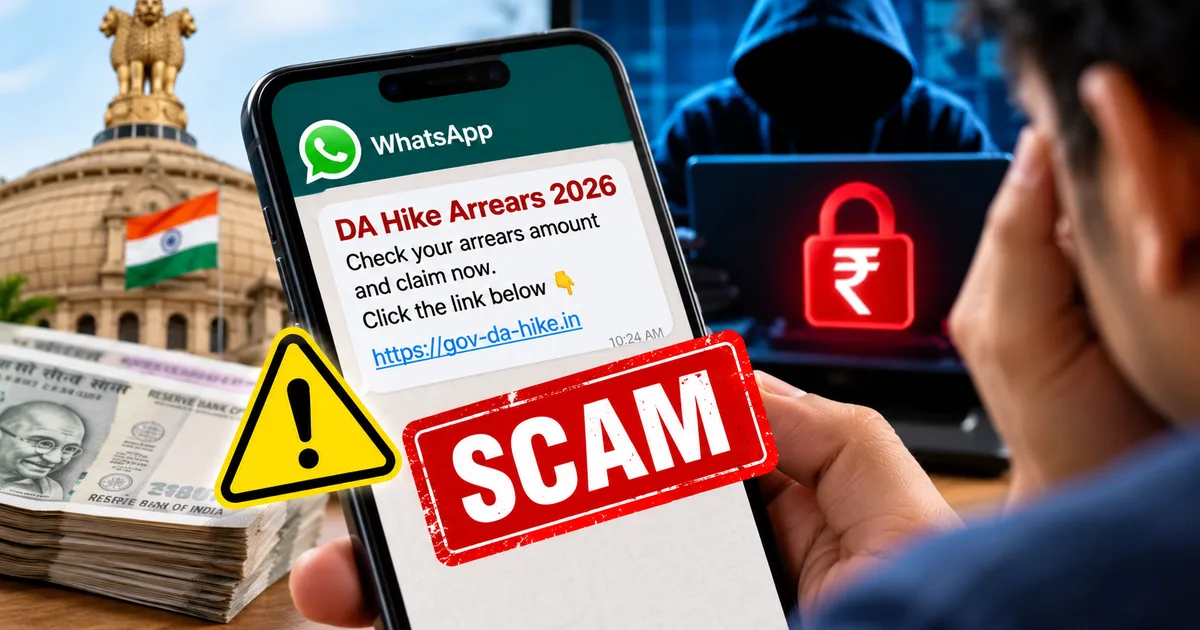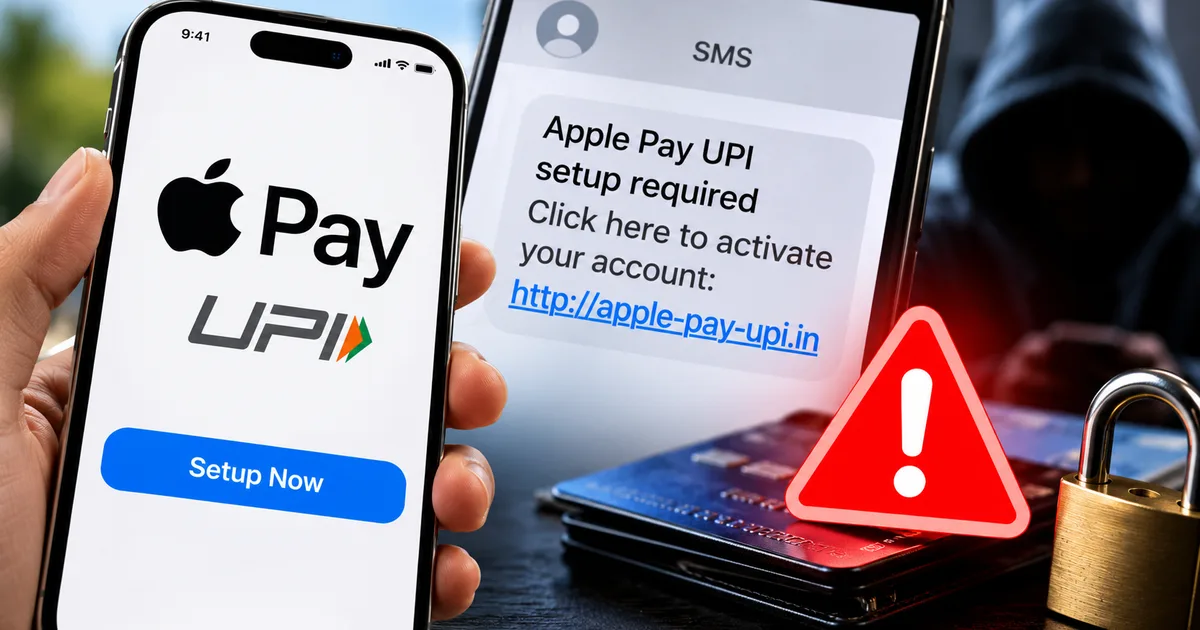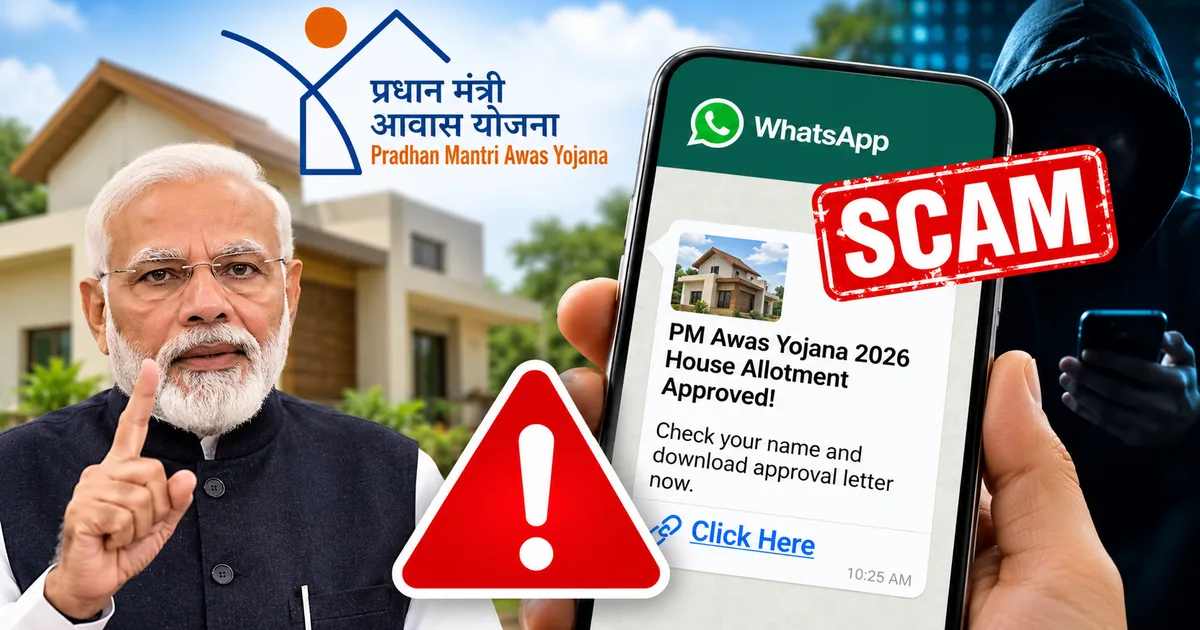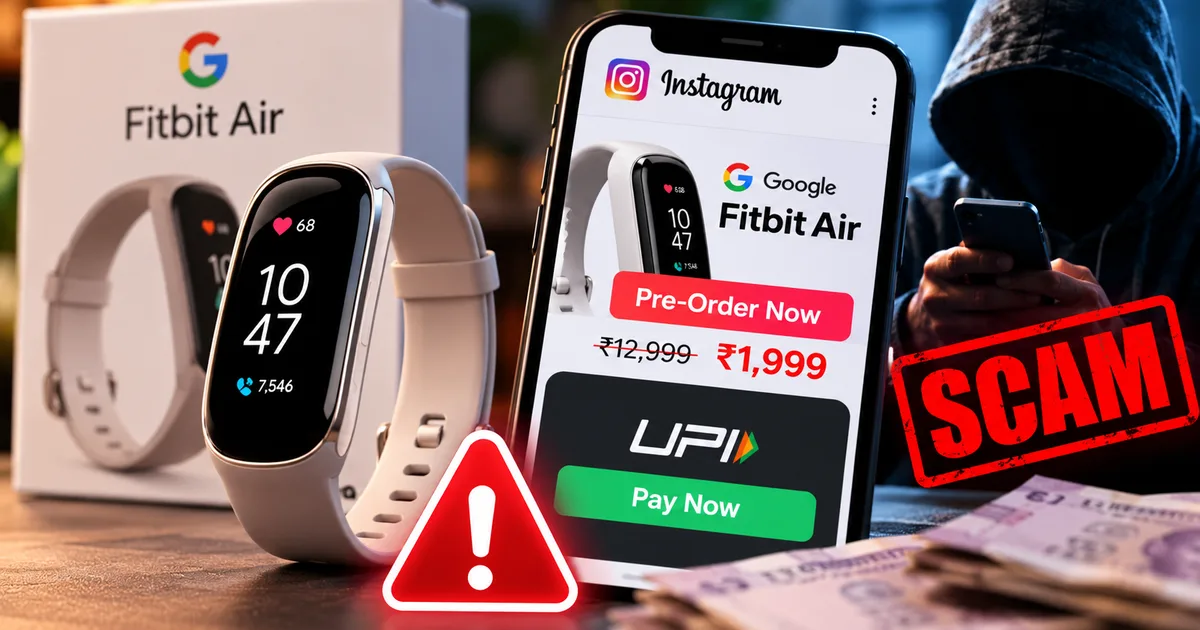
So, you're scrolling through Instagram and spot an ad for the upcoming Google Fitbit Air. It looks totally legit. The ad says you can reserve this new screenless fitness tracker for just ₹500 via UPI before the October 2026 India launch. Stop right there. What you're looking at is the fake Google Fitbit Air 2026 pre-order UPI payment scam on Instagram. It's draining bank accounts across the country as we speak. I've seen dozens of people lose their hard-earned money to this trick this week alone.
Google actually confirmed they're bringing the Fitbit Air to India this October. It is their answer to Whoop. Basically, it's a screen-free health tracker that focuses heavily on AI-powered coaching and sleep tracking. Naturally, the hype is real. Scammers know this. And they're exploiting that excitement by setting up convincing Instagram pages that look exactly like official Google or Croma retail handles. In my experience, they always strike when hype is highest.
What exactly is the fake Google Fitbit Air 2026 pre-order UPI payment scam?
Basically, cybercriminals are running sponsored ads on Instagram targeting Indian tech enthusiasts and fitness buffs. These ads claim to offer an exclusive VIP pre-booking or early access pass for the Fitbit Air. They promise that paying a small token amount now secures your device. Usually, this is between ₹500 and ₹1,500. Then they claim this token gives you a massive discount when it officially goes on sale.
But here's the catch. Google hasn't opened any official pre-orders in India yet. And they certainly aren't collecting ₹500 deposits via random UPI IDs on Instagram. When you click the link in these ads, you're taken to a cloned website. It looks perfect. It has the Google logo and the Fitbit branding. They just copied slick product images from recent tech news reports. (Which makes sense, actually. It's the easiest way to look real.)
Thing is, this is just the entry point for the fraud. Once they have your attention and your trust, they go for your wallet. It's a classic setup we cover often in our Scam Alerts & Safety section. But the execution here is surprisingly sophisticated.
How the Instagram pre-booking fraud actually works
Let's break down exactly how these criminals operate step by step. I want you to see the mechanics of this so you can spot similar tricks in the future.
First, you see the sponsored post on Instagram. The account name is something like Google_Store_IN or Fitbit_India_Official. I think this is the most deceptive part. They've paid Meta to show this ad to people interested in fitness trackers and smartwatches. It's highly targeted.
You click the Shop Now or Learn More button. The link takes you outside Instagram to a website that visually mimics the official Google Store. You'll see specs for the Fitbit Air. They show heart rate, Afib alerts, SpO2, and the 7-day battery life. Honestly, it looks completely real. They pull all those accurate details from real news articles to make the page seem authentic.
Then comes the call to action. A massive Pre-Book Now for ₹999 button. When you click it, you aren't taken to a secure payment gateway like Razorpay or BillDesk. Instead, the site asks you to complete the payment via a direct UPI intent link. Or it generates a QR code for you to scan using Google Pay or PhonePe. The setup is pretty sketchy.
Here's where it gets really dangerous. Sometimes, the UPI link isn't just for a ₹999 transfer. Scammers use advanced UPI tricks where the transaction is an AutoPay mandate setup. Or they might use screen-sharing tactics if they ask you to contact a support executive via WhatsApp to complete the booking. If you authorize it, you aren't just losing ₹999. You're giving them the ability to debit much larger amounts directly from your bank account.
I saw a similar pattern recently with the fake Google Pixel 11 Pro pre-booking WhatsApp scam. Users thought they were paying a deposit. But they actually approved recurring UPI mandates.
The warning signs you shouldn't ignore
You need to train your eye to catch these red flags. They're always there if you know where to look.
- Check the website address carefully. It isn't store.google.com. It's something weird like google-fitbit-preorder-in.com or fitbit-india-vip.in. Always check the URL bar.
- Look at the UPI receiver name. When you scan the QR code or click the payment link, the receiver shows up as an individual's name like Rahul Kumar or Enterprise Traders instead of an official corporate merchant account.
- Watch out for urgency tactics. The page has a countdown timer claiming the exclusive pre-order window closes in a few minutes. Real brands don't rush you like this for standard device launches.
- Check the comments. Look closely at the Instagram ad itself. Scammers usually turn off comments so victims can't warn others. In my experience, disabled comments are the biggest red flag of all.
- Avoid downloading unknown files. If the site asks you to download an app to track your pre-order status outside the Google Play Store, stop immediately because it's malware.
The psychology behind the pre-booking trap
Why do smart, tech-savvy people fall for the fake Google Fitbit Air 2026 pre-order UPI payment scam? It usually comes down to artificial scarcity and FOMO, the fear of missing out. I'm not sure exactly why it works so well every time, but it does. Scammers are brilliant marketers. They design these fake campaigns to trigger an emotional response rather than a logical one.
When you see an ad claiming only 50 units are left for VIP early access, your brain stops evaluating the security of the website. It starts worrying about losing the deal instead. They purposely keep the deposit amount low. It's usually between ₹500 and ₹999. In your mind, the risk feels minimal. You think that even if it's delayed, it's just ₹500. What you don't realize is that the ₹500 transaction is just the bait to access your UPI PIN or set up a recurring mandate. And that mandate will drain thousands of rupees later.
They also rely heavily on authority hijacking. By stealing Google's exact fonts and color schemes, they borrow the immense trust Indian consumers have in the Google brand. When your eyes see that familiar G logo, your guard drops instantly. It works. It's a calculated psychological manipulation designed to rush you through the checkout process before you notice the red flags.
The role of Meta's ad platform in this mess
I have to talk about the elephant in the room. How are these blatant scams getting approved as sponsored posts on Instagram and Facebook in the first place? (It's a valid question.)
The reality is that ad approval processes on major social networks rely heavily on automated systems. Scammers buy aged Instagram accounts. They load them up with stolen content to look legitimate, and then submit their fake Fitbit Air ads using cloaking techniques. When Facebook's bots review the ad, they see a harmless webpage. But when a real user in India clicks the link on their phone, they get redirected to the phishing site. The numbers here are a bit fuzzy, but we know it happens a lot.
It's a cat-and-mouse game. Frankly, the platforms are losing. We place too much trust in the Sponsored tag. We assume that if an ad is running on Instagram, someone at Meta must have verified the seller. They haven't. If you ask me, we need better regulations for ad networks. Treat every ad for a high-demand tech product on social media as a mess until proven otherwise.
How to protect your money and UPI accounts
Look, I get the excitement of wanting the newest tech first. But you have to be smart about how you buy online in India right now. The fraud landscape is brutal.
Never pay for anything via UPI links you find on social media ads. At least, not unless you're completely certain of the merchant's identity. If you want to buy the Fitbit Air, wait until October when Google officially launches it. Buy it directly from the Google Store or Amazon India. You can also just walk into a Croma or Reliance Digital store.
Always verify news. If Google was actually taking ₹500 pre-orders for the Fitbit Air in India, it would be front-page news on every major tech site. I think a random sponsored ad on Instagram shouldn't be your only source of information. (Annoying, I know.)
Also, be incredibly careful with your social media credentials. Scammers often use compromised accounts to run these ads to bypass Meta's security checks. Make sure you have two-factor authentication enabled. It's the same advice we gave during the fake Facebook and Instagram outage 2026 account recovery scam. Protect your accounts so they can't be weaponized against others.
And seriously, pay attention to the UPI screen before you enter your PIN. Is it a Pay request or a Setup AutoPay request? Is the merchant name verified? Your UPI PIN is the only thing standing between the scammer and your savings.
Verifying official tech launches in India
You don't have to guess if a product launch is real. There are established ways to verify tech news in India. In my experience, if Google opens pre-orders for the Fitbit Air, they'll announce it through their official India blog and verified social media channels. You'll see full-page advertisements in national newspapers.
Major e-commerce platforms like Amazon and Flipkart create dedicated Notify Me landing pages weeks in advance for big gadget launches. If you can't find a teaser page on the official Amazon India app, but a random Instagram ad says pre-orders are live, you're dealing with fraud. It's that simple.
So, get into the habit of checking the official social media handles of the brand. Check the Google India account on X. If there's no mention of a VIP pre-booking link there, it doesn't exist. Period. Relying solely on sponsored ads delivered by algorithms is just a dangerous way to navigate the internet today.
What to do if you have already paid the scammers
If you're reading this because you already sent the money, take a deep breath. You need to act fast. Time is literally money here.
Step 1: Block the transaction. Open your UPI app, whether it's GPay or PhonePe, and raise a dispute for that specific transaction immediately. Note down the UPI reference number or UTR.
Step 2: Call your bank. Don't wait until tomorrow. Call your bank's emergency helpline right now. Tell them you've been a victim of UPI fraud and ask them to block any further debits and freeze the amount if it hasn't settled yet.
Step 3: Report to the authorities. This step is non-negotiable. You must file a complaint on the official National Cyber Crime Reporting Portal at cybercrime.gov.in. Alternatively, dial the national cyber helpline number 1930. The 1930 helpline is directly integrated with major banks and wallets in India. If you call them quickly enough, they can actually freeze the fraudulent accounts before scammers withdraw your cash at an ATM.
CERT-In constantly issues warnings about these fake e-commerce portals. They recommend keeping all evidence. Take screenshots of the Instagram ad. Grab the fake website and the UPI payment confirmation screen too. You'll need these when filing your police report. If you ask me, having more documentation on hand is always better for the cybercell.
Don't feel embarrassed if you fell for this. These criminals are running professional operations. They study marketing. They know how to build trust quickly, and they exploit our love for new gadgets. Just focus on damage control and getting your complaint registered.
Honestly, until tech companies get better at vetting the ads they take money for, we're entirely on our own out here. Stay skeptical. If a deal or an early access offer seems a bit too easy, it's probably a trap.